Tuesday, September 5, 2023

Air Filtration Boosts Productivity and Employee Health in Beverage Operations

According to the International Bottled Water Association,[1] bottled water has become the most popular beverage in America, with its consumption volumes increasing every year since 1997.[2]

Increasing health consciousness among consumers has also led to a rise in demand for organic beverages that are perceived to contribute positively to health. Market analysis by Mordor Intelligence forecasts that the organic drinks market will grow from $47.84 billion in 2023 to a staggering $60.00 billion in 2028.[3]

Many consumers view bottled beverages as a cleaner and safer choice. To ensure product quality and protect their brands, beverage manufacturers must ensure high air quality during production. However, standard heating, ventilation, and air conditioning (HVAC) systems often fail to remove all airborne particles effectively in production areas and other critical parts of a beverage facility.

The problem often lies in having the wrong filters . . . filters that cannot effectively remove contaminants from the air. In such cases, it is crucial to have a dedicated air filtration system with the appropriate filter to prevent possible contamination, safeguard the health of employees, and maintain the quality of the products.

This article will delve into the various types of contaminants, how they impact beverage production, and the critical role that air filtration products play in eliminating them.

Understanding Contaminants in Beverage Production

One of the processing methods that may be used in the beverage industry, depending on the beverage, is aseptic processing. Product is filled into sterilized containers and then hermetically sealed with a sterilized closure. Environments must be free of contaminants that can compromise the quality of the final product. The most harmful air contaminants are:

  1. Dust and Particulate Matter

These tiny airborne particles, like dirt and bacterial spores, can infiltrate open beverage containers during production or settle on the packaged products. The process of packaging finished beverage bottles for shipping can generate dirt particles that must be prevented from migrating to the more sensitive areas of the plant such as the filling areas. This is especially true when cardboard is used in packaging. Furthermore, these particles can interfere with machinery efficiency. Inadequate air filtration often leads to this form of contamination.

  1. Microorganisms and Bacteria

Facilities with poor sanitation or high moisture levels can foster microbial contamination and mold. This form of contamination often stems from poor moisture controls in rooftop air handling units or improper handling of products by workers who are not using protective gear or practicing good hygiene. If airborne bacteria and mold are not eliminated through robust air filtration, beverage purity can be compromised. These biological contaminants pose health risks to humans, including gastrointestinal illnesses and potential lung disease for employees if inhaled.

  1. Volatile Organic Compounds (VOCs)

These compounds, both naturally occurring and synthetic, contain hydrocarbons that can evaporate into the air and dissolve upon contact with water. HPV (hydrogen peroxide vapor) or PAA (peracetic acid) used as production equipment disinfectants are also common concerns.

Exposure to these VOCs can lead to health concerns for workers, including eye and nasal irritations and difficulty in breathing. Effective removal of VOCs from the environment requires air ventilation and molecular filtration that is capable of capturing s these gaseous irritants from the air.

Controlling Airborne Contaminants in Different Stages of Beverage Production

Contamination can occur during beverage production due to poor air quality in critical process areas. To minimize potential hazards to workers, equipment and the end product, bottlers should implement air filtration measures at these vital stages of beverage production.

Fermentation Process

The fermentation of beverages like beer, kombucha and wine involves chemical breakdown by bacteria and yeast. Compressed air introduces oxygen into yeast cultures. Therefore, filtering the process air is essential to produce sterile oxygen that is free of particulates and moisture. This filtration ensures the highest-quality beverages that meet both safety and consumer standards.

Bottling Process

In the beverage industry, aseptic processing and packaging methods require an environment devoid of microorganisms to reduce the risk of contaminating the product. There should be no organisms present during the filling and capping stages of the production lines.

Many facilities use compressed air to drive bottling lines and clean equipment and containers. The intake air must be free of contaminants like particulates and oil mist generated from the compressor. Using air filtration systems can assure the purity of air, especially in direct contact applications.

Air conveyor fans blow empty bottles on overhead tracks from station to station as they are prepared for filling. These fans can force contaminants deep into the empty bottles before filling, so air from these fans must be filtered to reduce this possibility and to improve the sterilization process.

Storage Facilities

Often, finished beverage products are stored in air-conditioned areas to preserve their quality. Even the most efficient air conditioning systems can discharge bacteria into the environment. Air conditioning systems with inadequate filtration can circulate up to 15 million bacteria each hour, compromising product quality.[4]

Using air filtration systems in these facilities can prevent contaminants from settling on goods or being inhaled by workers, thus safeguarding both from harmful effects.

Advantages of High-Quality Air Filters for Beverage Production

The role of air quality in beverage production is critical for several reasons, making it an important component of successful operations.

Maintaining Product Quality and Safety

Poor air quality can produce unwanted results in beverages and cause early product spoilage. Pathogens in the air, VOCs and other contaminants can pose a threat to worker safety. Using effective air filters can mitigate microbiological contaminants during aseptic processes, maintaining product quality and protecting workers’ health.

Compliance with Industry Regulations and Standards

Governments around the world regulate food and beverage production to minimize contamination risks in food and beverage production facilities. For instance, the U.S. Food & Drug Administration (FDA) mandates Current Good Manufacturing Practices for bottled water manufacturers to protect water sources from bacteria, chemicals and other contaminants. The FDA also enforces strict guidelines for aseptic processing and packaging in a microbe-free atmosphere.[5]

Organizations such as IFTPS (Institute for Thermal Processing Specialists) provide education and training for those working in certain critical food processing fields. Furthermore, international standards like ISO 22000 outline the safety requirements for food production.  Air filtration systems play a vital role in enhancing air purity in various beverage production processes, ensuring compliance with clean environment requirements and protocols that enhance worker safety and product quality.

Promoting Energy Efficiency and Cost Savings

Energy-efficient air filters reduce energy consumption, leading to cost savings. When filters perform with lower airflow resistance, the air handling system does not have to work as hard, reducing energy use and related costs.

Improved Airflow and Lower Maintenance Costs

Inferior air filters often need frequent replacements due to failures, which can lead to system contamination, production loss and recurrent maintenance issues, such as continually adjusting line airflows. These failures also incur additional costs in materials and labor.

High-quality air filters optimized for a specific application have a longer service life, so they are replaced less often, reducing labor and waste costs. Because these filters perform optimally, they increase resistance more slowly, eliminating the need to adjust line airflow. The resulting operational efficiency reduces production downtime and losses.

Enhancing Equipment Longevity and Reliability   

Poor air filtration can allow particles to infiltrate equipment, causing wear and tear that leads to reduced efficiency or breakdowns. Uncaptured particulates can clog equipment, restricting the flow of fluids, which decreases performance while increasing energy consumption. By removing airborne particles and chemical impurities from the production environment, the equipment remains reliable for long-term operations, ensuring consistent production.

Boosting Brand Reputation and Consumer Confidence

Effective air filtration prevents contamination during production processes, ensuring the finished product’s consistent taste and quality. Contaminants such as dirt and bacteria can alter or diminish a product’s taste or even cause spoilage. Delivering a consistent product not only enhances customer experience but also strengthens brand reputation.

Types of Air Filters for Beverage Production

Air filters are available in different categories that address specific air filtration requirements.

General Ventilation Filters

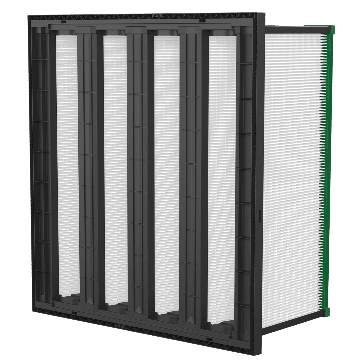
These are high-quality and energy-saving general ventilation filters that help protect workers, processes and products from particulate matter. They are used in HVAC applications as the final filter for comfort applications, prefilters in clean process applications, or exhaust air or recirculation systems to protect air handling units. General ventilation filters come in several designs including bag filters, V-shaped header frame filters and pleated panels. Each has its role in different filter stages in the air supply.
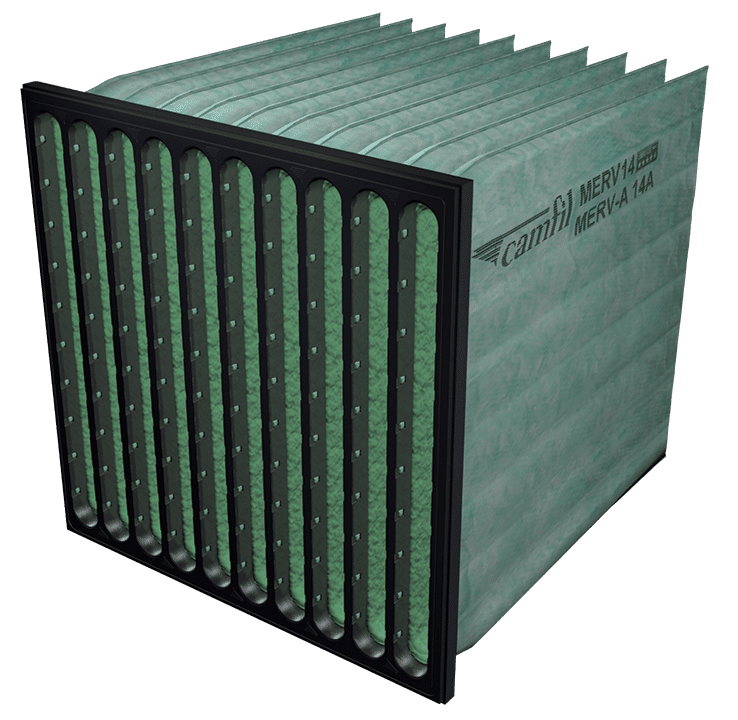
This Camfil Hi-Flo ES bag filter is used in HVAC applications as a high-efficiency filter or as a prefilter in high-efficiency particulate air (HEPA) installations.

High-Temperature Filters

Engineered to protect ultra-clean processes at elevated temperatures, these filters retain their integrity and rated performance at temperatures up to 650 °F (350 °C). They are used in food and beverage operations, as well as in the automotive and pharmaceutical industries, complying with the strict FDA GMP requirements.

High-Efficiency Particulate Air (HEPA) and Ultra-Low Particulate Air (ULPA) Filters

Particles captured by a HEPA ULPA Filter

HEPA and ULPA filters are used in sensitive advanced manufacturing processes to prevent microbiological contamination. These filters are components within air filtration systems or integral components of individual filling and packaging systems, and they work to eliminate microbial contamination in beverage facilities.

Ideal for industries with stringent quality requirements, these filters improve product integrity while minimizing financial risks. There are three major global classification standards for HEPA and ULPA filters. While the test standards differ slightly, the minimum definition of a HEPA filter is generally a filter tested to remove at least 99.97% of particles 0.3-microns or larger, which is about 300 times smaller than a human hair.[6] HEPA filter classification can go as high as 99.995% efficiency. ULPA classification begins where HEPA ends and can go as high as 99.999995% on MPPS, the most penetrating particle size.

Molecular Air Filters
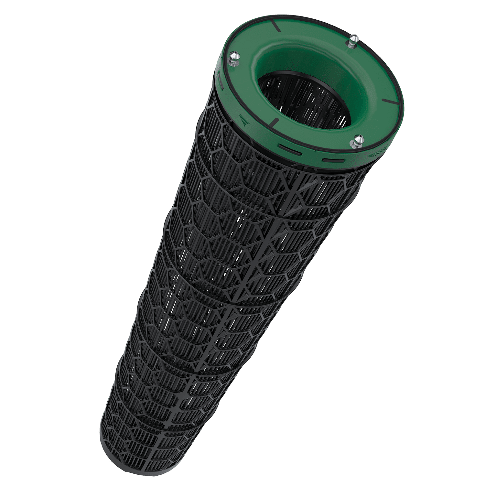
This CamCarb cylindrical molecular filter removes gaseous  contaminants from supply, recirculation and exhaust air applications. The filters can be filled with activated carbon to provide broad-spectrum or impregnated carbon or alumina for targeted adsorption of contaminants such as odors, irritants, and toxic and corrosive gases and vapors.

Airborne VOCs and disinfection product off-gases can pose problems, causing unpleasant odors and adverse health effects such as respiratory illnesses. Besides removing airborne particles, filtration solutions for beverage production environments should also remove these gaseous compounds.

Molecular filters, also known as chemical, carbon or gas-phase filters, eliminate gases and vapors from the air using the process of adsorption. Molecules adhere to or react with adsorbent filter materials with extremely high surface areas.

Molecular air filters use activated carbon for broad-spectrum VOC removal or chemically impregnated carbon or alumina for targeted removal of specific gases. Multiple stages of molecular filters might be necessary to capture different types of gases in the same application.

Selecting the Appropriate Air Filter

Air filters play a crucial role in maintaining clean air across a beverage facility. Here are the suggested filters for various areas.

High-Care Areas

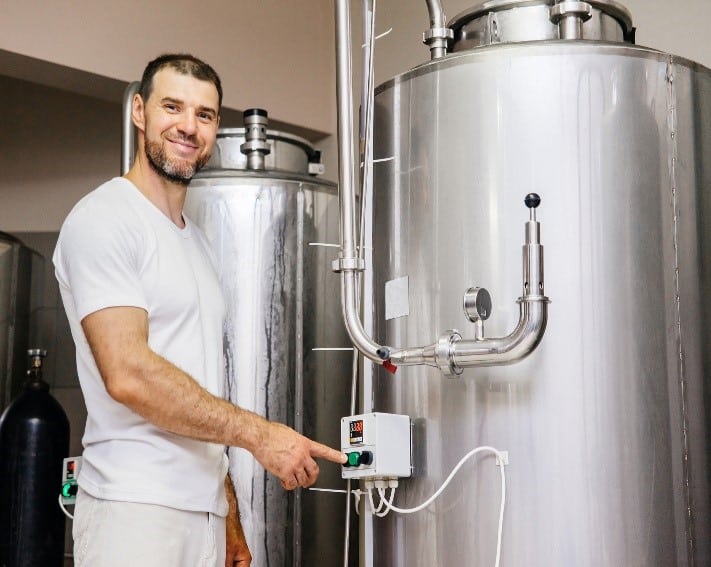
High-care areas need air filters that minimize contamination before it reaches high-hygiene zones, thus protecting equipment. Potential threats in this region may include bacteria, corrosive gases, disinfectants, dust, mold spores, nanoparticles, water droplets and VOCs.
Recommended Air Filters:

  • HEPA and ULPA filters
  • Molecular air filters

Medium-Care Areas

These are usually areas where raw materials are stored, including packaging, warehousing and plant entrances. Potential issues include agricultural contaminants, bacteria, combustion particles, corrosive gases, disinfection and sterilization agents, dust, grease, mold spores, pollen, coarse particles, oil mist and others.

Recommended Air Filters:

  • General ventilation filters
  • HEPA and ULPA filters
  • Molecular air filters

Low-Care Areas

Camfil’s Durafil ES filter is a highly efficient filter available in MERV 11A, 13A, 14A and 16A efficiency ratings.

These areas are outside of production and product handling and prioritize the health of building occupants. Potential issues include offensive

odors, bacteria, allergens, corrosive gases, dust, mold spores, nanoparticles, pollen, viruses, VOCs and water droplets.

Recommended Air Filters:

  • General ventilation filters
  • Molecular air filters

High-Hygiene Areas

During final product processing and packaging, the environment must uphold the highest hygiene levels. Filters should provide the best air

quality by eliminating all contaminants during aseptic filling. Potential concerns include bacteria, combustion particles, mold spores, nanoparticles, coarse particles, pollen and viruses.

Recommended Air Filters

  • HEPA and ULPA filters

This Camfil Absolute VG HEPA  filter provides 99.99% efficiency at 0.3 microns.

The correct specification of an air filtration system can ensure the protection of both processes and personnel in beverage production facilities. The result is improved working conditions and a consistent, high-quality product that elevates the customer experience and enhances brand image.

The air filter choice depends on the specific contaminants of concern and their efficiency in capturing particulate matter or other airborne contaminants over time. Understanding the different types of air filters and MERV ratings is essential to choosing the right filter for a specific air filtration application. As discussed earlier, certain filters are best suited for high-temperature environments or sensitive manufacturing processes, while others are designed to capture airborne particles of specific sizes or various gaseous compounds.

Consulting with an air filtration expert with experience in the beverage industry and knowledge of the latest air filtration technology is the best approach to get an optimum solution. They can conduct an audit of a beverage production facility and outline an air filtration strategy that meets specific requirements.

Investing in air filtration yields dividends in improved personnel health and performance, increased productivity, longer equipment lifespan, reduced waste and downtime, and consistent product output.


[1] Consumer thirst for bottled water is stronger than ever, survey finds, October 11, 2022, International Bottled Water Association, https://www.globenewswire.com/en/news-release/2022/10/11/2531883/0/en/Consumer-thirst-for-bottled-water-is-stronger-than-ever-survey-finds.html.

[2] Bottled Water 2020: Continued Upward Movement U.S. and International Developments and Statistics, JUL/AUG 2021, Bottled Water Reporter, https://bottledwater.org/wp-content/uploads/2021/07/2020BWstats_BMC_pub2021BWR.pdf.

[3] Organic Beverage Market Size & Share Analysis – Growth Trends & Forecasts (2023 – 2028), Mordor Intelligence, https://www.mordorintelligence.com/industry-reports/organic-beverage-market#.

[4] How Ventilation Affects Air Quality at Food Processing Plants, Camfil Air Filters, June 2, 2020, https://cleanair.camfil.us/2020/06/02/ventilation-affects-air-quality-food-processing-plants/.

[5] FDA Regulates the Safety of Bottled Water Beverages Including Flavored Water and Nutrient-Added Water Beverages, September 22, 2018, https://www.fda.gov/food/buy-store-serve-safe-food/fda-regulates-safety-bottled-water-beverages-including-flavored-water-and-nutrient-added-water.

[6] HEPA/ULPA FILTERS, Camfil Air Filters, https://catalog.camfil.us/hepaulpa-filters.html.

The post Air Filtration Boosts Productivity and Employee Health in Beverage Operations appeared first on Air Filters for Clean Air.


from Air Filters for Clean Air

Friday, September 1, 2023

Air Pollution in Chicago Reaches Record Highs This Summer, According to Air Quality Experts

Thirteen Air Pollution Action Days have been issued in Chicago so far in 2023, surpassing the 2012 record of twelve warnings issued that entire year. 

Notably, all of this year’s advisories were issued between May and July, and Chicago’s air quality was the worst in the world at the end of June. Comparatively, there was only one air quality advisory last year, four in 2021, ten in 2020, and zero in 2019. 

Continue reading to learn more about the causes and health effects of the increased pollution in Chicago, and strategies to protect yourself from hazardous pollutants.

Why Is There So Much Pollution in Chicago Right Now? 

There are several factors that are making Chicago’s air quality significantly worse than usual. 

Firstly, smoke carried on the wind from nearly 5000 wildfires burning in Canada has been affecting air quality in Chicago and many other midwestern cities since June. 

Secondly, unusually high temperatures this summer facilitate the formation of ground-level ozone out of other chemicals in the air, such as volatile organic compounds and nitrogen oxides. Sources of chemicals that can react to form ozone include cars, power plants, industrial boilers, refineries, chemical plants, and other pollution sources. 

This effect is further compounded by higher usage of air conditioning in the intense summer heat. Some air conditioning units and systems emit ozone or chemicals that can react with each other to form ozone. 

Learn More: Kansas City Ozone Alert Marks Smoggiest Summer Since 2018

What Kinds of Air Pollution Are Affecting Air Quality in Chicago? 

Wildfire smoke contains a range of gaseous pollutants, such as:

  • ozone
  • sulfur dioxide 
  • nitrogen oxides 
  • carbon monoxide 
  • carbon dioxide
  • volatile organics compounds (VOCs) 

Particulate matter (PM) is another pollutant that can be found in wildfire smoke and linger in the air for days or weeks, depending on the size and chemical composition of the particles. Fine particulate matter (PM2.5) particles have been concerningly high in Chicago this summer; these particles measure under 2.5 micrometers in diameter and pose many health risks to the lungs, heart, brain, and other vital organs due to being small enough to get past the body’s natural defenses against larger particles in the air. 

Related: New Study Highlights Tangible Health and Economic Impacts of Wildfire Smoke Pollution 

Ground-level ozone is a highly reactive molecule that causes tissue damage when inhaled by reacting with the cells of the lungs and respiratory tract. During acute exposure, this causes the muscles of the respiratory system to constrict, trapping air in the alveoli, which makes it more difficult for the lungs to exchange oxygen for carbon dioxide. This restriction results in symptoms such as:

  • Coughing 
  • Sore throats
  • Wheezing
  • Difficulty breathing
  • Pain when breathing deeply
  • Increase susceptibility to infection

Long-term exposure to ozone can result in a lasting reduction in lung capacity as well as reduced immune system function. The effects of ozone on lung health are especially pronounced for the elderly, children, and people with existing respiratory conditions such as asthma and COPD. 

What Should You Do During An Air Quality Warning in Chicago? 

Air quality experts recommend several strategies for keeping your lungs safe during air quality advisories in Chicago:

  • Avoid exercising outdoors. In general, it is best to minimize outdoor time when ambient air pollution reaches unhealthy levels, but outdoor exercise, such as running, cycling, and hiking can make the health effects of air pollution worse because you breathe deeper and more often while exercising. 
  • Minimize use of your car. Driving and related activities such as filling up your gas tank can increase levels of ozone in the air. For this reason, air quality experts and Chicago city officials recommend carpooling, combining errands into one trip, and working from home if possible to minimize use of your car. 
  • Stay indoors in locations with a controlled, filtered air supply if possible. It is important to stay indoors when there are dangerous levels of pollution outdoors, especially when there is visible smog or haze in the air. However, indoor air can be more polluted than outdoor air, and when outdoor air is circulated through a building without being filtered, more pollution is repeatedly introduced into the airstream. 
  • Use factory-tested and certified HEPA and activated carbon filters in your home. To protect yourself from ozone and wildfire smoke in your home, it is important to use air filters to combat both gaseous and particulate pollutants. Factory-tested and certified HEPA filters and highly rated MERV-A filters are effective for removing particulate matter from the air, but cannot target gaseous pollutants such as ozone. Activated carbon filters, on the other hand, are effective against ozone and other gaseous pollutants but cannot capture particulate matter. Because of the limited capacity of most residential HVAC systems, standalone air purifiers such as the CityM by Camfil that use both HEPA and activated carbon filters are often the best option for protecting homes from hazardous pollutants. 
  • Keep an eye on the Air Quality Index to make sure that pollution levels are safe before resuming outdoor exercise and activities. 

About Camfil Clean Air Solutions

For more than half a century, Camfil has been helping people breathe cleaner air. As a leading manufacturer of premium clean air solutions, we provide commercial and industrial systems for air filtration and air pollution control that improve worker and equipment productivity, minimize energy use, and benefit human health and the environment. We firmly believe that the best solutions for our customers are the best solutions for our planet, too. That’s why every step of the way – from design to delivery and across the product life cycle – we consider the impact of what we do on people and on the world around us. Through a fresh approach to problem-solving, innovative design, precise process control, and a strong customer focus we aim to conserve more, use less and find better ways – so we can all breathe easier.

The Camfil Group is headquartered in Stockholm, Sweden, and has 30​ manufacturing sites, six R&D centers, local sales offices in 35+ countries, and about 5,600 employees and growing. We proudly serve and support customers in a wide variety of industries and in communities across the world. To discover how Camfil USA can help you to protect people, processes and the environment, visit us at www.camfil.us/ 

##


Media Contact: 

Lynne Laake 

Camfil USA Air Filters 

T: 888.599.6620 

E: Lynne.Laake@camfil.com

F: Friend Camfil USA on Facebook

T: Follow Camfil USA on Twitter 

Y: Watch Camfil Videos on YouTube

The post Air Pollution in Chicago Reaches Record Highs This Summer, According to Air Quality Experts appeared first on Air Filters for Clean Air.


from Air Filters for Clean Air
Friday, August 25, 2023

How Air Filtration is Ensuring Safety and Quality in Life Sciences

The life sciences sector is instrumental in advancing healthcare quality through the creation of new medicines and tech-advanced medical devices that enhance patient care and outcomes. It is crucial to maintain a clean environment in laboratories, cleanrooms and production areas where new medical devices, vaccines, drugs and other pharmaceutical products are researched and developed. This ensures the protection of critical pharmaceutical processes, equipment, staff and ultimately the final product.  

One key facet of maintaining a clean and healthful environment is ensuring an uncontaminated air supply. According to Food and Drug Administration (FDA) data, contamination was by far the leading cause of medication recalls in the U.S. in 2022 and 2023.1 This statistic highlights the importance of clean air in the life sciences and emphasizes the crucial role of air filtration in preserving the safety and quality of pharmaceutical products.

Most global specialists in the life sciences industry use Camfil HVAC air filtration solutions in cleanrooms, production areas, and laboratories. These solutions help to create and maintain a steady flow of clean air in the process chain. They effectively control contaminants from various sources, addressing air quality issues in different settings, thereby reducing risks for workers and processes, and aiding compliance. Using these products also helps reduce operating expenses by decreasing energy usage and equipment downtime. 

Fundamentals of Air Filtration in Life Sciences Facilities

Air filtration systems are crucial for maintaining facilities that meet high standards of hygiene and air quality. The rooms in the facility are isolated from each other in order to allow for the particle levels in each room to be controlled independently, with no contamination between rooms. Those rooms where cleanliness is critical, since they are closest to where the drugs are manufactured, are referred to as “cleanrooms.” Cleanliness levels are specifically defined by a classification system such as ISO 14644.

In a typical indoor setting, such as an office space, for example, the air might contain over a million particles per cubic foot.2 A typical pharmaceutical cleanroom, by contrast, would allow a maximum of 10,000 particles per cubic foot (ISO 7 classification) or even 100 particles per cubic foot (ISO 5 classification).  

All air entering a cleanroom must be filtered with a HEPA-grade filter immediately prior to entering the cleanroom. Note: A HEPA filter is a particulate air filter and is classified as such under one of three globally recognized test standards: IEST RP-CC001, EN-1822 or ISO29463. This is typically done in ceilings of the cleanroom and is referred to commonly as terminal air filtration. Terminal filters are the last line of filtration, immediately prior to the cleanroom, as shown in the figure below.   

Terminal filters must meet rigorous standards since their quality and performance are critical to the protection of products (pharmaceuticals), people and processes inside the cleanroom. Pharmaceutical manufacturers trust Camfil, more than any other supplier, to manufacture and deliver their terminal HEPA filters.  

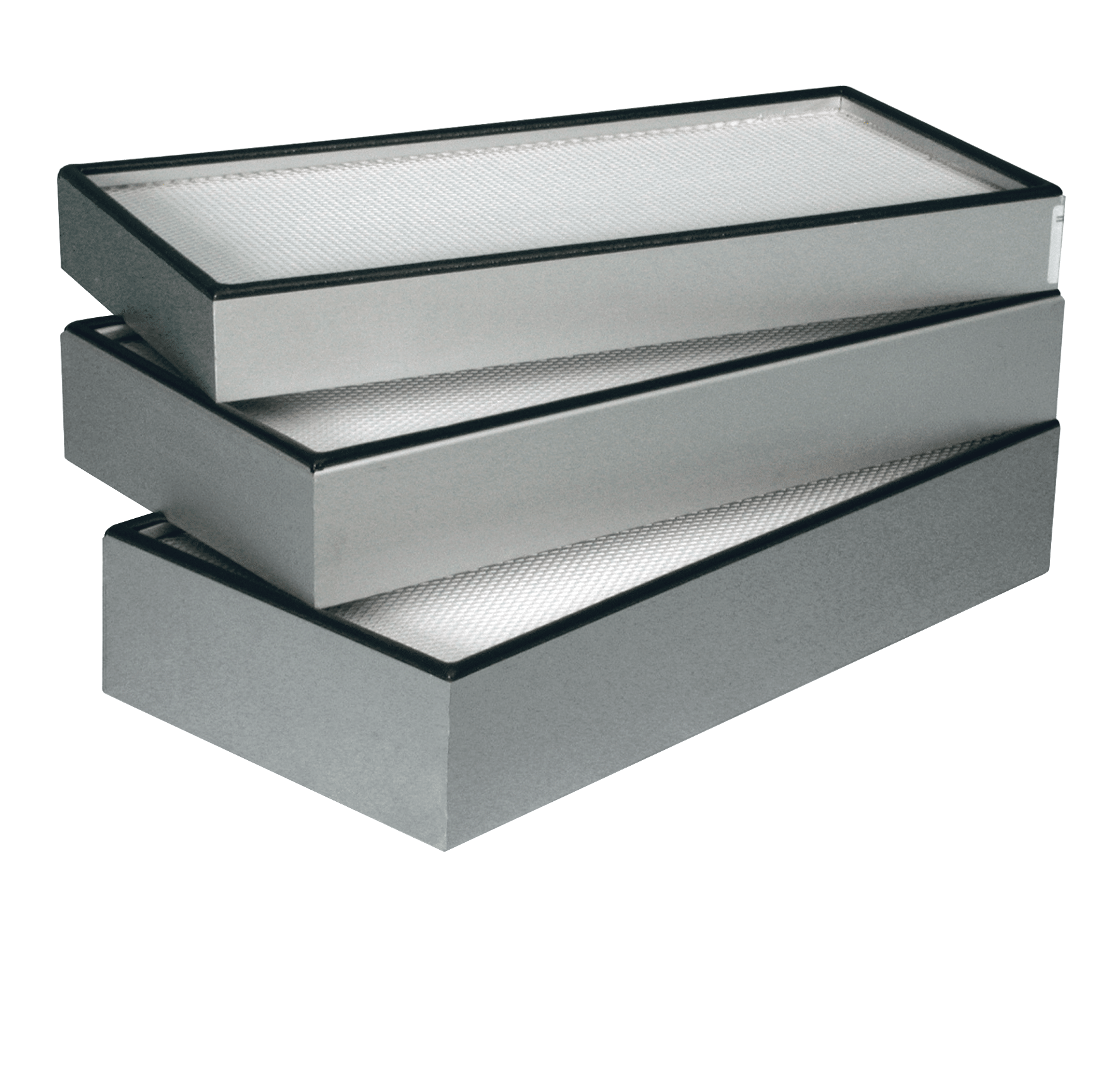
This Camfil Megalam® panel filter is an ideal HEPA/ULPA-level replacement for most cleanroom filters, housings and ceiling modules and grid systems.

Also important are other filter components of the facility’s air filtration system. There are often two or more stages of filtration upstream of terminal filters in the air handling units (AHU). AHU filters are critical to prefilter the air, removing large particles that would otherwise contaminate the HEPA terminal filters prematurely. AHU filters should also be made with minimal resistance to airflow in order to minimize the fan energy consumed by a facility.  

Exhaust filters are typically found near the floor of the cleanroom, filtering the air before it exits the room. The exhaust filters help to direct the flow of air in the room and ensure that potentially harmful substances and organisms are removed from exhausted air. 

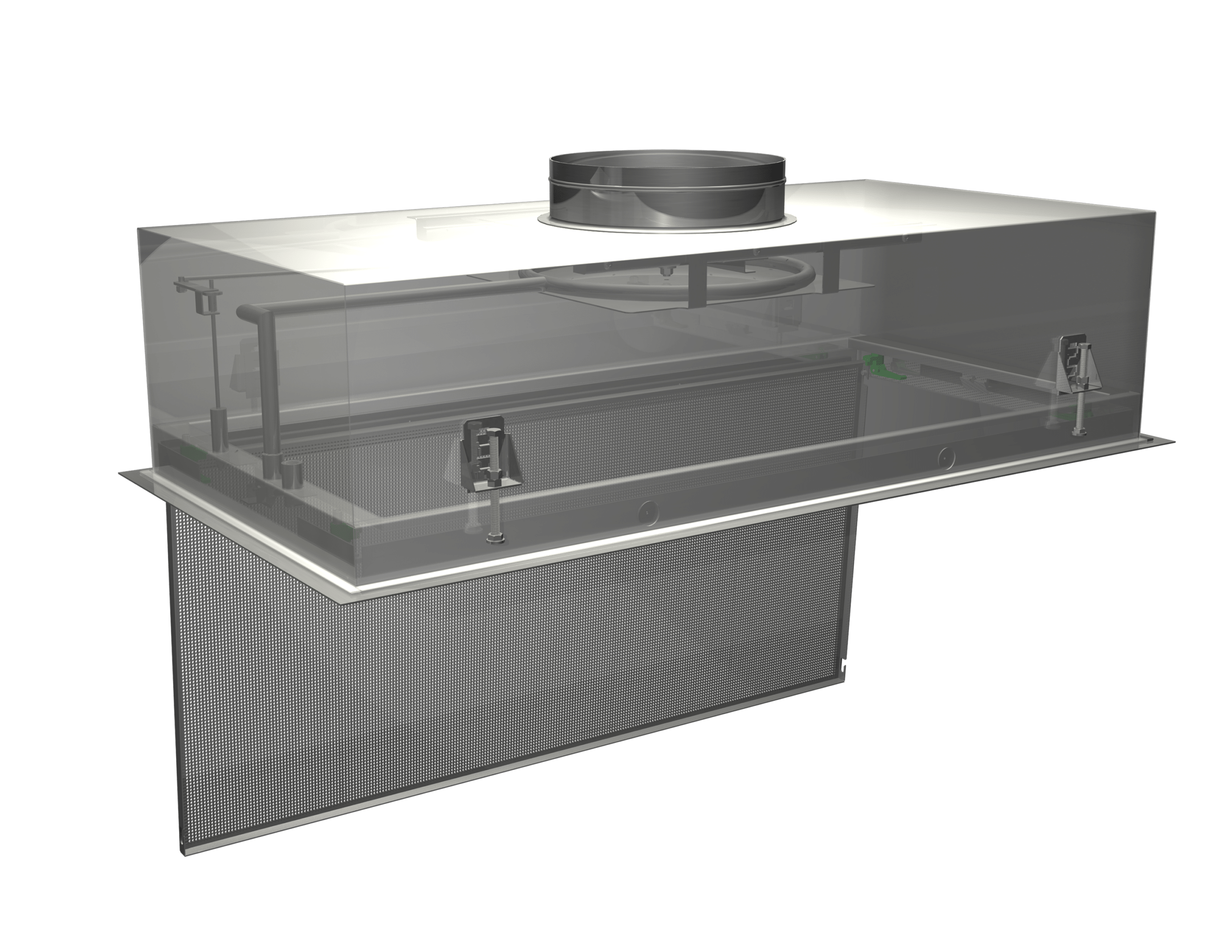
The filters themselves are critical, but the housings that hold the filters are just as critical. Camfil housings are designed to integrate with the facility’s ductwork. They create a leak-free seal in order to ensure air goes through the media of the filter and no foreign material enters the ductwork. Units such as the Camfil PharmaSeal® terminal filter housing (shown below) are offered with customizable product features, as specifically requested by the pharmaceutical industry, such as room-side access for filter changes and filtration efficiency tests.

The Camfil PharmaSeal® terminal filter housing is offered with customizable product features.

Life sciences companies will use other filter technologies and strategies such as source capture devices, dust collectors and molecular (carbon) filters to control airborne contaminants, particulates, dust, odors, gases and pathogens throughout their critical facility areas. When added to existing HVAC systems, suitable filters can safeguard not only individuals, products and processes but also reduce energy usage and ensure compliance with regulatory standards concerning cleanliness levels. By implementing all these strategies, you can reduce the risks posed by airborne contaminants to costly, sensitive equipment, product quality and worker safety.

Different Air Filtration Needs for Different Drug Products and Processes

Pharmaceutical manufacturers often require varying filtration products and methods, depending on their product form and/or specific drug formulation. Some are challenged with the removal of solid dust particles that come from the product they are producing, such as a powder that is pressed into a pill form. Others may be making a liquid drug, supplied in a sterile glass vial, which gets filled inside process equipment on the production floor. Air filtration remains essential in all manufacturing scenarios to uphold a clean environment characterized by superior indoor air quality.

Dust Particle Extraction and OSD Processes

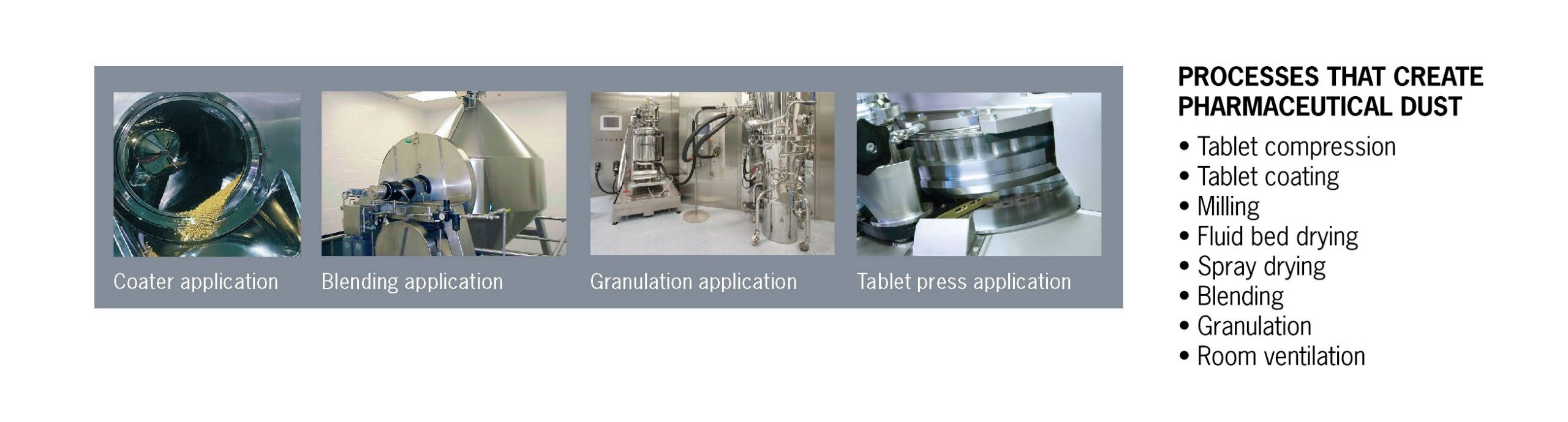
Pharmaceutical processes can generate dust that is potentially hazardous to operations and staff, and in any case will cause process variation if it becomes airborne. Dust collection systems are specifically designed to remove this airborne dust.

During the production and packaging of oral solid dosage (OSD) products like tablets, pills and capsules, dust can be generated from granular ingredients such as powders. Manufacturing and processing active pharmaceutical ingredients (API) often generate very fine, concentrated dust. The presence of very fine pharmaceutical dust is a significant concern because it can threaten worker health as the particles can be inhaled and lodge in the lungs. Furthermore, dust can have explosive properties.

Airborne dust can also cause cross-contamination in pharmaceutical products, interacting with high-potency compounds and APIs, altering their chemistry and quality. In products like injectables, where it is not acceptable to contain any contaminants, dust particles can compromise patient safety.

Pharmaceutical manufacturing environments must adhere to strict air quality specifications outlined by regulations such as ISO 14644-1 and EU GMP Annex 1. Noncompliance can result in hefty fines, product recalls or even facility shutdowns, and any violations can cause significant damage to the brand.

Air filtration in cleanrooms and process dust collection solutions are crucial in ensuring the safety and quality of pharmaceutical manufacturing. They help meet health and safety regulations and enhance throughput by maintaining consistent product quality. As the generic drug market expands, pushing brand drug manufacturers to be more efficient and flexible, filtration systems can help reduce operating costs by lowering energy consumption and equipment downtime.

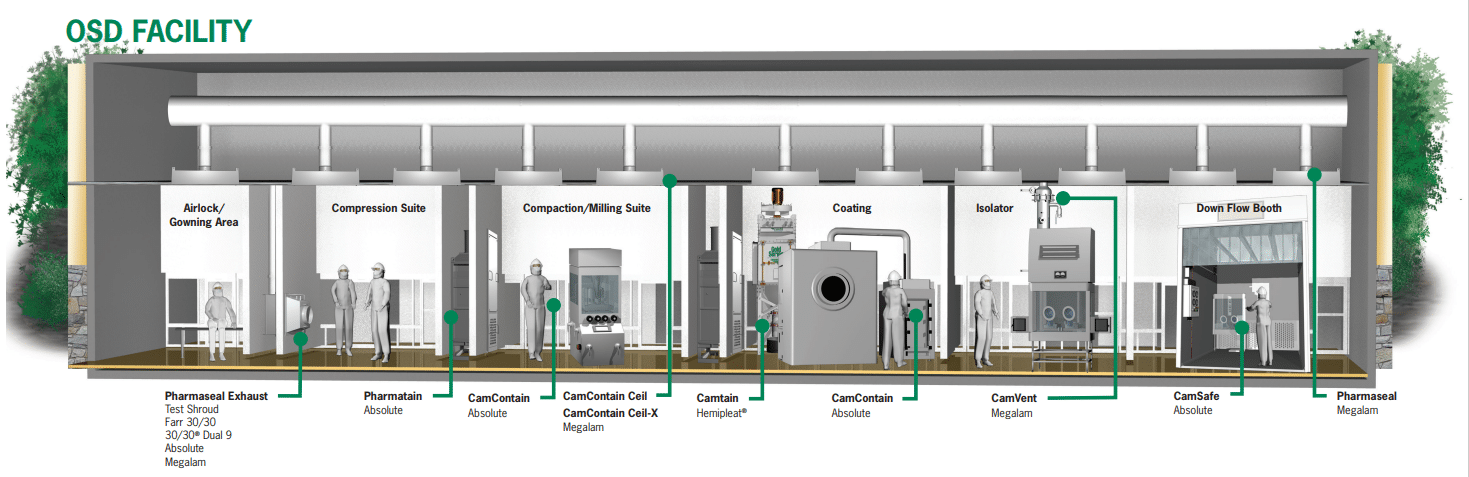
Camfil provides air filtration solutions for pharmaceutical manufacturing that use cutting-edge HEPA (high-efficiency particulate air) filters suitable for different areas within OSD facilities. Commercial air filters are typically less efficient than HEPA filters, which have a minimum particle capture efficiency of 99.97% on 0.3-micron particles.3

In the wake of global concerns over transmissible diseases, HEPA filters have gained even more significance as they can filter out numerous airborne fungal, bacterial and viral pathogens, including the SARS-CoV-2 virus responsible for COVID-19.

Camfil has HEPA (high-efficiency particulate air) filters suitable for these areas within OSD facilities.

Camfil HVAC solutions for pharmaceutical manufacturing include:

Area Solution
Air handling unit (AHU) for incoming/outdoor air or recirculated air High-end prefiltration for minimizing total cost of ownership and protecting critical areas
Milling, blending, formulating, compression suites and coating areas HEPA filters and housing systems for reliable operations: Pharmaseal®, Pharmaslim® (for terminal air supply) and Pharmatain® (for exhaust air)
Isolator areas,

downflow booths

Megalam® HEPA and push-push filters, custom made for OEM, for work environment protection
Conveying and loading areas CamCleaner air purifier for maintaining a clean, safe warehouse
Administrative offices Quality AHU filtration to ensure employee well-being and productivity


Camfil air filters offer many benefits including:

  • Sustaining product quality by protecting processes from contamination and cross-contamination
  • Reduction of product recalls and liability
  • Protecting environments from potentially harmful air exhaust
  • Protecting workers from interacting with potent compounds
  • Compliance with strict regulations and supporting internal quality operating standards
  • Minimizing operation costs with the most efficient and reliable filter, the heart of the filtration system


Aseptic Drug Processing

The manufacturing process for sterile and/or biologic drugs differs from the process for traditional pharmaceutical products, and consequently air filtration needs also vary. These drugs often come in liquid form, eventually being used as eye drops or injectables. Maintaining a clean and sterile environment remains a top priority.

Biological products differ from chemically synthesized drugs in that they consist of proteins, sugars or a mix of living substances such as cells and tissues. Examples of these biological products include gene therapy, tissues, blood components and somatic cells. Biologics are sensitive to heat and prone to contamination, so they must be sterilized using aseptic processing techniques under the strictest ISO 5 (Class 100) room standards.4

In contrast to sterile manufacturing, which applies heat to the end product to eliminate living microorganisms, aseptic pharmaceutical manufacturing ensures that no contamination is present from the creation of the components through to the packaging process. Aseptic processing is particularly useful when drugs cannot endure the heat cycles of terminal sterilization, which sterilizes a product in its final packaging form.5

Air filtration in aseptic manufacturing requires environments be filtered to achieve high air quality that is free from contaminants and bioburden. Camfil offers air filtration solutions for aseptic processing facilities in several different areas of the facility and stages of the process. 

Medical Devices Manufacturing

Manufacturing medical devices also requires stringent cleanliness standards. Cleanrooms must comply with regulations for aseptic or controlled environments. Devices not terminally sterilized are manufactured in an aseptic environment that adheres to ISO 5 cleanroom standards.6 Devices that are terminally sterilized, meaning they are sealed in a package after sterilization, typically require an ISO 7 or 8 cleanroom environment. 

Area Solution
Air handling unit (AHU) for 

incoming outdoor air or recirculated air

High-end prefiltration for minimizing total cost of ownership and protecting critical areas
Cleanrooms, wash and prep Efficient HEPA filters and housing systems for reliable operations– 
Pharmaseal®, Pharmaslim® (for terminal air supply) and Pharmatain® (for exhaust air)
Depyrogenation tunnels and sterile preparation rooms Absolute D-Pyro, the most efficient high-temperature filter on the market
Aseptic filling, mini-environments like restricted access barrier systems (RABS) and isolators  Megalam® HEPA filters and push-push filters for work environment protection, custom made to fit OEM equipment
Packing areas CamCleaner air purifiers for maintaining a clean, safe warehouse


Aseptic sections of the cleanrooms ensure minimal presence of microorganisms from the design to development stages by maintaining the highest possible sterility throughout the facility.

Camfil air filtration solutions for aseptic environments provide:

  • Shielding of products from contamination and cross-contamination, ensuring product quality 
  • Reduction of product rejects and associated liabilities 
  • Prevention of accidental contact of employees with biological matter 
  • Protection of the environment by upholding appropriate biosafety levels 
  • Compliance with stringent environmental and workplace regulations 
  • Cost savings in pharmaceutical manufacturing through energy-efficient filter performance 
  • Easy and safe filter changes, causing minimal disruption to operations and eliminating risk of contamination

Molecular Air Filtration

Pharmaceutical products often use potent flavoring additives and hydrogen disulfide process gases, which can generate strong or unpleasant odors even at low concentrations. Some of these gases can harm a worker’s respiratory system. The smallest molecular pollutants can evade even the most effective HEPA and ULPA particle filters since gas molecules can be at least one thousand times smaller than dust particles.7

Camfil molecular air filters are designed to remove gases and vapors from the air using a technique called adsorption. These filters are sometimes referred to as chemical filters or gas-phase filters. The active ingredient in almost all Camfil molecular filters is either activated carbon or activated alumina.

Camfil offers a range of molecular filters, tailored to various process and application needs (see below). Sometimes, multiple stages of molecular filters are needed to capture different kinds of molecules within the same application. The selection of filters primarily depends on the types and concentrations of gases and the intended lifespan of the system. Many of these filters are used to supplement HVAC systems. 

Camfil Molecular Filter Products

Concentrations Solution
Low concentrations of gases Pleated, embedded media filters: CityPleatCityCarbCitySorb
Moderate concentrations of gases  Thin bed loose-fill media filters: CamCarb CG cylindersPG panels or VG modules 
–Available in GlidePack® housings
–Available in CamCleaner air purifiers and air cleaners
Heavy concentrations of gases Deep bed loose-fill filters: ProCarb deep bed scrubbers


Camfil has the industry experience and knowledge to help pharmaceutical plants maximize worker safety, meet emissions limits, maintain compliance and maximize efficiency and profitability.


Advantages of Camfil Air Filtration Solutions

Camfil aids the life sciences industry by developing high-efficiency air filtration solutions suitable for cleanrooms, production areas and laboratories. These solutions support the cost-effective and sterile production of pharmaceutical and medical products that adhere to international standards. Camfil’s high-efficiency prefiltration, HEPA filters and air filter housings ensure the highest level of purity by protecting sensitive equipment, processes and staff from airborne contaminants.

Camfil air filtration solutions assist pharmaceutical, biologic and medical device companies in meeting standard operating procedures and complying with the strictest regulations. As technology progresses within the life sciences, Camfil ensures dynamic and efficient air filtration for quality assurance.

Without air filters, pharmaceutical companies and device manufacturers would not be able to safely produce medical devices, vaccines, gene therapies, highly potent drugs and other crucial pharmaceutical and science products.

As companies in the life sciences sector seek ways to cut production-related costs, Camfil cleanroom air filtration and dust collection solutions help companies produce high-quality pharmaceutical products that comply with regulations.

The choice of filtration system hinges on the nature and size of airborne contaminants, as well as the process to manufacture the end product. Camfil can provide guidance on specific applications and requirements, whether it involves new drug development or a necessary process upgrade. Simply upgrading to a more efficient air filter can result in cleaner air and reduced energy costs.

#####

1Pharmaceutical Processing World (2023, April) https://www.pharmaceuticalprocessingworld.com/drug-recalls-2022-2023-contamination-sterility-concerns/ 

2Cleanroom Classifications, (2021, May) https://sicweb.com/blog/93-cleanroom-classifications#:~:text=A%20typical%20indoor%20air%20sample%20may%20contain%20anywhere,see%20objects%20less%20than%2050%20microns%20in%20size.

3What is a HEPA filter, United States Environmental Protection Agency, What is a HEPA filter? | US EPA

4Understanding the Basics of Sterile Manufacturing, Renaissance, (2022, August) Understanding the Basics of Sterile Manufacturing – Renaissance (renpharm.com)

5The current state of aseptic processing and fill-finish manufacturing, CRB, https://www.crbgroup.com/insights/pharmaceuticals/aseptic-processing 

6Cleanrooms for Medical Device Manufacturing, Instant Cleanroom Solutions, https://www.cleanroomsolutions.com/industries/medical-device-manufacturing#:~:text=Cleanrooms%20are%20used%20in%20the%20medical%20device%20manufacturing,sterilization%2C%20and%20quality%20control%20testing%20of%20medical%20devices

7Molecular Filters, Camfil HVAC, Molecular filters | Camfil

The post How Air Filtration is Ensuring Safety and Quality in Life Sciences appeared first on Air Filters for Clean Air.


from Air Filters for Clean Air
Sunday, August 20, 2023

Short-Term Air Pollution Exposure Linked to Longer COVID Hospital Stays, According to New Research

A 2023 study published in the European Respiratory Journal has demonstrated a link between air pollution exposure and the length of hospital stays in cases of COVID-19. Continue reading to learn about the results of the recent study from air pollution experts. 

How is Air Quality Related to COVID-19? 

COVID-19 is an airborne pathogen, which means that it is spread through respiratory droplets and aerosols containing virus particles. These respiratory droplets are a form of particulate matter (small particles that remain suspended in the air), which is one of the two categories of air pollution. 

Researchers across the world have already discovered important links between air quality and COVID-19 infections. Earlier studies have shown that air pollution exposure is associated with an increased risk of contracting an illness when in contact with the SARS-CoV-2 virus; in other words, pollution increases the likelihood of actually getting sick with COVID-19 as opposed to an asymptomatic infection. Additionally, early studies of the disease in Europe showed that higher levels of air pollution may increase the pathogen’s ability to spread between hosts. 

Read More: Air Pollution and COVID-19 — Study Shows Exposure to Air Pollution Increases Risk of Getting Sick with  COVID-19 

Ambient Air Pollution Exposure Can Predict Hospitalization Outcomes for COVID-19 Patients 

The European Respiratory Journal study examined 328 patients hospitalized for COVID-19 in Belgium between May 2020 and March 2021. Researchers calculated daily exposure rates to nitrogen dioxide (NOz) and particulate matter (PM2.5) for each patient between 2016 and 2019 based on residential addresses and measured their blood black carbon levels. Long-term exposure to these pollutants was associated with an increased risk of being admitted to an intensive care unit, but even short-term exposure (increases in pollutants a week before hospitalization) led to longer hospitalizations by an average of more than four days. Notably, this was approximately equivalent to the effect of a ten-year increase in age. 

The researchers proposed three potential mechanisms that may explain the effect they found: 

  1. Air pollution exacerbates comorbidities and other respiratory conditions that are associated with poor COVID-19 outcomes. 
  2. Air pollution can modify immune system responses, reducing the body’s capability to defend itself against a COVID-19 infection.
  3. Air pollution may reduce the effectiveness of defense mechanisms in the respiratory system (such as the mucus membranes of the pulmonary tract), resulting in a more severe disease progression. 

After controlling for other potentially confounding factors such as BMI and comorbid conditions, researchers found that this effect was even more pronounced in men than in women. 

Air Purifiers for Reducing Air Pollution Exposure and COVID-19 Spread

Reducing your exposure to airborne pollutants can decrease the risk of severe health complications from COVID-19. Indoor air can be as much as fifty times more polluted than outdoor air.

To effectively protect yourself against harmful pollutants and pathogens indoors, consider adding a portable room air purifier that uses both factory-tested and certified HEPA filters (which trap particulate matter, including black carbon and infected COVID-19 droplets) and activated carbon filters (which remove gaseous pollutants such as ozone, sulfur dioxide, nitrogen dioxide, and volatile organic compounds). Premium air purifiers such as Camfil’s medical-grade City M air purifier provide homes, offices, classrooms, healthcare facilities, and more with the circulation and filtration necessary to improve air quality and can plug into standard electrical outlets for easy installation. 

About Camfil Clean Air Solutions

For more than half a century, Camfil has been helping people breathe cleaner air. As a leading manufacturer of premium clean air solutions, we provide commercial and industrial systems for air filtration and air pollution control that improve worker and equipment productivity, minimize energy use, and benefit human health and the environment. We firmly believe that the best solutions for our customers are the best solutions for our planet, too. That’s why every step of the way – from design to delivery and across the product life cycle – we consider the impact of what we do on people and on the world around us. Through a fresh approach to problem-solving, innovative design, precise process control, and a strong customer focus we aim to conserve more, use less and find better ways – so we can all breathe easier.

The Camfil Group is headquartered in Stockholm, Sweden, and has 30​ manufacturing sites, six R&D centers, local sales offices in 35+ countries, and about 5,600 employees and growing. We proudly serve and support customers in a wide variety of industries and in communities across the world. To discover how Camfil USA can help you to protect people, processes and the environment, visit us at www.camfil.us/ 

##


Media Contact: 

Lynne Laake 

Camfil USA Air Filters 

T: 888.599.6620 

E: Lynne.Laake@camfil.com

F: Friend Camfil USA on Facebook

T: Follow Camfil USA on Twitter 

Y: Watch Camfil Videos on YouTube

L: Follow our LinkedIn Page


Sources: 

https://erj.ersjournals.com/content/early/2023/04/27/13993003.00309-2023

The post Short-Term Air Pollution Exposure Linked to Longer COVID Hospital Stays, According to New Research appeared first on Air Filters for Clean Air.


from Air Filters for Clean Air
Sunday, August 13, 2023

Air Quality Considerations in Schools for the 2023-2024 School Year

With the start of the 2023-2024 school year quickly approaching, it is important for schools to consider their air quality. The indoor air quality (IAQ) in schools has impact on student and staff health, academic performance, and more.

In this article, air quality experts from Camfil explain the importance of clean air in schools and how school districts across the country can achieve better air quality. 

What Are the Main Sources of Air Pollution in Schools? 

There are two main categories of air pollution sources that affect air quality in schools: ambient (or outdoor) pollution that has made its way inside the building, and indoor pollution emitted from activities and materials that occur inside. 

Sources of outdoor air pollution in schools depend on local geographical factors, such as population density, proximity to industrial buildings and farms, vehicle traffic volume, climate and weather patterns, soil composition, and trees and other flora. 

The Environmental Protection Agency (EPA) lists a number of potential indoor sources of air pollution in schools. Sources of particulate matter can include chalk dust, sawdust, debris from food preparation, by-products of combustion, excessive humidity, and occupants with communicable illnesses. 

Many everyday materials and pieces of equipment produce volatile organic compounds (VOCs), many of which have harmful short- and long-term effects on their own, while others react with other chemicals in the air to form yet more dangerous pollutants. Sources of VOCs in schools can include: 

  • Cleaning supplies
  • Printing and copying machines
  • Pesticides
  • Personal care products such as hairspray
  • Art and shop class supplies, such as paint, varnish, wax, and glue
  • Science/laboratory supplies and procedures
  • Cheap furniture and flooring
  • Dry-erase markers

While school facilities management teams can strive to choose materials and equipment that produce less pollution, it is clear from these lists that it is impossible to completely eliminate all pollution sources from schools, as many are instrumental to learning activities or necessary for a hygienic environment. Instead, these pollutants must be removed from the air after emission. Continue reading to learn more about the kinds of air filters and purifiers that are best for clean air in schools. 

Why Is Clean Air Important in Schools? 

Clean Air Helps Students Learn

School districts, administrators, and teachers put intensive time and resources into making sure that their students learn as efficiently as possible. A commonly overlooked factor in the quality of the learning experience in schools is the effects of air pollution on students’ brains. 

Research has shown that poor indoor air quality negatively affects all nine domains of cognitive function essential for learning and completing complex tasks, which are:

  • Basic Activity Level — the overall ability to make decisions.
  • Applied Activity Level — the ability to make decisions oriented to overall goals.
  • Focused Activity Level — the ability to focus on the current task or situation. 
  • Task Orientation — the ability to make decisions that contribute to task completion. 
  • Crisis Response — the ability to plan, strategize, and stay prepared in emergency situations. 
  • Information Seeking — the ability to gather necessary information from a variety of available sources. 
  • Information Usage — the ability to use provided and gathered information to reach goals. 
  • Breadth of Approach — the ability to consider multiple dimensions in decision-making and use a variety of approaches to achieve goals. 
  • Strategy — the ability to optimize information and planning to reach well-integrated solutions. 

A 2016 study showed that better air quality and improved ventilation can double cognitive capacity (101% increase in cognitive test scores). 

Children greatly benefit from having sharp cognitive function, as it plays a crucial role in developing critical thinking skills, absorbing information, and acquiring problem-solving abilities. 

Clean Air Increases Productivity

Not only does clean air aid learning by boosting students’ cognitive capabilities, but it also increases productivity. Another study observed the impact of air quality on productivity by measuring office workers’ productivity rates over two eight-week periods. By removing common indoor air pollutants and increasing ventilation over time, the researchers found that poor indoor air quality can reduce productivity by as much as 10%. 

Air Pollution May Cause Increased School Absences 

Research has linked increases in fine particulate matter (PM 2.5) to increased school absenteeism. A study that took place in Utah found that school absences tend to double the day after a “red air day,” which is when outdoor air quality reaches dangerous levels according to data from the Air Quality Index. 

While red air days are relatively uncommon in most areas of the United States, the researchers also found that even small increases in fine particulate matter lead to a substantial increase in student absences in the days following. This is likely because of the symptoms of illness that short-term exposure to particulate matter can trigger, which include:

  • Coughing and sneezing
  • A sore or scratchy throat 
  • Dizziness
  • Headaches and even severe migraines
  • Difficulty breathing 

Air Pollutants Disrupt Healthy Brain Development 

In addition to its negative short-term effects on the physical and cognitive health of children, it can also disrupt the development of young brains. A 2023 study examined the relationship between pollution exposure and brain connectivity based on the brain scan data of approximately ten thousand nine and ten-year-old children (a key age for brain development). 

Researchers compared initial brain scans to follow-up scans taken two years later and used air quality data from the EPA and other sources to calculate each child’s particulate matter, ozone, and nitrogen dioxide exposure. 

The data analysis (which controlled for other factors such as socioeconomic status that are also possible contributors to brain development) found deviations in brain connectivity between and within important regions of the brain that were linked to exposure to air pollution. Areas of the brain that the study found statistically significant effects on include the prefrontal cortex, the amygdala, and the hippocampus.  Importantly, these effects were present even at levels of pollution that the EPA considers safe.

Air Pollution May Increase Risks of Certain Psychiatric Disorders

According to the American Psychiatric Association (APA), early exposure to air pollution can be a significant risk factor in the development of certain disorders, including depression, schizophrenia, bipolar disorders, and even some personality disorders.

In an APA research review of more than 100 studies on the impact of pollution on mental health, 73% found that exposure to air pollution increased negative mental health symptoms. Most of these studies focused on the three areas of the brain that researchers in the previously discussed brain development study found effects on: the prefrontal cortex, the amygdala, and the hippocampus. 

Research has also found mental health effects on children specifically. Another research review found that children and adolescents are at an increased risk of developing suicidal behaviors and symptoms of depression when exposed to greater levels of air pollution long-term. Additionally, elevated levels of air pollution is linked to an increase in emergency room psychiatric visits among children, indicating that short-term exposure can worsen symptoms of existing mental health conditions. 

Air Pollution Can Lead to Lifelong Health Complications 

Another way that pollution exposure can affect students in the long term is by triggering more severe and more frequent asthma attacks, subsequently leading to the onset of childhood obesity. 

The link between asthma and childhood obesity is well-established; asthmatic children are roughly 50% more likely than their non-asthmatic peers to become obese. This is likely because children learn to avoid the discomfort of asthma-related symptoms by adopting sedentary hobbies and engaging in less outdoor play and exercise. 

Common pollutants found in schools, such as pollen, dust, and volatile organic compounds (VOCs), exacerbate asthma symptoms and trigger severe attacks. Given the prevalence of asthma in over six million American children, ensuring clean air inside schools is essential.

Adequate Air Filtration and Ventilation Prevent the Spread of Communicable Diseases

Many contagious illnesses that commonly affect school children are airborne, which means that they spread via infected respiratory droplets and aerosols suspended in the air. Since respiratory droplets are classified as particulate matter, with most of them falling in the PM2.5 size category, they can be filtered from the air, similar to other particles of similar size. 

Airborne diseases that frequently outbreak in schools include: 

  • COVID-19 and its variants
  • Influenza 
  • RSV
  • The common cold 
  • Chickenpox
  • Whooping cough

Other less common but more severe diseases such as tuberculosis and measles are also spread exclusively by airborne transmission. 

What Air Filters Are the Best for Schools? 

Indoor pollution sources alone produce both gaseous pollutants (including VOCs) and particulate matter, which means that optimizing air quality in schools will involve using both activated carbon filters and mechanical filters (ideally HEPA filters or MERV-A-rated filters). 

School facilities managers should consider the following factors when selecting air filters:

  • What are the main pollution sources in my school and can any be reduced from the source? 
  • What is the maximum filter depth  the building’s HVAC capable of housing? 
  • What is the budget for the initial price and for ongoing costs such as maintenance, energy, and filter replacement? 
  • How often can we realistically perform maintenance without disrupting students’ learning environment? 

Filters that may be considered in combination with each other include: 

  • Camfil’s Dual 9 – a MERV 9/9A panel filter for particulate matter that is available in one-inch, two-inch and four-inch versions , has a five-star rating on the Energy Cost Index, and is guaranteed to last twelve months in commercial applications. 
  • Camfil’s AQ13 – a high-capacity MERV 13 pleated air filter that is compatible with existing air handling units, delivers an exceptionally long service life (twice as long as other MERV 13 pleated panel filters) and meets MERV 13 requirements while lowering operational cost 
  • Camfil’s CityPleat– a combination filter that targets gaseous pollutants and particulate matter with a filter depth of two or four  inches, making it ideal for a range of commercial and residential applications. 
  • Camfil’s City M– a premium air purifier that uses factory-tested and certified medical-grade HEPA filters in addition to an activated carbon filter. The City M can also help increase air circulation and air changes per hour in classrooms by moving 250 cubic feet of air through its filters per hour without making disruptive white noise and requires no specialized equipment or labor to install. 

Consult an air quality expert for help determining which filters are right for your school. 

About Camfil Clean Air Solutions

For more than half a century, Camfil has been helping people breathe cleaner air. As a leading manufacturer of premium clean air solutions, we provide commercial and industrial systems for air filtration and air pollution control that improve worker and equipment productivity, minimize energy use, and benefit human health and the environment. We firmly believe that the best solutions for our customers are the best solutions for our planet, too. That’s why every step of the way – from design to delivery and across the product life cycle – we consider the impact of what we do on people and on the world around us. Through a fresh approach to problem-solving, innovative design, precise process control, and a strong customer focus we aim to conserve more, use less and find better ways – so we can all breathe easier.

The Camfil Group is headquartered in Stockholm, Sweden, and has 30​ manufacturing sites, six R&D centers, local sales offices in 35+ countries, and about 5,600 employees and growing. We proudly serve and support customers in a wide variety of industries and in communities across the world. To discover how Camfil USA can help you to protect people, processes and the environment, visit us at www.camfil.us/ 

##


Media Contact: 

Lynne Laake 

Camfil USA Air Filters 

T: 888.599.6620 

E: Lynne.Laake@camfil.com

F: Friend Camfil USA on Facebook

T: Follow Camfil USA on Twitter 

Y: Watch Camfil Videos on YouTube

L: Follow our LinkedIn Page 

The post Air Quality Considerations in Schools for the 2023-2024 School Year appeared first on Air Filters for Clean Air.


from Air Filters for Clean Air
Thursday, August 3, 2023

“Safe” Levels of Air Pollution Negatively Affect Brain Development and Function, According to 2023 Studies

Following the Clean Air Act in 1970, the EPA has been required to set and regularly review air pollution standards indicating what levels of six hazardous pollutants humans and the environment can safely be exposed to. The National Ambient Air Quality Standards (NAAQS) are based on established scientific research and inform legislation at all levels. 

However, two recent studies have found that exposure to levels of pollution within the EPA’s “safe” standards may be linked to negative effects on the structure and function of the brain. Continue reading to learn about these studies and their implications. 

What Levels of Air Pollution Are Considered Safe by the EPA? 

The six pollutants targeted by the Clean Air Act are carbon monoxide (CO), lead (Pb), nitrogen dioxide (NO2), ozone (O3), particulate matter (PM), and sulfur dioxide (SO2). These pollutants are both notably harmful to humans and the environment and are common across the United States. 

The NAAQS defines primary standards, which indicate the concentrations of each pollutant that are harmful to human health (particularly the health of people with existing respiratory conditions, children, and the elderly), as well as secondary standards, which indicate pollution levels that affect other important factors such as visibility, damage to livestock, crops, and ecosystems, and building corrosion. 

The primary standards are as follows: 

Carbon monoxide: 

  • 9 ppm (parts per million), 8-hour average 
  • 35 ppm, 1-hour average 

Lead: 

  • 0.15 μg/m3 (0.15 microgram/millionth of a gram per cubic meter of air),3 month average 

Nitrogen dioxide:

  • 100 ppb (parts per billion), one-hour average
  • 53 ppb, annual mean

Ozone: 

  • 70 ppb, 8-hour average

PM2.5 (particulate matter with a diameter of 2.5 micrometers or less):

  • 12 μg/m3, annual mean
  • 35 μg/m3, 24-hour average

PM10 ( (particulate matter with a diameter of 10 micrometers or less):

  • 150 μg/m3, 24-hour average

Sulfur dioxide: 

  • 75 ppb, 1-hour average

Study: Safe Levels of Air Pollution Harm Children’s Brain Development

A 2023 study published in the peer-reviewed journal Environment International by researchers from the Keck School of Medicine at the University of Southern California used brain scan data from the Adolescent Brain Cognitive Development (ABCD) study to examine the relationship between brain connectivity and pollution exposure. 

Using EPA and other air quality data, the researchers calculated the levels of ozone, nitrogen dioxide, and particulate matter that each of the 9497 children were exposed to. Brain scans taken at age nine or ten were compared to follow-up scans from two years later. 

After controlling for other factors such as socioeconomic status that may affect brain development, researchers found that brain connectivity in several regions of the brain was affected by exposure to more pollution; this effect was present even at levels of pollution considered safe by the EPA. 

Nitrogen dioxide exposure was associated with a decrease in connectedness between brain regions, while PM2.5  was associated with increased connectivity. Ozone was associated with increased connectivity within the cortex (the outermost layer of the brain, which is responsible for high-level executive functions, such as memory, problem-solving, impulse control, and perception of sensory data), but exposure to ozone was also associated with decreased connectivity between the cortex and other regions of the brain such as the hippocampus (associated mainly with memory; damaged to the hippocampus is present in a range of psychiatric disorders) and the amygdala (associated with emotions). 

It is important to remember that greater brain connectivity is not always better, especially in pre-adolescent children, because any deviation from normal development at this critical stage of brain growth can have lifelong consequences. 

Study: Brief Air Pollution Exposure Has Immediate Negative Impacts on the Brain 

Another study, published in the peer-reviewed journal Environmental Health, found instant effects of pollution exposure on the brains of healthy adults. Researchers from the University of British Columbia and the University of Victoria exposed 25 healthy participants in double-blind conditions to levels of diesel pollution commonly found in areas with heavy traffic, and to clean, filtered air at separate times.

Brain activity was measured using fMRI (functional magnetic resonance imaging) scans before and after each two hour exposure, with two weeks between each trial. The fMRI scans showed a decrease in functional connectivity in regions of the brain known as the default mode network, which is most active during passive, internal tasks such as recalling and thinking about the future. 

Altered function in the default mode network has been linked to reductions in cognitive abilities and symptoms of depression. These findings highlight that it’s not just the smoggy, hazy days following events such as wildfires and train derailments that we should be concerned about; short-term air pollution exposure at levels encountered every day by many people can have significant health and cognitive effects. 

Indoor Air Purifiers Reduce Pollution Exposure

Reducing levels of harmful pollutants in outdoor air is a long-term effort, and, particularly for those living in urban and industrial areas, avoiding ambient exposure to pollution is not possible. 

However, with the average American spending at least 90% of their time indoors, ensuring that homes, offices, schools, and other buildings are protected from pollutants can help minimize the volume of pollutants inhaled. 

To effectively protect yourself against harmful pollutants, use a premium air filter that uses both factory-tested and certified HEPA filters (which trap particulate matter) and activated carbon filters (which remove gaseous pollutants such as ozone, sulfur dioxide,, and nitrogen dioxide). 

Learn more: Camfil’s Medical-Grade City M Air Purifier

About Camfil Clean Air Solutions

For more than half a century, Camfil has been helping people breathe cleaner air. As a leading manufacturer of premium clean air solutions, we provide commercial and industrial systems for air filtration and air pollution control that improve worker and equipment productivity, minimize energy use, and benefit human health and the environment. We firmly believe that the best solutions for our customers are the best solutions for our planet, too. That’s why every step of the way – from design to delivery and across the product life cycle – we consider the impact of what we do on people and on the world around us. Through a fresh approach to problem-solving, innovative design, precise process control, and a strong customer focus we aim to conserve more, use less and find better ways – so we can all breathe easier.

The Camfil Group is headquartered in Stockholm, Sweden, and has 30​ manufacturing sites, six R&D centers, local sales offices in 35+ countries, and about 5,600 employees and growing. We proudly serve and support customers in a wide variety of industries and in communities across the world. To discover how Camfil USA can help you to protect people, processes and the environment, visit us at www.camfil.us/ 

##


Media Contact: 

Lynne Laake 

Camfil USA Air Filters 

T: 888.599.6620 

E: Lynne.Laake@camfil.com

F: Friend Camfil USA on Facebook

T: Follow Camfil USA on Twitter 

Y: Watch Camfil Videos on YouTube

L: Follow our LinkedIn Page

Sources:

https://www.epa.gov/criteria-air-pollutants/naaqs-table

https://www.sciencedirect.com/science/article/pii/S016041202300274X

The post “Safe” Levels of Air Pollution Negatively Affect Brain Development and Function, According to 2023 Studies appeared first on Air Filters for Clean Air.


from Air Filters for Clean Air