Monday, November 20, 2023

Can Air Pollution Cause Migraines? Indoor Air Quality Experts Weigh In

Migraines are a form of severe headache, often accompanied by nausea, dizziness, and heightened sensitivities to light, sound, and other sensory input. Recent research has shown that migraines can be triggered and made worse by exposure to certain air pollutants. In this article, air quality experts from Camfil explain how air pollution affects migraine sufferers and what you can do to prevent severe migraine episodes from occurring. 

What Causes Migraines? 

Migraines are a complex condition that can vary widely in duration, intensity, and the kinds of symptoms experienced from person to person. A migraine episode often includes an intense headache, lasting between four and seventy-two hours, accompanied by a combination of the following symptoms:

  • Nausea and vomiting
  • Dizziness
  • Sensory sensitivity
  • An “aura,” or visual problems such as light flashes, blindspots, or hazy vision
  • Confusion and difficulty speaking
  • Tingling, numbness, or weakness in one side of the face or body 

The etiology of migraine headaches is unknown, but migraines are believed to be associated with changes in brain pathways and neurotransmitters that are responsible for regulating pain, such as serotonin. The onset of a migraine headache is triggered by a neurovascular event called cortical spreading depression. This event activates the cranial nerves that regulate cerebral blood flow, causing the onset of a migraine. 

Additionally, slight changes in barometric pressure can result in the dilation of cerebral blood vessels and an increase in serotonin release from platelets. As a result, this can lead to vasoconstriction induced by serotonin and the onset of migraine with aura. Subsequently, a decrease in blood serotonin levels causes rapid expansion of cerebral blood vessels, resulting in the onset of a migraine.

 Triggers for migraines vary between individuals, but may include:

  • Certain strong odors 
  • Bright lights
  • Sudden weather changes
  • Sleep changes
  • Excessive stress
  • Alcohol consumption
  • Excessive caffeine 

Recent evidence also points to certain air pollutants both as triggers for migraine onset and as factors responsible for making migraine episodes worse. 

Can Air Pollution Cause a Migraine? 

There is increasing evidence that links air pollution exposure to migraines. Certain common air pollutants, such as nitrogen dioxide, sulfur dioxide, and particulate matter, as well as airborne lead particles, have been found to be linked to the intensity, frequency, and duration of migraine episodes. 

Of the pollutants that researchers have linked to migraines, nitrogen dioxide and particulate matter have the largest and most statistically significant (i.e. least likely to be attributable to random chance) effects. Scientists posit that because PM2.5 activates the sympathetic nervous system, which regulates the heart, pollution exposure can trigger alterations in blood flow to the brain that lead to migraines. Particulate matter can be removed from the air with a  tested and certified actual HEPA filter or premium (MERV-A rated) mechanical filter.

Exposure to ozone and carbon monoxide, which are both common products of traffic pollution, is known to be migraine-inducing, particularly in cold climates. Research has also shown a correlation between increased relative humidity and a higher risk of migraine headache onset, specifically in warm climates.

Overall, the presence of air pollution in both ambient and indoor air is a significant trigger for migraine headaches, especially in combination with rapidly shifting weather conditions. 

How An Air Purifier Can Reduce Migraine Frequency, Intensity, and Duration

In addition to harmful pollutants and poor air quality conditions leading to migraines, as explained above, the presence of strong smells in the air is a known trigger for migraine episodes for many migraine sufferers. 

A 2023 study published in the peer-reviewed journal Scientific Reports showed that the most common odor associated with migraine onset was perfume, with 55.4% of study participants citing it as a trigger. Other smells likely to trigger migraines were tobacco (47.5%), fabric softener (32.7%), body odor (32.7%), garbage (24.8%), hairdressing products (22.8%), cars (22.8%), and sweat (19.8%). Some of these everyday smells are often unavoidable in indoor spaces such as homes, schools, and offices, and can cause debilitating symptoms for people who experience migraines. Activated carbon can remove many odors from the air in indoor spaces, thus removing some of the potential for migraine onset to occur.

By using an air purifier that uses both an activated carbon filter and a factory-tested and certified actual  HEPA filter, people who struggle with chronic and acute migraine episodes can combat odors that trigger migraine headaches as well as harmful air pollutants that make migraines worse. 

Read more about air purifiers for combating migraines here.

About Camfil Clean Air Solutions

For more than half a century, Camfil has been helping people breathe cleaner air. As a leading manufacturer of premium clean air solutions, we provide commercial and industrial systems for air filtration and air pollution control that improve worker and equipment productivity, minimize energy use, and benefit human health and the environment. We firmly believe that the best solutions for our customers are the best solutions for our planet, too. That’s why every step of the way – from design to delivery and across the product life cycle – we consider the impact of what we do on people and on the world around us. Through a fresh approach to problem-solving, innovative design, precise process control, and a strong customer focus we aim to conserve more, use less and find better ways – so we can all breathe easier.

The Camfil Group is headquartered in Stockholm, Sweden, and has 30​ manufacturing sites, six R&D centers, local sales offices in 35+ countries, and about 5,600 employees and growing. We proudly serve and support customers in a wide variety of industries and in communities across the world. To discover how Camfil USA can help you to protect people, processes and the environment, visit us at www.camfil.us/ 


##

Media Contact: 

Lynne Laake 

Camfil USA Air Filters 

T: 888.599.6620 

E: Lynne.Laake@camfil.com

F: Friend Camfil USA on Facebook

T: Follow Camfil USA on Twitter 

Y: Watch Camfil Videos on YouTube

L: Follow our LinkedIn Page


Sources:

https://www.ncbi.nlm.nih.gov/pubmed/31446321 

https://www.ncbi.nlm.nih.gov/pmc/articles/PMC2677474/#r34-6362 

https://www.nature.com/articles/s41598-023-35211-7 

The post Can Air Pollution Cause Migraines? Indoor Air Quality Experts Weigh In appeared first on Air Filters for Clean Air.


from Air Filters for Clean Air

How Air Purifiers Can Reduce the Risk of Airborne Illnesses this Flu Season

As temperatures start to drop across the United States and people gather indoors more often, influenza and other respiratory illnesses will begin to make the rounds. Continue reading to learn more about how air purifiers can be used to prevent the spread of the flu, the common cold, COVID-19, and other airborne illnesses this winter. 

Why Do More People Get Sick in the Winter? 

Increased respiratory and other infections during the fall and winter have been attributed to various factors, as suggested by health experts. These factors include:

  • Many pathogens are more effective at multiplying in lower temperatures. 
  • During cold weather, people tend to gather indoors in both large and small groups, often for extended periods. Respiratory illnesses are less likely to spread outside due to better air circulation and less physical closeness between people compared to indoor spaces. 
  • During winter, our immune systems tend to be less effective. As our bodies prioritize vital functions like regulating internal temperature, less urgent functions such as the immune system take a backseat. This leaves us more susceptible to viruses and bacteria when exposed to them.

Read More:  Why Do We Get Sick More In Cooler Months

Common Airborne Illnesses

It is important to be aware of some of the most common airborne illnesses so that you can take the appropriate strategies to prevent specific illnesses as infection rates rise in your area. Common and highly infectious airborne illnesses include:

  • COVID-19
  • Influenza (the flu)
  • Most strains of the common cold
  • Respiratory syncytial virus (RSV) 
  • Strep throat
  • Chickenpox 

Other serious, often deadly, illnesses, such as measles, mumps, rubella, and tuberculosis, are also transmitted primarily through airborne routes. However, it is important to note that the preventative strategies shared in this article are only effective against airborne illnesses, and other strategies must be implemented against pathogens that spread primarily through direct contact. 

How do Illnesses Spread through the Air?

When we breathe, microscopic droplets of fluid are released into the air with every exhale, which linger in the air for varying periods of time depending on the size of the particle. This also happens when we cough and sneeze, or talk and laugh. When someone is carrying a pathogen—which does not always cause them to exhibit symptoms of illness—these respiratory droplets contain virus or bacteria particles. When others inhale infected droplets and become infected themselves, this is known as airborne transmission. There are two types of airborne transmission: droplet and aerosol transmission. 

Droplet transmission occurs when an infected person is in close contact with others, who directly inhale their infected respiratory droplets.  

Aerosol transmission occurs when smaller droplets (which remain suspended in the air for longer periods of time due to their lightweight—speech aerosols can remain suspended in stagnant air for as long as nine hours) are dispersed away from the infected individual, carrying the virus to be inhaled by others for hours.  

Respiratory droplets are classified as particulate matter, which means that they can be removed from the air (thus preventing infection) using the same air filtration technology that targets dust, pollen, black carbon, and other particle pollutants.

Air Filtration Experts’ Tips for Preventing Airborne Illness Infections this Winter

Wash your hands regularly. To prevent the spread of pathogens picked up from surfaces, make sure to wash your hands frequently and thoroughly, especially before eating or doing anything that requires touching your face, and after handling objects that others regularly handle. Don’t forget to post signs reminding employees, guests, and building tenants to do the same. Stay safe and keep those hands clean!

Keep surfaces clean. Keep surfaces pathogen-free by regularly disinfecting them, particularly in shared spaces, to eliminate any lingering germs and infectious droplets. For offices, gyms, and other public or shared spaces, provide tenants and guests with disinfectant wipes and sprays so that they can easily clean surfaces and equipment immediately after use. 

Cough and sneeze into your elbow. Coughing and sneezing is unavoidable, even if you aren’t sick. In contrast to coughing and sneezing into your hands—which covers less of your face, allows droplets to slip through your fingers, and increases the risk of transmitting pathogens to surfaces and objects—using the inside of your elbow reduces the amount of droplets that are released into the air (although it doesn’t entirely eliminate the risk) and is the official recommendation of the CDC to reduce pathogen spread. 

Isolate when sick. Although it may not always be possible to miss work or school or otherwise limit your exposure to other people when you are sick, the CDC recommends self-isolation when you are infected with COVID-19 to avoid exposing others to the infection. This is also an effective strategy to prevent the spread of other illnesses. 

Consider masking. Even though it’s no longer required in most places in the United States, wearing a properly fitted N95 mask is still a good option for preventing the spread of airborne illnesses. This isn’t limited to just COVID-19 — masks are an effective preventative measure against any airborne illness. While it may not be practical to wear a mask all the time, scientists recommend masking when you are experiencing minor symptoms of respiratory illness (such as coughing, increased sneezing, a runny or stuffy nose, or a sore throat), or if you know you have been exposed to someone with COVID-19, the flu, or other airborne illnesses. 

Increase ventilation and air circulation. Research has demonstrated that poor ventilation is instrumental to the spread of COVID-19 and other airborne illnesses. By increasing the amount of air that is moved through an indoor space, concentrations of infected particles are reduced, which decreases the chance of infection. One simple way to increase ventilation is by opening windows, but this becomes increasingly less appealing as the weather gets colder. Using your HVAC system’s heating function, if available (as opposed to other heating methods such as baseboard heaters and radiators that just heat the air around them) helps to increase circulation because it moves warm air into the room. 

Install an air purifier. Ventilation is important, but repeatedly recirculating air without cleaning it can cause pathogens to be spread around further, entering rooms that haven’t even been occupied by infected individuals. This is a notable concern for offices and other commercial buildings, because many tenants that never make face-to-face contact with each other may share an air supply. If your HVAC system isn’t equipped to handle high-efficiency filters, which many  commercial and almost all residential systems aren’t, consider using standalone air purifiers to effectively eliminate droplets and other harmful particles from the air.

How Do Air Purifiers Help Prevent Flu?

Air purifiers can help prevent the spread of the flu in two main ways:

  1. By increasing ventilation. Poor ventilation allows infected particles and other contaminants to build up in indoor air, leading to an increased likelihood of inhabitants inhaling an infected respiratory droplet or nuclei and contracting an infection themselves. 
  2. By removing contaminants from the air. Simply recirculating indoor air through a building’s HVAC system to increase ventilation may not adequately protect its inhabitants from pathogens because the system’s air filters are not likely to have a high enough capture efficiency, ie. MERV value. The air must be filtered to remove infected respiratory droplets. An actual HEPA filter, one that has been tested and certified as such, is rated to remove 99.995% of the smallest particles in the air, including viruses. 

Premium air purifiers operate independently of a building’s HVAC system and plug into standard electrical outlets, meaning that no specialized equipment, building specifications, or installation methods are required to reap the benefits of clean air. 

The City M Air Purifier by Camfil is a medical-grade air purifier that effectively removes pathogens, dust, contaminants, and allergens from the air using factory-tested and certified HEPA filters. In addition to a HEPA filter, which addresses airborne respiratory droplets responsible for spreading winter illnesses, the City M uses an activated carbon filter to target gaseous pollutants such as irritating odors and volatile organic chemicals. The City M is able to deliver over 250 cubic feet of clean air per minute while producing minimal noise and consuming 50% less energy than comparable purifiers of a similar size, making it ideal for bedrooms, homes, offices, schools, public meeting spaces, and more. 

Find out more about the City M here. 

About Camfil Clean Air Solutions

For more than half a century, Camfil has been helping people breathe cleaner air. As a leading manufacturer of premium clean air solutions, we provide commercial and industrial systems for air filtration and air pollution control that improve worker and equipment productivity, minimize energy use, and benefit human health and the environment. We firmly believe that the best solutions for our customers are the best solutions for our planet, too. That’s why every step of the way – from design to delivery and across the product life cycle – we consider the impact of what we do on people and on the world around us. Through a fresh approach to problem-solving, innovative design, precise process control, and a strong customer focus we aim to conserve more, use less and find better ways – so we can all breathe easier.

The Camfil Group is headquartered in Stockholm, Sweden, and has 31​ manufacturing sites, six R&D centers, local sales offices in 35+ countries, and about 5,200 employees and growing. We proudly serve and support customers in a wide variety of industries and in communities across the world. To discover how Camfil USA can help you to protect people, processes and the environment, visit us at www.camfil.us/ 


##

Media Contact: 

Lynne Laake 

Camfil USA Air Filters 

T: 888.599.6620 

E: Lynne.Laake@camfil.com

F: Friend Camfil USA on Facebook

T: Follow Camfil USA on Twitter 

Y: Watch Camfil Videos on YouTube

L: Follow our LinkedIn Page

Sources:

  1. https://www.cdc.gov/flu/about/index.html 
  2. https://news.mit.edu/2011/stop-the-flu-1207 
  3. https://www.ncbi.nlm.nih.gov/pmc/articles/PMC8349476/

The post How Air Purifiers Can Reduce the Risk of Airborne Illnesses this Flu Season appeared first on Air Filters for Clean Air.


from Air Filters for Clean Air
Friday, November 10, 2023

Comprehensive Guide to Dairy Processing Air Quality Management

Dairy processing involves highly complex steps and stages that lead to the creation of safe, consumer-ready products such as milk and milk powders, cheese, yogurt, ice cream, butter, whey protein, and infant formula. This process and these products are highly susceptible to contamination, which can create serious regulatory risks, legal risks, and health risks that can have a long-term impact on the reputation of the dairy brand. 

By implementing a modern, robust air quality management solution, dairy processing companies can dramatically reduce the likelihood of contamination. Let’s take a closer look at dairy processing, the challenges and risks involved, why air quality management is important to every dairy processing facility, and key considerations when upgrading an air quality system. 

Dairy Processing:  A Deep Dive

Dairy processing is comprised of techniques and technology used to receive raw milk, transform it into a finished product, and store and package the product for sale in stores. Given the high risk of contamination, dairy processing facilities must adhere to strict regulations and meet high standards for air purity.

The importance of dairy processing is hardly new. In fact, the history of dairy processing goes back thousands of years to early civilizations when humans first began to domesticate animals. Although cows, goats, sheep, and other animals were first kept for meat and skin, humans soon discovered their milk and likely preserved milk through fermentation.

Innovations during and after the Industrial Revolution, such as pasteurization, mechanical processing equipment, and refrigeration, dramatically improved the efficiency and hygiene of dairy processing. In the late 19th and 20th centuries, standards were introduced for dairy processing and mass production of dairy products. Automation, robotics, and new types of packaging would continue to improve safety, operational efficiency, and product consistency.

Progress in dairy processing has had a significant impact on the global economy as the dairy market was valued at $893 billion U.S. in 2021. Millions of people around the world work in the dairy industry, which plays a major role in global health, nutrition, and child development, as well as humanitarian efforts to fight hunger.

The Role of Air Quality in Dairy Processing

Even in ancient times, dairy processors recognized the need for clean air by simply opening windows and doors. Mechanical ventilation solutions were introduced during the Industrial Revolution, while sanitary practices and air quality management became more advanced in the 20th century. For example, high-efficiency particulate air (HEPA) filters were gradually introduced to industrial and commercial concerns  after World War II.

While air quality is essential to product quality throughout the food and beverage industry, this is especially true in dairy processing. Airborne contaminants in processing and storage can reduce shelf life and lead to spoilage and potentially dangerous health risks. 

Because dairy products tend to absorb odors and flavors from the environment, maintaining pure, clean air is critical to preserving the intended taste and aroma of each dairy product. Contamination can also affect the texture and appearance of some dairy products, which can affect the customer experience. 

Dairy processing facilities, as well as storage and packaging facilities, must invest in modern air quality control solutions to prevent the downstream effects of contamination.

Potential Contaminants in Dairy Production

Now that we know the impact of contaminants, let’s look at the contaminants themselves. The first group of contaminants is microbial, including:

  • Bacteria such as salmonella, E. coli, Enterobacter sakazakii (now called Cronobacter sakazakiiand), and listeria, all of which can affect the safety of dairy products and cause illness
  • Molds and wild yeasts, which can affect flavor and odor and cause dairy products to spoil.
  • Microbial clouds from humans.

The second group of contaminants includes dust and other particulate matter, which can settle on the products themselves and dairy processing equipment if air quality is not properly managed.

The third group of contaminants are odors and volatile organic compounds (VOCs). For example, lactic acid is a natural byproduct of fermentation and can contribute to a sour smell, while lipid oxidation during the processing of high-fat dairy products can produce VOCs.

To eliminate or minimize the potential for contamination, dairy processing facilities should have air filtration and ventilation systems that ensure pure, filtered air in the receiving, processing, and packaging environments. Because the average size of microbial contaminants is 0.6 microns, even the smallest gaps must be secured to prevent impure air from coming in contact with products.

In addition to air filtration and ventilation, proper cleaning procedures are needed to prevent the growth and spread of contaminants, not only on surfaces but from cleaning products themselves. For example, peracetic acid (PAA) is a strong oxidant and virucide that can contaminate dairy processing facilities and cause serious health issues when used incorrectly.

Key Stages in Dairy Processing

Although there are various processes, techniques, and technology involved with the processing of different dairy products, there are five key stages to dairy processing that require the highest level of air control management.

  1. Raw milk reception: The initial collection of raw milk from dairy farms and transportation to the dairy processing facility is followed by comprehensive quality analysis, including visual inspection, odor and temperature assessment, and testing for contaminants.
  2. Pasteurization: Prior to the first pasteurization implementation in 1862, bacteria in milk commonly caused tuberculosis and a variety of fevers and infections. Today, pasteurization is required for all milk or milk-based products with few exceptions. Pasteurization involves heating milk to kill harmful bacteria while preserving healthy nutrients. Common techniques include high-temperature short-time (HTST), ultra-high-temperature, and batch pasteurization.
  3. Homogenization: Over time, fat globules that occur naturally in milk will rise to the surface and create a cream layer. Homogenization breaks down these fat globules into smaller sizes. This process prevents cream separation, allows for consistent fat distribution, improves texture and flavor, and can extend shelf life by stabilizing milk emulsion.
  4. Separation: The centrifugation process separates milk into cream and skim milk. Cream is used to make butter, while skim milk proceeds with additional processing before being used to make additional products.
  5. Further processing: Multiple techniques are used depending on the desired product. For example, cream is blended back into skim milk to achieve the necessary fat content to make whole milk. Fermentation involves adding certain types of bacteria cultures to milk to create yogurt and certain types of cheese, while enzymes or acid are added to milk through coagulation to form the curds and whey used to make cheese. Some cheeses are aged to create deeper flavor and texture.

Air Filtration Solutions: A Critical Review

Choosing the right air filter is critical to meeting regulatory requirements and maintaining a safe environment in dairy processing plants. Criteria for choosing air filters is driven by many factors, including but not limited to:

  • Air quality requirements
  • Airflow requirements
  • Contaminants and particles
  • Compatibility with existing HVAC and air purification systems
  • Rating systems, including:
    • MERV (Minimum Efficiency Reporting Value): Uses a rating scale of 1 (largest particles) to 16 (smallest particles) to determine a filter’s ability to capture particles of various sizes.
    • ISO16890: Uses a performance rating system based on particulate matter size classifications of PM1, PM2.5, and PM10.
    • HEPA (High-Efficiency Particulate Air): A type of filter tested and certified to a minimum efficiency level of 99.97% on 0.3-micron-sized particles. The high pressure drop of this filter requires specialized frames and gaskets, but this level of air filtration is crucial in certain dairy processes 
    • ULPA (Ultra-Low Penetration Air): ULPA filters can be 99.9995% efficient for use in environments that require exceptionally clean air.

Be sure to ask your HVAC and air filtration provider about the latest technologies available. For example:

  • Modern HEPA filters have been enhanced to capture smaller and smaller particles, such as viruses, bacteria, and allergens with lower pressure drops, making these filters ideal for dairy processing plants. 
  • Activated carbon filters offer superior  adsorption of odors, gases, and VOCs. 
  • Ultraviolet technology is used in HVAC systems to kill airborne pathogens and break down VOCs.

Case Study:  Dairy Processing Plan Benefits from Better Performance, Extended Life, and Lower Costs

When one of the top five dairy processors in North America needed to evaluate and upgrade its air filtration systems, they turned to Camfil to complete the analysis and recommend options. To overcome air quality management challenges in production areas, Camfil recommended a combination of filter types to maximize performance in two types of air handling units.

Ongoing filter changes, pressure drop calculations, and analysis of captured contaminants revealed that the filter upgrades resulted in fewer filter changes, more contaminants captured, reduced wear and tear on final filters and coils, and a significant reduction in the total cost of ownership. Read the full case study.

Proactive Air Quality Management

The best way to maximize ROI from your air quality management investments, enhance performance, boost the life of your system, and satisfy compliance requirements is through proactive inspections and maintenance. These activities should be managed and documented by a  qualified technician and analyzed to maintain optimal performance and cost-efficiency.

Air filters and filtration technology should be inspected for damage, debris, and sealing. Check ventilation systems for pooling water, which can be a breeding ground for microbial contaminants. Replacement of filters at the appropriate time and cleaning of equipment will prevent the buildup of particles that contaminate dairy processing plants and impede airflow. 

Conclusion and Future Outlook

Many of us have likely experienced contaminated dairy products on some level, whether that involves observing what happens to exposed cheese or milk that spoils prematurely. Ensuring safe, healthy dairy products begins when raw milk is brought to the dairy processing plant and continues right up until the point of packaging the final product for sale or delivery. Proper air quality management is essential to meeting the strict requirements of government and industry regulations. 

Expect new processing technologies to improve operational efficiency and product quality, and to support the production of plant-based dairy alternatives. Similarly, consumers will continue demanding more transparency into where and how dairy products are made and what ingredients are used. Sustainability is likely to be a top priority as processors and consumers seek to reduce energy consumption, emissions, and the use of natural resources.

If you’d like to have the air filtration and HVAC systems at your dairy processing facility inspected and assessed, please contact Camfil today to schedule a consultation. We’ll provide a thorough analysis and review of your systems, identify areas of concern and opportunities for improvement, and make recommendations to improve air quality management and reduce risk.

The post Comprehensive Guide to Dairy Processing Air Quality Management appeared first on Air Filters for Clean Air.


from Air Filters for Clean Air

Monday, November 6, 2023

2023 Study Shows that Risk of Fatal Heart Attacks May Double When Temperatures and Particulate Matter Increase

According to a 2023 study of over 200,000 heart attack deaths in China published in the American Heart Association’s flagship journal Circulation, the risk of death from heart attack may double due to the combination of extreme heat and high levels of fine particulate pollution.

In this article, air quality experts from global air filtration manufacturer and engineering company Camfil explain the findings of the study and their implications for

Particulate Matter Air Pollution and Heart Health

Previous research in the field has established that fine particulate matter exposure, both short- and long-term, is linked to an increased risk of heart disease, stroke, and other cardiovascular issues.

Fine particulate matter, which is defined as any solid or liquid particle suspended in the air with a diameter of 2.5 microns or less, is small enough to bypass the natural defenses in the lungs and trachea, allowing it to be inhaled deep into the lungs and cause irritation to blood vessels around the heart.

According to scientific statements and policy statements from the American Heart Association, addressing air pollution and its effects on heart disease and stroke is crucial in reducing health disparities, particularly in historically marginalized and under-resourced communities, as well as communities with high levels of air pollution exposure.

Researchers Link Heart Attack Deaths to Heat Waves and Short-term Air Pollution Exposure

The researchers analyzed 202,678 heart attack deaths that occurred between 2015 and 2020 in China’s Jiangsu province. Located on the coast of the East China Sea and just north of Shanghai, Jiangsu experiences four distinct seasons and a wide range of temperatures and particulate pollution levels throughout each year. The average age of death was 77.6 years, and 52% of patients were male.

The analysis included particulate exposure on the day of each death and the day prior to the death. Researchers used the daily heat index (the “feels like” number in weather forecasts that considers the effects of both heat and humidity on the human body) to define extreme weather conditions:

  • Heat waves were defined as periods of at least 2, 3, or 4 consecutive days when temperatures fell in the 90th, 92.5th, 95th, and 97.5th percentiles of daily heat indexes (82.6 to 109.4 degrees Fahrenheit); these heat waves were further categorized by their intensity (higher temperatures) and length.
  • Cold snaps were defined as periods of at least 2, 3, or 4 consecutive days when temperatures fell in the 10th, 7.5th, 5th, and 2.5th percentiles of daily heat indexes (27 to 40.5 degrees Fahrenheit); cold snaps were also further categorized based on length and intensity (lower temperatures).
  • Days with an average level of fine particulate matter exceeding 37.5 micrograms per cubic meter were classified as having high particulate levels.
  • During these periods, the number of deaths caused by heart attacks, or case days, were compared to control days. Control days were chosen as the same day of the week in the same month. For example, if a death occurred on a Wednesday, all other Wednesdays in the same month were considered control days.

The risk of a fatal heart attack was observed at the following levels when compared to control days:

  • 18 percent higher during two-day heat waves with 90th percentile heat indexes or higher
  • 74 percent higher during four-day heatwaves with 97.5th percentile heat indexes or higher. Rates were twice as high during four-day heatwaves with particulate matter concentration higher than 37.5 micrograms per cubic meter compared to those with lower particulate matter concentrations.
  • 4% higher during two-day cold snaps with 10th percentile heat indexes or lower
  • 12% higher during three-day cold snaps with 2.5th percentile heat indexes or lower. (Particulate matter did not have a statistically significant effect on death rates during cold snaps.)
  • Notably, risk of fatality was greater among women than men during periods of extreme weather, and patients over the age of 80 were the most likely to be affected by the increased risk.

In summary, particulate matter and excessively hot temperatures both increased the risk of heart attack death significantly, but when both occurred at the same time, there was a synergistic effect, meaning that it was greater than the sum of the individual effects. 

Based on the data, researchers estimated that 2.8% of global heart attacks may be attributable to the combination of record-breaking temperatures and levels of fine particulate matter exceeding World Health Organization target levels (greater than 37.5 micrograms per cubic meter).

Indoor Air Pollution & Particulate Matter Exposure

Particulate matter in indoor air is a major concern, as it can significantly contribute to poor air quality and increased risk of heart attack death. Studies have shown that high levels of particulate matter in the home, such as from cooking and heating activities, can increase exposure to harmful particulates. Taking steps to reduce sources of indoor air pollution and limiting exposure to high levels of fine particulate matter is essential for avoiding adverse physical and mental health effects. 

For the best results, choose a high-efficiency, premium air filter compatible with the building’s HVAC system. Consider adding supplementary room air purifiers with individually factory-tested and certified HEPA filters to remove 99.995% of the finest  particulate matter from the air. 

About Camfil Clean Air Solutions

For more than half a century, Camfil has been helping people breathe cleaner air. As a leading manufacturer of premium clean air solutions, we provide commercial and industrial systems for air filtration and air pollution control that improve worker and equipment productivity, minimize energy use, and benefit human health and the environment. We firmly believe that the best solutions for our customers are the best solutions for our planet, too. That’s why every step of the way – from design to delivery and across the product life cycle – we consider the impact of what we do on people and on the world around us. Through a fresh approach to problem-solving, innovative design, precise process control, and a strong customer focus we aim to conserve more, use less and find better ways – so we can all breathe easier.

The Camfil Group is headquartered in Stockholm, Sweden, and has 30​ manufacturing sites, six R&D centers, local sales offices in 35+ countries, and about 5,600 employees and growing. We proudly serve and support customers in a wide variety of industries and in communities across the world. To discover how Camfil USA can help you to protect people, processes and the environment, visit us at www.camfil.us/ 


##

Media Contact: 

Lynne Laake 

Camfil USA Air Filters 

T: 888.599.6620 

E: Lynne.Laake@camfil.com

F: Friend Camfil USA on Facebook

T: Follow Camfil USA on Twitter 

Y: Watch Camfil Videos on YouTube

L: Follow our LinkedIn Page


https://newsroom.heart.org/news/risk-of-fatal-heart-attack-may-double-in-heat-wave-high-fine-particulate-pollution-days 

https://www.epa.gov/air-research/air-pollution-and-cardiovascular-disease-basics

The post 2023 Study Shows that Risk of Fatal Heart Attacks May Double When Temperatures and Particulate Matter Increase appeared first on Air Filters for Clean Air.


from Air Filters for Clean Air

Thursday, October 26, 2023

Commercial and Public Building Air Filters for Food Processing: An Essential Guide

Maintaining good indoor air quality in any commercial or public building can be challenging due to the complexity of the structure and how each space within the building is used. Food processing facilities, however, present even more complex indoor air quality challenges due to increasingly stringent food hygiene and safety regulations. 

Operators need to protect the health and safety of workers, food processing equipment and technology, as well as the actual food products before being transferred from the plant to store shelves. Operators also must keep all processes running smoothly to maximize productivity and minimize product loss.

Temperature and humidity requirements make food processing facilities more susceptible to airborne microbes and viruses that can increase risk and hamper performance. Air filters play a critical role in maintaining good indoor air quality by limiting the presence of airborne microbes and viruses in food processing environments.

The Imperative of Indoor Air Quality in Food Processing

In addition to protecting the health and safety of employees, the top priority in food processing environments must be to ensure the safety and integrity of food being processed for human consumption. 

Air filters can limit microbiological cross-contamination with bioaerosols, which are solid or liquid particles that carry microbes through the area. Bioaerosols include bacteria (salmonella, E. coli, listeria etc.), viruses, pollen, mold and dust. Air filters can also be used that are specifically designed to minimize volatile organic compounds (VOCs) such as benzene and formaldehyde. 

Properly installing and maintaining the right air filters will enable processing facilities to satisfy regulatory and compliance standards in food production, including:

  • Food Safety Modernization Act (FSMA) regulations for the prevention of foodborne illnesses. 
  • Good Manufacturing Practices (GMPs) for sanitation, personnel hygiene, facility design, equipment maintenance and other aspects of food processing.
  • Hazard Analysis and Critical Control Points (HACCPs) for identifying and controlling food safety hazards and reducing risk.
  • FDA and USDA regulations that apply to facilities handling different types of food products. 
  • International regulatory standards such as ISO 22000 for food safety management systems.

Poorly maintained HVAC systems with mismatched air filters  can allow high amounts of biological air pollutants into indoor environments, increasing the risk of contamination and compromising the quality of the products. For example, a commonly used air handling unit rated at 100,000 CFM (cubic feet per minute) could flow millions of bacteria into a building every minute.  

A good phrase for production facilities to keep in mind is:  air is an ingredient in food. Whatever is in the air when the package is sealed will be there, in one format or another, when that package is opened by the consumer. Airborne microbes can not only cause health issues, but they can have an impact on a food product’s shelf life and flavor. If you’ve ever seen what happens to an apple, a piece of meat or a block of cheese left uncovered on a countertop after a period of time, you’ve witnessed what can happen.

Challenges in Air Quality Management for Food Processing Units

Various types of bioaerosols, dust particles, odors, gases and VOCs are constant hurdles to air quality management because they can be harmful to both human employees in the plant and the food being processed. 

The building structure itself can make air quality management even more difficult, given the complexity of design, different types of activities in different spaces, and varying occupant densities in each space. Creating a system that can maintain the proper filtration and ventilation performance, temperature and humidity throughout the entire food processing facility – and meet all regulatory standards – requires a significant amount of planning, testing, and expertise.

Understanding the external environment is also critical to air quality management. HVAC  systems constantly pull a certain volume of outside air, often mixing with recirculated plant air before filtering  the air and pushing it back into the indoor environment. This process can be more difficult if the food processing plant is surrounded by heavy auto traffic and emissions from other manufacturing facilities. However, even natural environments with trees, vegetation, rivers and streams can produce pollen and allergens that need to be filtered before entering a food processing space.

Air Filters:  Fundamentals Tailored for Food Processing

Various types of air filters are used in food processing facilities to trap bioaerosols and other contaminants. While regulations are strict in these environments, the government provides limited guidance about the appropriate filtration levels rather than strict requirements. Facility operators make the final decisions. 

Of course, operators must still satisfy the regulations mentioned previously. Food processing companies should partner with qualified air filtration and ventilation professionals to identify metrics for evaluating air quality outside and inside their facilities. Informed decisions about the level of filtration can then be made to ensure compliance.

There are several rating systems used to measure the efficiency of air filters in capturing particles of different sizes, including:

  • MERV (Minimum Efficiency Reporting Value):  Capable of capturing particles of certain sizes based on a rating scale of 1-16. . The higher the rating, the smaller the particle that the filter is capable of tracking.
  • HEPA (High-Efficiency Particulate Air):  A type of filter tested and certified to a minimum efficiency level of 99.97% on 0.3-micron-sized particles. The high-pressure drop of the filter requires specialized frames and gaskets but is invaluable in certain food processes. ULPA (Ultra-Low Penetration Air):  For environments that require exceptionally clean air, ULPA filters can be 99.9995% efficient. 

Generally, food processors use a rooftop unit with two stages of filtration. The heating element is sometimes in front of the filtration stages and the cooling element is often between the filtration stages. Both heating and cooling elements can be a source of moisture, so  moisture separators may be required to prevent performance degradation. 

The first stage of filtration, or prefilter, has a lower MERV rating and is designed to remove larger debris and pollutants. The second stage, or final filter, must continuously capture a certain size and percentage of particles identified as harmful without compromising airflow pressure. 

Types of air filters used in food processing facilities include:

  • Mechanical Filter:  Installed in the air handling system and uses filter media to capture particles with maximum efficiency.
  • HEPA Filter:  A type of mechanical filter that can capture particles as small as 0.3 micrometers in diameter, such as mold, allergens, pollen, and dust.
  • Activated Carbon Filter:  For odors, gases, and VOCs.
  • Dust Collector:  Circumstances where exceptionally large amounts of contaminants are generated such as in a flour mill. 

Choosing the Right Air Filter for Food Processing Facilities

There could be as many as three types of air filtration systems to minimize exposure of people, food and equipment to bioaerosols:

  • The main HVAC system, typically on the roof, controls heating and cooling.
  • Process filters, such as HEPA filters, protect the air entering a specific piece of equipment.
  • Air purification systems provide additional airflow in areas known to generate contaminants.

High-efficiency air filters should be used within these systems to prevent the entry and circulation of harmful contaminants. Ventilation systems should be designed to optimize air delivery so positive pressure, especially in “clean” areas such as food packaging and storage, can be maintained.

Air filters with a MERV rating of 14or above are a good starting point   for capturing bioaerosols in a food processing facility. Ultimately, the precise filtration needs must be determined by the individual facility based on the type of food being processed and all regulations that apply. Look for a filter with a MERV-A rating, which indicates the filter has been tested in conditions that simulate real-world situations and will not drop in efficiency.

Historically, prefilters have had a limited service life, but modern filter technology makes it possible to use filters with higher MERV ratings and longer life to protect equipment, assist with moisture removal, and begin the process of cleaning the air for food contact. Air handling units with enough space in the prefilter stage to install 22-inch deep, MERV 11A pocket filters can get up to 12 months service life.

It is importantto check the lifespan of each type of filter to ensure consistent food quality. Filters with a short lifespan not only must be changed more frequently, which drives up costs, but also can affect the quality of the food being processed.

There are many moving parts involved with maintaining proper indoor air quality in a food processing facility. Budgets, however, are not infinite. It’s important to partner with an experienced clean air solution provider sostakeholders in the selectionprocess are equipped to make an informed decision for maximum ROI and optimal air filtration. .

Modern Advancements in Air Filtration for Food Processing

With government and industry regulations increasing in number and complexity, innovations in air filtration technology and capabilities have been developed to help food processors monitor air quality and prevent costly violations. Modern air filters also have innovative materials that can capture a higher percentage of ultrafine contaminants, moisture, VOCs, and more while reducing energy consumption and improving air filtration efficiency. In addition to protecting food from contamination, modern air filters can prevent disease from spreading.

Air Filter Maintenance: Ensuring Continuous Protection

Contaminants and bioaerosols are often traced back to water. HVAC, air filtration systems and ventilation systems should be designed to prevent pooling of water. Cooling coils, drip trays and evaporative condensers must be inspected and maintained often to avoid buildup of contaminated water. 

Air pressure should also be monitored and tested to maintain proper airflow. In addition to  replacing the air filter when airflow falls below rated values, all debris, dust and obstructions to airflow should be cleaned and removed. The maintenance process should be documented and scheduled, and the entire system should be tested after maintenance to ensure optimal function.

Keep in mind that regular maintenance and inspections are needed to satisfy compliance requirements. These tasks should be handled and reported by a licensed technician.

Case Studies: Triumphs in Air Filtration for Food Processing

Camfil is recognized for designing, installing, and maintaining air filtration solutions for food processing facilities around the globe to elevate air quality, optimize system performance and avoid costly compliance violations.

  • See how Tonnies Group meat processing facilities overcame a lack of industry ventilation standards and COVID risks, using CC6000 and CC2000 air cleaners with H14 HEPA filters to remove airborne microbes and particles from the indoor environment. Read the case study.
  • Learn how Camfil helped one of North America’s largest packaged food companies dramatically improve air filtration and save more than $33,000 in annual energy and filter costs. The client also won a utility rebate check for reducing overall energy use. Read the case study.

Conclusion: Prioritizing Pure Air in Food Production

More than an employee safety issue, indoor air quality in a food processing facility is a public health issue. The role of air filters in preventing health problems and protecting critical investments in technology and food processing equipment cannot be overstated.

Camfil encourages food processing companies to schedule HVAC, filtration, and ventilation system inspections and evaluations s to ensure sufficient performance and compliance with regulatory standards. Investing in modern equipment and air filters will result in not only safer conditions but increased energy efficiency and a more resilient infrastructure. Smart technology will also enable you to monitor indoor air quality more closely and address air quality issues proactively.

Just like surfaces and tools used to prepare and serve food need to be cleaned, the air to which food is exposed needs to be clean and safe.  Camfil is a global leader in providing food processing facilities premium air filters, technical know-how and industry experience to maintain clean, safe indoor air.

The post Commercial and Public Building Air Filters for Food Processing: An Essential Guide appeared first on Air Filters for Clean Air.


from Air Filters for Clean Air

Sunday, October 8, 2023

Revolutionizing Clean Air: The Absolute VG HEPA Filter for Commercial HVAC Managers

In the world of indoor air quality, HEPA filters have long been regarded as the gold standard. Developed during the secretive Manhattan Project to protect against radioactive particles, HEPA filters have come a long way since their inception. Today, they play a pivotal role in ensuring clean air in critical applications such as pharmaceutical manufacturing, medical research facilities, microelectronics, and biosafety labs.

But what if there was a solution that addressed some of the challenges associated with traditional HEPA filters? Enter the Absolute VG, a product that is turning heads in the HVAC industry, particularly among commercial HVAC managers.

The HEPA Evolution:

HEPA filters have seen significant refinements over the years, with improvements in raw materials, production processes, and overall performance. As their capabilities became widely known, their usage expanded beyond their initial secretive origins to critical commercial applications. However, several inherent characteristics have limited their widespread application.

Challenges with Traditional HEPA Filters:

  1. Bulky and Heavy: Traditional HEPA filters are often considered heavy and bulky, which can make installation a cumbersome task. 
  2. High Airflow Resistance: These filters come with a high resistance to airflow, necessitating the use of special fans and ductwork, increasing operational costs.
  3. Costly: Traditional HEPA filters can be expensive both in terms of purchase price and ongoing operational expenses.

Absolute VG: A Breath of Fresh Air:

The Absolute VG is poised to revolutionize the world of HEPA filtration for commercial HVAC systems. This product offers a unique set of advantages that cater specifically to the needs of HVAC managers in commercial settings.

Key Features of Absolute VG:

  1. Certified Efficiency: Each Absolute VG HEPA filter is certified to provide a minimum efficiency of 99.99% at 0.3 microns. This certification ensures that the filter delivers the necessary protection for critical applications.
  2. V-Bank Design: The high-strength, lightweight V-bank design sets the Absolute VG apart from traditional HEPA filters, making it easy to install and handle.
  3. High Airflow Capacities: With airflow capacities of up to 2400 cfm (4000 m³/hr), the Absolute VG offers efficient air circulation without the high pressure drop associated with traditional HEPA filters.
  4. Energy Efficiency: The Absolute VG has earned a 5-Star rating when evaluated per the Energy Cost Index (ECI), showcasing its superior performance, energy efficiency, and sustainability compared to similar industry products.
  5. Compact Construction: Its optimized, compact construction means it can easily fit into existing HVAC systems without major modifications.
  6. Environmentally Friendly: The Absolute VG is halogen-free, aligning with modern environmental standards.

Targeted Solution for Commercial HVAC Managers:

Commercial HVAC managers now have a solution that addresses the challenges posed by traditional HEPA filters. The Absolute VG offers not only superior filtration performance but also ease of installation and cost-effectiveness.

Targeted Solution for Commercial HVAC Managers


Dan Meldrum Master Class on HEPA Filters:

Dan Meldrum Master Class on HEPA Filters

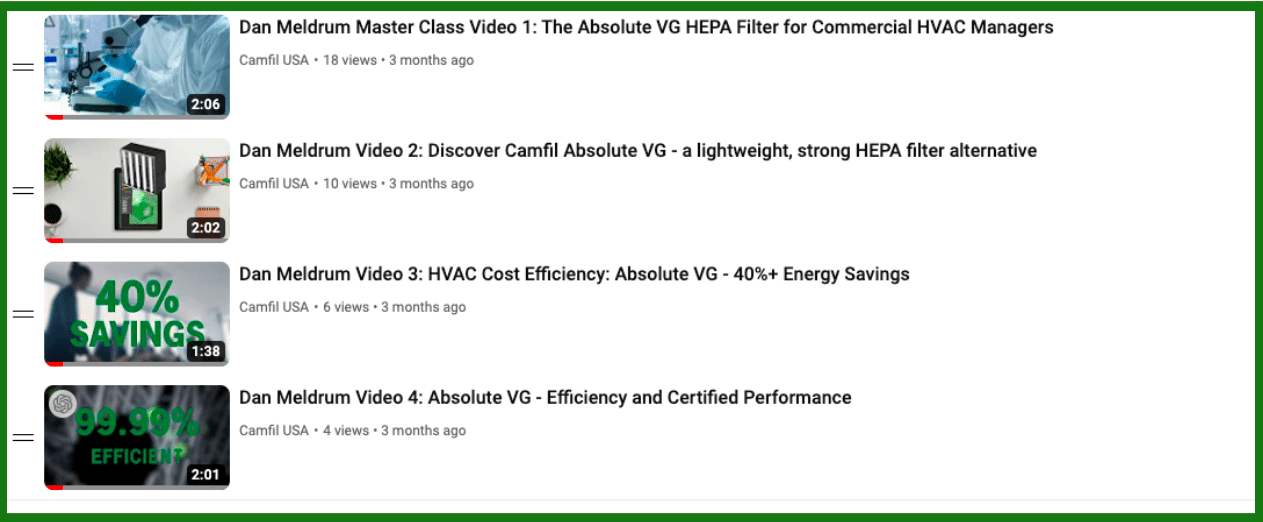
In a recent interview series with Dan Meldrum, a seasoned expert in air filtration technology, Camfil Expert Mark Davidson delved into the world of HEPA filters and their transformative impact on various industries. In this video master class for HVAC Managers, Camfil air quality expert Mark Davidson explored the insights gained from Dan’s responses in four informative videos, showcasing how the Camfil Absolute VG HEPA filter is changing the game in terms of efficiency, cost-effectiveness, and performance.

Video 1: HEPA Filters – From the Manhattan Project to Modern Applications

HEPA Filters - From the Manhattan Project to Modern ApplicationsIn the first video, Mark poses questions to Dan about the history and current applications of HEPA filters. Dan explains that HEPA filters find their niche in clean processes, such as pharmaceutical manufacturing, medical research facilities, microelectronics, and biosafety labs. These are areas where clean air is paramount to protect both products and health.


Video 2: Discover Camfil Absolute VG – a lightweight, strong HEPA filter alternative

Discover Camfil Absolute VG - a lightweight, strong HEPA filter alternative

Camfil Absolute VG is a lightweight and strong alternative to bulky and heavy HEPA filters. It weighs 21 pounds, compared to HEPA filters that can weigh 42 to 45 pounds, making it easier to install and handle. Its strength is achieved through innovative design with v-shaped sides and single-piece front and back plates, using less material. In addition to a lower initial purchasing price, the Camfil Absolute VG’s lightweight construction providers lower operational costs. 

Video 3: HVAC Cost Efficiency: Absolute VG – 40%+ Energy Savings

HVAC Cost Efficiency - Absolute VG - 40 percent plus Energy Savings

The third video dives into the economics of air filtration. Dan Meldrum emphasizes that operational costs, mainly energy costs, account for a substantial portion of a filtration program’s expenses. The Absolute VG’s design reduces resistance to airflow, resulting in remarkable energy savings, often exceeding 40%. Additionally, the extended service life of the filter further contributes to cost reduction, as it minimizes downtime and disposal expenses.

Conclusion:

The Absolute VG HEPA filter is more than just a filtration solution, it’s a game-changer. Its lightweight design, coupled with enhanced strength and durability, offers unparalleled advantages over traditional HEPA filters. Moreover, the substantial reduction in operational costs and extended service life make it a cost-effective choice for critical applications. With its efficiency and certification, the Absolute VG is a reliable and certified HEPA filter, ensuring pristine air quality in environments where perfection is the only option. Make the smart move and consider the Absolute VG for your clean air needs – it’s revolutionizing the way we think about air filtration.

The post Revolutionizing Clean Air: The Absolute VG HEPA Filter for Commercial HVAC Managers appeared first on Air Filters for Clean Air.


from Air Filters for Clean Air

Saturday, October 7, 2023

Commercial and Public Building Air Filters: A Comprehensive Guide

Good indoor air quality in commercial and public buildings is essential to providing a safe, comfortable environment for employees and visitors. It can also have a direct impact on energy efficiency and the long-term structural integrity of the building while reducing the risk of legal and regulatory headaches. 

Think about how poor air quality makes you feel when you walk into an office, store, school, hotel, restaurant, museum, entertainment venue or municipal building. If you notice an odor, high humidity or even signs of moisture or mold, will you feel confident staying there? Will you be productive in such an environment? Would you feel comfortable inviting a client or visitor to that building? How would it affect your perception of the building operator or owner?

Air filters play an essential role in improving and maintaining good air quality. Air filters not only prevent the spread of harmful contaminants, but they also allow cleaner air to circulate continuously through commercial and public buildings, replacing dirty air with healthy, clean air.

Let’s discuss the importance of air quality, obstacles to good air quality, different types of air filters, and factors to consider when choosing, installing and maintaining air filters.

Why Air Quality Matters in Commercial and Public Buildings

First and foremost, poor air quality can have a direct impact on the health of occupants. The sad reality is that indoor air pollution levels are typically much higher than outdoor air pollution levels, especially in urban areas. 

Beyond physical conditions like asthma, headaches, fatigue, and irritation of the eyes, nose, throat, and lungs, poor air quality can make it difficult to concentrate. It can affect a person’s mood and increase stress levels. Prolonged exposure to mold, asbestos, radon and other substances can cause cancer and other chronic, long-term health issues.

Of course, if pollutants, dust, allergens, molecular gases and even radiation and cleaning supply chemicals affect a person’s physical and mental health, their productivity is likely to be altered as well. When individual productivity suffers, organizational performance suffers. Given increasingly strict health and safety standards, organizations that fail to meet minimum standards for indoor air quality could face lawsuits and costly fines for noncompliance.

Maintaining proper air quality is also essential in environments such as scientific labs and manufacturing plants to maintain the integrity and performance of technology, equipment and sensitive materials. Major investments in these facilities could be compromised due to poor air quality.

Understanding Air Filters: Basics and Beyond

An air filter is a device used in HVAC and air purification systems to provide people with clean, safe air to breathe. Air filters can take many shapes. They could be as small as a matchbox and as large as a shipping container, depending on the application. 

The air filter is placed in the HVAC or air purification system to create a barrier, which can be made of various types of filter media constructed from fibers produced from synthetic materials or micro-glass fibers. Air filters can also be produced with activated carbon on the fibers or modules or cylinders of bulk activated carbon media. Air filters trap pollutants while allowing clean air to flow through the filter to the indoor environment.

Types of air filters include but are not limited to:

  • Bag Filter and Compact Filter (V-Bank and Box):  Used as high-efficiency final filters or as prefilters for HEPA installations.
  • Panel Filter:  Used as the main filter or as prefilters to extend the life of final filters.
  • HEPA (High-Efficiency Particulate Air) Filter:  For very small particles, such as allergens and pathogens.
  • Activated Carbon Filter:  For odors, gases, and volatile organic compounds (VOCs).


There are several rating systems used to measure the efficiency of air filters in capturing particles of different sizes, including:

  • ASHRAE Standard 52.2 MERV (Minimum Efficiency Reporting Value):  capable of capturing particles of certain sizes based on a rating scale of 1-16.
  • ISO16890:  Similar to MERV, but with a focus on PM1, PM2.5 and PM10 sized particles.
  • HEPA:  Air filters tested to a minimum efficiency of 99.97% on 0.3-micron particles. 
  • ULPA (Ultra-Low Penetration Air):  Beginning at 99.9995% efficient and higher for environments that require exceptionally clean air, such as research labs.

Challenges in Maintaining Air Quality in Large Spaces

Many commercial and public buildings are complex structures. They have intricate designs with different spaces serving different purposes. The number and density of occupants will often vary from room to room and change over the course of a day.

This can make it difficult to provide proper air circulation and ventilation, which can then create inconsistencies in air quality, humidity and temperature. Inadequate ventilation can cause pollutants to accumulate, while excess ventilation can drive up energy costs and shorten the life of HVAC and air purification equipment.

The complexity of these buildings and spaces typically contributes to the presence of indoor pollutants of various sizes and types from different sources, which can make air filtration and pollutant control more challenging.

There are also external factors to consider. Remember, the job of an air ventilation system is to remove polluted indoor air and replace or recirculate it with clean, conditioned air, some of which is fresh, outdoor air. Unfortunately, outdoor air isn’t always fresh. Areas with high auto traffic and industrial manufacturing facilities can be surrounded with pollutants. Even areas surrounded by nature could deal with environmental allergens and particles that affect indoor air quality.

To overcome these challenges, the American Society of Heating, Refrigerating and Air Conditioning Engineers (ASHRAE) has created an indoor air quality design guide with best practices for design, construction and commissioning. The guide was created for architects, design engineers, contractors, commissioning agents and any professional who is concerned about indoor air quality. ASHRAE Standard 62.1 – Ventilation and Acceptable Indoor Air Quality is also a document commonly referenced.

Selecting the Right Air Filter for Commercial and Public Buildings

There are a number of factors to consider when choosing air filters for commercial and public buildings. For example:

  • What is the size of the structure?
  • What is the purpose of the structure? What is the purpose of each space within the structure?
  • What are the air quality requirements, and airflow requirements, for the people, technology, equipment, and activity within each space? What regulatory standards are you required to meet in your location and industry?
  • What types of pollutants and particles are likely to be found in each space?
  • If you have an existing HVAC and/or air purification system, what types of air filters are compatible?
  • What is the lifespan of each air filter you are considering? What are the maintenance requirements?

Air filter decisions should also be based on an understanding of MERV ratings and the types of filters that fall into the various MERV ranges, from spun fiberglass filters (MERV 1-4) to the highest-rated filters used in sensitive manufacturing and pharmaceutical environments (up to MERV 16 and beyond to HEPA and ULPA filters).

Ultimately, selecting the right air filter for commercial and public buildings comes down to balance. You need to weigh the effectiveness, efficiency, and cost of the air filter, the air quality goals and requirements of your organization, and the health and comfort of the occupants. Regardless of the product you choose, the end result should be clean, safe air.

Innovations and Trends in Air Filtration

The emergence of smart home technology has led to the development of smart air filters. These internet-connected filters are integrated with the Internet of Things (IoT) to provide real-time air quality monitoring data. 

Smart air filters use this data to automatically respond when pollutants reach a certain threshold. For example, a fan or air purification system could be activated, and an alert could be triggered so an operator knows to change a filter. Users can remotely monitor and control smart air filter settings through a mobile app or voice assistant (Alexa, Siri, etc.). Rather than running at the same speed, a smart filter can automatically adjust output based on current air quality data.

Smart filter data can then be used to generate reports and analyze trends for indoor air quality and energy consumption, enabling facility managers to make informed decisions for continuous improvement.

Energy efficiency, sustainability and environmental responsibility have become organizational priorities for most companies. In addition to smart filters, recent innovations in air filtration reflect these initiatives as manufacturers seek to reduce their energy consumption and carbon footprint.

For example, innovative filter media is being made from recycled materials using eco-friendly manufacturing processes. Solutions capable of circulating air with lower pressure and, therefore, less energy are becoming more common. Filtration technologies like activated carbon filters can reduce emissions, which improves indoor air quality and reduces environmental impact.

Implementation and Maintenance Best Practices

Installation and maintenance of air filters in commercial and public buildings are far more complicated than swapping out an air filter at home. These tasks should be handled by highly trained, licensed professionals. A qualified installer will understand how to:

  • Choose the right filter
  • Take all necessary safety precautions
  • Locate and inspect the filter housing, frames and gaskets
  • Repair any damage 
  • Remove any debris or obstruction to airflow
  • Install and secure the air filter
  • Document the entire process
  • Test the system to ensure optimal function

Once new air filters are installed, a comprehensive maintenance plan and schedule should be established. This will enable you to maintain optimal indoor air quality, provide occupants of your building with clean air and protect your investment.

Air filters in commercial and public buildings should be inspected regularly for signs of damage, debris and tight seals. The area around the HVAC  equipment should be cleaned to prevent the accumulation of dust and dirt. Scheduled replacement of your air filters will prevent unplanned expenses and keep your system performing as it should. 

Depending on the equipment in your facility,  air filter professionals will be able to measure the pressure and performance of your system to ensure proper airflow and air quality. They can also alert you to potential violations of health and safety regulations and provide training that makes employees aware of potential problems so they can be reported.

All maintenance work and reporting should be documented to analyze trends and update the maintenance plan if necessary.

Case Studies:  Success Stories in Air Filtration

Perhaps the best way to truly understand the role of air filters and the impact of a carefully planned air filtration system is to see real-world examples of what organizations have been able to accomplish.

    • See how the famous Music City Center in Nashville improved indoor air quality, reduced filter-related costs by 34 percent, and reduced labor hours by 80 percent by converting to a single-stage, MERV-A solution. Read the case study.
    • See how a secondary school in Valencia, Spain protected students and teachers against biological agents by installing Camfil City M air purifiers with Camfil HEPA H14 filters, which are certified according to the EN1822 standard. Read the case study.
  • See how a wastewater treatment plant in Denmark reduced odors and created a more comfortable work environment, installing a stainless steel HDC filter housing unit with cells that are filled with ISO 10121 activated carbon and Camfil CamPure media. Read the case study.
  • See how container manufacturer AMG upgraded the indoor air quality at a new facility to meet compliance requirements by implementing a Gold Series X-Flo dust collection system, which was installed outside to simplify service and maintenance. Read the case study.

Conclusion: Breathing Easy in the Modern World

Maintaining optimal indoor air quality in commercial and public buildings is aligned with public demand for healthy, safe environments and a more sustainable culture. It enables the owners and operators of these structures to reduce energy consumption and save money. It also happens to be a legal and regulatory requirement. 

Modern, high-quality air filters are vital to successful indoor air quality initiatives. Understanding air filter capabilities and options, and choosing the right filters based on the indoor environment, will help all stakeholders breathe easy – occupants, owners and operators, maintenance teams, and compliance teams – and reduce risk for your organization.

We encourage you to explore innovations in air filter technology and consider evaluating your existing system. Instead of reacting to unpleasant odors or visible dust, you can proactively maintain high levels of indoor air quality and performance while extending the life of your system.

If you’d like to discuss the state of your current air filtration infrastructure and opportunities for improvement, please contact Camfil today to schedule a consultation.

The post Commercial and Public Building Air Filters: A Comprehensive Guide appeared first on Air Filters for Clean Air.


from Air Filters for Clean Air