Monday, January 15, 2024

The Role of Air Filters in Air Handling Units for Maintaining Commercial and Public Building Indoor Air Quality

Ensuring high indoor air quality in commercial and public spaces is crucial for the well-being, health, and comfort of occupants and visitors. According to the Environmental Protection Agency, Americans typically spend around 90% of their time indoors, including prolonged periods at work. 

The EPA notes that indoor air can often contain more pollutants than outdoor air. Consequently, subpar indoor air quality can lead to significant health issues. The resulting loss in productivity and increased sick days can lead to national revenue losses amounting to tens of billions of dollars each year.

What causes poor indoor air quality?

Indoor air quality can be diminished by a range of pollutants and chemicals originating from both outside and inside the building. Building occupants may be exposed to these harmful elements for long and frequent durations. The EPA cites the following:  

  • Biological contaminants like bacteria, viruses, pollen, mold, dust mites, and water spills can enter enclosed spaces, triggering allergic reactions, shortness of breath, dizziness, and infectious illnesses such as influenza. 
  • Chemical pollutants from sources like tobacco smoke, cleaning products, gases expelled by building materials and furnishings can irritate the nose, throat, lungs, and cause headaches. 
  • Suspended air particles and pathogens can remain suspended in the air or travel on air currents until they settle on surfaces or individuals. These contaminants are more likely to spread among people in indoor environments due to higher concentrations, raising the risk of diseases such as influenza. 

The Role of Air Handling Units in Building Environments

Today’s modern buildings feature complex designs with diverse spaces dedicated to different functions, making it challenging to ensure proper ventilation and air quality throughout. HVAC systems are the first line of defense in removing and diluting airborne pollutants. 

Central to the systems are air handling units (AHUs), which process and circulate clean air back into the building through a network of ducts. Commonly positioned on rooftops, AHUs draw in outdoor air, filtering contaminants before redistribution. They have a direct impact on indoor air quality and the HVAC system’s lifespan by keeping equipment clean.

Central to the systems are the air handling units (AHU) which contain equipment such as cooling coils or heating elements that condition the air for temperature and humidity. A certain percentage of outdoor air is mixed with the recirculated indoor air to maintain a regular supply of fresh air. Powerful fans then direct the air mixture through filters for contaminant removal and then throughout the building within a network of ducts. 

MERV (minimum efficiency reporting values) indicates a filter’s effectiveness at trapping particles between 0.3 to 10 microns in size. This rating, established by ASHRAE Standard 52.2, aids in  selecting the appropriate filter for specific filtration need. ISO has introduced a filter standard as well, known as  ISO16890. This standard relies on  particle sizes classified into  PM1, PM2.5, and PM10. The table below is helpful when determining the appropriate filter efficiency required and the relationship between MERV and ISO16890.
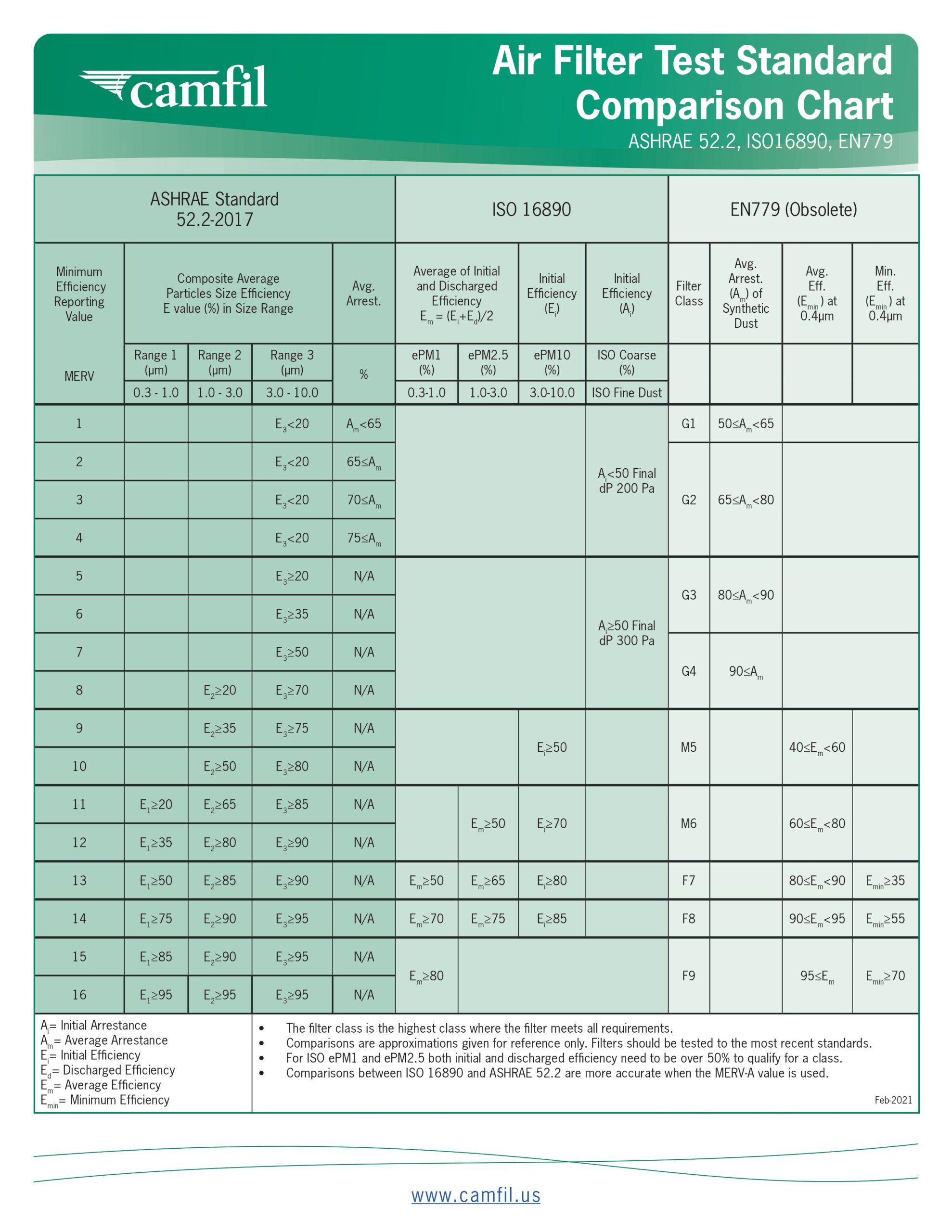
Air Filter Test Standard Comparison Chart

During the pandemic, ASHRAE’s Epidemic Task Force  recommended  using filters with a minimum  MERV 13 rating for HVAC systems and many still follow the recommendation today. Filter selection should also consider the specific HVAC system’s capabilities to properly hold the filter in place and move air through the filter.  While HEPA filters might seem like a universal solution due to their high filtration levels, HEPAs require specialized holding frames and fans that can overcome the higher resistance to airflow which  could render them an impractical choice.

Air Filter Types for AHUs in Commercial Settings

AHUs in commercial buildings are generally larger and more powerful which means they are often capable of holding a wide variety of air filter styles.  Here are various filters with the respective MERV ratings:

  • HEPA or high-efficiency particulate air filters have very high efficiency, capturing a minimum of 99.97% of particles  as small as 0.3-microns which include respiratory aerosols that could contain harmful viruses.  The particles are much smaller than the eye can see.  
  • V-bank style mini-pleats are the high-performance air filters on the market today for general ventilation. They have a very low resistance to airflow and coupled with the high dirt-holding capacity,  can remain in service for long periods. In some applications, V-bank-style filters can remain operating in AHUs for up to three years. 
  • Bag filters are prevalent in commercial and public structure HVAC systems  for both primary and secondary filtering stages. Bag filters can be standalone for general air quality or act as pre-filters for specialized environments. The filters are also installed in the exhaust air or recirculation systems to protect air handling units.  With MERV ratings from 11 – 15, bag filters offer higher dust-holding capacity and longer lifetimes than most other filters. 
  • Pleated panel filters are used as the primary filter in AHUs with limited space for air filters.  In AHUs with multiple filtration stages, panel filters are used as prefilters to keep the heating and cooling coils clean and to protect and extend the life of more expensive final filters by capturing larger particles in ventilation intake or recirculation air. The filters have a MERV rating of 8 to 13.
  • Molecular filters are designed to eliminate gases, vapors, and molecular-scale pollutants. These substances are up to 1,000  times smaller than the particles that HEPA filters can capture. Molecular filters often use activated carbon or alumina to trap these tiny molecules using the adsorption filtration principle.

Air Filtration Solutions for Different Facilities

No single filter type is universally ideal for all commercial and public buildings. For instance, the filters needed in airports differ from those required in restaurants due to the various sizes and types of airborne particles that must be removed. The filter choice also hinges on several factors, including the capacity of the existing AHUs, the building’s function, cost considerations, desired efficiency levels, air quality objectives, and compatibility with the existing HVAC system. The overarching objective is to improve indoor air quality.

Below is a snapshot of the requirements and types of filters used in different spaces.

Airports 

Airport Air FiltrationEvery day, millions of passengers pass through airport terminals, inadvertently shedding particles from their luggage, skin, and clothing that pollute the air. This is compounded by diesel fumes from passenger buses and baggage wagons, and the vapors from cleaning chemicals used within the terminal.

Airports combat these hazards by circulating a combination of outdoor and recirculated filtered indoor air,   throughout the terminals, thus protecting travelers and staff from dangerous substances. Typically, the central station HVAC systems or rooftop AHUs are equipped with air filters rated MERV 13 to 16, providing the greatest level of protection against fine particle contaminants while maintaining economic operation.

 Camfil, a leading manufacturer of premium clean air solutions, recommends these filters to strike an ideal balance between operational efficiency, long service life, and energy conservation. Additionally, carbon air filtration systems are employed to absorb diesel exhaust and odors from airport vehicles.

Retail Space

Retail Space Air FiltrationMaintaining fresh air in the confined spaces of shopping malls and retail stores is essential for a pleasant and safe shopping environment. Research indicates that indoor air quality in malls can be up to 10x times worse than air outdoors. A variety of factors contribute to this:  particles shed from customers’ skin and clothing, carbon dioxide from the breath of shoppers and staff, dust from restocking activities, intense cleaning processes, and emissions from transport vehicles all play a part in degrading air quality.

Short-term exposure to these elements can cause headaches and irritate the eyes and respiratory system. Airborne viruses shared by sick individuals can increase the risk of illness. Choosing an air filter depends on space, number of visitors, and type of airborne contaminants.  While there are no standards to follow, the Occupational Safety and Health Administration and ASHRAE recommends using filters with a minimum MERV rating of 13 to minimize the potential  spread of viruses such as COVID-19. 

 Hotels

Hotel Air FiltrationHotel guests expect easy check-ins, clean rooms, and fresh air.  In the hospitality industry, clean indoor air, along with climate control, ranks high on guests’ requests. Hotels face the challenge of filteringexternal pollution that seeps indoors, neutralizing cleaning agent odors, kitchen smoke, renovation dust, ductwork mold and bacteria, and carpet emissions. Different hotel zones like kitchens, lobbies, bars, and rooms each have unique air quality needs.

Energy-efficient filters with varying MERV ratings can effectively trap and remove a multitude of contaminants, from dust and bacteria to gases and volatile organic compounds (VOCs), to maintain high indoor air quality. These filters also contribute to energy savings and a lower carbon footprint.

Ensuring clean air is key to providing comfort and safeguarding the health of visitors, which in turn fosters guest loyalty and creates a wholesome environment for both work and leisure. While MERV 8-12 filters are commonly used for commercial buildings, higher MERV-rated filters such as 13-16,  control finer particles such as bacteria, tobacco smoke,  and some droplets from sneezes and coughs. The use of energy-efficient filters to improve indoor air quality can help save on energy costs that represent 15 – 20% of the total cost of hotel operations. 

Offices

Office Air FiltrationMany offices have poor air circulation with outdated ventilation systems that just move unclean air from one part of the office to another. The wrong filters won’t offer the right results in removing small particles and odors in the air.  Studies indicate that good indoor air quality positively affects worker productivity.  

In addition to upgrading HVAC systems, office buildings should place the right filters throughout their space to purify air for occupants and increase the efficiency of HVAC systems. Filters with a MERV rating between 8 and 16 are recommended for the HVAC systems.  However, the higher the rating, the more contaminants a filter will block to protect equipment, operations, and building occupants.

Restaurants

Dining out is as much about the ambiance as it is about the food and service. Customers expect delicious meals, top-notch service, and a dining environment that’s comfortable and clean. Ensuring high-quality indoor air contributes to this experience by eliminating odors that can interfere with the enjoyment of the food and by safeguarding the health of both patrons and staff.

Managing the various spaces within a restaurant comes with distinct air quality challenges. Kitchens require robust ventilation to expel smoke, steam, and heat, while dining areas need to maintain an odor-free and comfortable environment. The solution is a proper combination of air filtration that removes oil and grease, collects particles, and eliminates gases responsible for odor.  

As outdoor air is brought in to replace the air extracted from kitchens and dining areas, it must be filtered to achieve high levels of indoor air quality. Fine airborne particles are particularly concerning and need to be efficiently captured with a minimum of  MERV 13 to 16 rated air filters,  ensuring an environment that meets the expectations for clean air in a dining setting.

Maintaining Filter Efficiency

Restaurant Air FiltrationAfter installing the appropriate air filters, it’s crucial to properly maintain them to ensure optimal performance and extend the life of the filters and the HVAC system. Buildings should have strict protocols for routine maintenance, checks, and filter replacements.  Ideally, air filters should be replaced when the resistance to airflow, aka pressure drop, increases to the point where clean airflow into the space is so restricted, proper conditions within the space are not being maintained.  Air filters should not be automatically replaced such as every one to three months. Changing air filters is an expensive undertaking and should be done when the filter’s usable service life is exhausted.  

Likewise, neglecting to replace filters when resistance has built up too high, can cause the filter to collapse in on itself and create serious bypass where no air is being filtered. Regularly monitoring pressure drop readings can be used to determine when filters need changing.  

Investing in high-quality air filtration to improve indoor air quality is directly associated with the good health, satisfaction, and productivity of building occupants and visitors and extended equipment life.

A specialist in air filtration, with expertise in servicing commercial and public buildings, can conduct a thorough evaluation and develop a tailored air filtration plan to meet the unique needs of the facility for the most effective results.


¹ https://www.epa.gov/indoor-air-quality-iaq/office-building-occupants-guide-indoor-air-quality#why-indoor

² https://www.epa.gov/indoor-air-quality-iaq/office-building-occupants-guide-indoor-air-quality#why-indoor

³ https://cleanair.camfil.us/2017/12/18/is-the-air-quality-at-the-malls-making-you-sick/

⁴ https://www.osha.gov/sites/default/files/COVID-19-Guidance-Mall-Operators.pdf

⁵ https://www.camfil.com/en-us/industries/commercial-and-public-buildings/hotels

⁶ https://www.camfil.com/en-us/industries/commercial-and-public-buildings/offices

⁷ https://www.camfil.com/en-us/industries/commercial-and-public-buildings/restaurants

The post The Role of Air Filters in Air Handling Units for Maintaining Commercial and Public Building Indoor Air Quality appeared first on Air Filters for Clean Air.


from Air Filters for Clean Air

Monday, January 8, 2024

Commercial and Public Building Air Filters for Dental Offices: A Dental Health Imperative

Air quality in dental offices, like any healthcare facility, plays an important role in healing. Maintaining good indoor air quality is critical to good oral health, especially when patients have their mouths open for extended periods of time. 

When dentists and hygienists are caring for patients, whether through routine cleaning or more invasive dental procedures, the right air filters will reduce the presence of airborne contaminants, which not only benefits patients but also dentists and staff. Of course, dental practices also have to meet regulatory compliance standards to ensure a safe environment.

Let’s take a closer look at the importance of air quality in dental offices, the need for high-quality air filters, the challenges to maintaining clean air and the types of air filtration solutions and strategies available.

Air Quality in Dental Offices: Why It Matters

Maintaining good air quality in dental offices can reduce the risk of infection and illness caused by exposure to contaminants through the air and on dental instruments. Dentists, hygienists, and staff are also susceptible to health problems that can be traced back to airborne contaminants. 

Because dental procedures can produce airborne particles and hazardous aerosols that can be inhaled, proper air filtration and ventilation are needed to remove these substances from the air. Patients who suffer from respiratory conditions such as allergies and asthma can experience physical discomfort, breathing difficulty and fatigue when exposed to harmful substances in the air. 

Unpleasant odors from a variety of sources such as dental materials, biological substances and cleaning solutions can make people feel uneasy and nervous. Given the fear that many people associate with dental visits, effective air quality management can help put the patient at ease by reducing or eliminating odors.

Beyond the health of patients and dental staff, safety standards must be satisfied to meet regulatory requirements for infection control, transmission-based precautions and proper cleaning and disinfection. Air filtration, air filter efficiency, ventilation, air changes per hour,  staff training and air quality monitoring and recordkeeping are all key components of a comprehensive compliance strategy.

Potential Airborne Threats in a Dental Environment

A dental environment is susceptible to most of the same contaminants that can be found in any indoor environment, such as viruses, bacteria, allergens and dust particles. However, many substances are unique to dental environments and must be filtered continuously to maintain clean air and meet compliance requirements.

Saliva, blood and oral fluids can enter the air as aerosols and potentially spread airborne infections. This can occur during routine cleaning, scraping of plaque, drilling and other dental procedures. Endotoxins released by bacteria can increase the risk of fever, nausea, vomiting and other health issues.

Dental materials such as amalgam fillings can release mercury into the air, which can be harmful to the nervous system and kidneys. Some materials used to create an impression of the patient’s teeth can produce mercury vapor. Even asbestos, an ingredient found in older dental resins and impression material, can increase the risk of respiratory disease.

While disinfectants are necessary to clean various surfaces in dental offices and treatment rooms, the chemicals used to kill contaminants can be dangerous. Disinfectants can irritate the skin, eyes and respiratory tract and cause allergic reactions. Some disinfectants are toxic if inhaled or ingested. 

Air Filters:  Tailored for Dental Settings

Commercial HVAC systems continuously recirculate air inside the facility while adding a small volume of air from outside the facility. In addition to capturing particles brought in from the outside, air recirculated s within dental offices contains  contaminants   from dental procedures and patients and staff themselves that require filtering.. The air is drawn into the air filter by a fan and contaminants are captured as air passes through the filter and clean air is recirculated  into the room.

There are different types of filters that are commonly used in dental offices:

  • HEPA filters. High-efficiency particulate air (HEPA) filters tested and certified to a minimum efficiency level of 99.97% on 0.3-micron-sized particles.
  • MERV filters. Minimum Efficiency Reporting Value (MERV) filters are rated on a scale of 1 (largest particles) to 16 (smallest particles). 
  • Activated carbon filters. Activated carbon filters utilize a technique known as adsorption to  remove gas, odors, volatile organic compounds (VOCs), and other molecular contaminants from the air.

These types of air filters are generally used to protect the air in  in dental treatment rooms but can also be used in other office areas, such as x-ray rooms and reception, to maximize effectiveness and prevent cross-contamination.

Challenges of Ensuring Optimal Air Quality in Dental Practices

As discussed previously, there are many types of contaminants in a dental environment. Viruses, bacteria, allergens, dust particles, aerosols formed from saliva, blood, and oral fluids from the patient, mercury vapor from dental materials, cleaning disinfectants, and various odors make proper air filtration in dental environments fairly complex.

Because aerosols and other types of airborne pollutants can be suspended in the air for a period of time, and patient turnover is fairly frequent in dental offices, there is an increased risk of these contaminants spreading. While dentists and staff can wear protective gear to reduce risk, patients are largely exposed.

Also, dental offices are typically small and part of a much larger facility, which can make it difficult to install the appropriate air filtration and ventilation systems. X-ray rooms, dental surgery suites and treatment rooms in particular require more advanced systems and air filters with higher ratings than the average office space. Designing a system to meet the specific demands of specialized spaces can be difficult.

Selecting the Right Air Filter for Dental Offices

There are many factors to consider when choosing air filters for dental offices. Start by answering the following questions.

  • How big is your dental office? 
  • How big are the rooms that have strict air filtration requirements?
  • What types of procedures are performed?
  • What types of contaminants need to be removed?
  • What is your average daily patient volume?
  • What is your patient turnover frequency?
  • How is maintenance handled?
  • What is your budget?

Air filters need to be paired with the HVAC equipment  to maximize efficiency and the right type to ensure effective removal of the most common contaminants in dental offices. The system will need to be configured to keep up with patient turnover. Of course, air filters need to be changed and systems maintained, so processes and filterlifespan need to be considered when choosing air filters specifically for a dental environment.

Emerging Innovations in Dental Air Filtration

Given heightened sensitivity to airborne contaminants and the spread of disease since the pandemic, dental practices and all healthcare facilities have been under pressure to implement more sophisticated air filtration and ventilation solutions. Innovation is a business imperative, and the industry is responding. 

Some HVAC systems use internet-connected sensors and artificial intelligence (AI) to monitor the air to ensure it  meets compliance standards. Modern systems can  provide real-time data on air quality, automatically adjust fan settings as needed and send alerts to technicians if air quality dips below a certain threshold and maintenance or repairs are needed. 

The capabilities can reduce exposure to harmful contaminants. The data generated by HVAC systems equipped with sensors  can  predict potential problems before they happen and optimize air quality.

Installation and Upkeep:  A Dental Perspective

Once the right air filters are chosen, they should be securely installed in an unobstructed location by a qualified technician. Properly installing  air filters in systems that supply air to  treatment rooms, waiting rooms, and reception is essential to maximizing effectiveness and efficiency. Follow the manufacturer’s instructions when installing as well as removing old filters for disposal. 

Like any equipment and technology, HVAC  systems and air filters should be maintained regularly. Gaskets should be inspected to ensure they are sealing and preventing bypass. Generally speaking, air filters should be replaced based on pressure drop and by the number of weeks or months they’ve been in service. The cost of energy to power the fan in an HVAC system is the single highest cost component of an air filtration program. Assuming the correct MERV value has been selected, air filters that maintain the lowest average resistance to pressure drop deliver the lowest total cost of ownership.. HVAC equipment  should be inspected according to the manufacturer’s recommendations. .

Conclusion:  Prioritizing Clean Air in Dental Care

Unlike most other types of healthcare practices, dental environments are home to procedures that have a direct, immediate impact on air quality. At the same time, dental practices face intense scrutiny to maintain a safe environment for staff and patients and meet compliance requirements that will likely increase in number and complexity.

With unique air quality challenges, a wide range of contaminants, and very strict compliance requirements, proper implementation and maintenance of highly effective air filtration and ventilation solutions are an absolute necessity. At the same time, continued research and innovation are needed to capture the smallest contaminants while maximizing efficiency and sustainability. 

Recognizing the important role air filters have in dental care, Camfil will continue to be a strong advocate for these efforts. Camfil partners with dental practices and property managers to design, install, and maintain air filtration and ventilation systems that meet the unique needs of the industry. Clean air in dental environments must remain a top priority, and Camfil will continue to step up with strategies and solutions that ensure safety and compliance.

The post Commercial and Public Building Air Filters for Dental Offices: A Dental Health Imperative appeared first on Air Filters for Clean Air.


from Air Filters for Clean Air

Tuesday, January 2, 2024

The Importance of Air Filtration in Cities with Heavy Traffic

More than 45 million people in the United States live, work, or attend school within 300 feet of a major road, airport, or railroad. Air pollution in these areas can be especially high, meaning that people living close to large roads should be even more aware of the impacts of road traffic pollution.  

In this article, air pollution experts from Camfil explain the effects of air pollution resulting from excessive traffic in urban areas and the importance of air filtration to address these concerns. 

What Air Pollutants Come from Heavy Traffic?  

Cars, trucks, and other vehicles emit hundreds of different chemicals into the air, which are found in higher concentrations near major roads. Examples of common pollutants that are directly emitted by automobiles and other vehicles include: 

  • Particulate matter (PM), also known as particle pollution, is a mixture of airborne particles made up of solid and liquid droplets. By themselves, these particles are so small,  they can be seen only with a microscope. In addition to road traffic, particulate matter comes from a variety of sources, such as power plants, construction activities, wood burning, and agricultural burning. Particulate matter can affect health in a number of ways. The smaller the particle, the deeper it can penetrate the lungs, leading to serious health risks such as heart and lung diseases. Long-term exposure to PM can cause asthma, bronchitis, and even premature death. PM can also have a detrimental effect on the environment, as it can cause smog and haze, reduce visibility, and damage crops.
  • Carbon monoxide. Carbon monoxide (CO) is a colorless, odorless, and tasteless gas that is released from combustion processes. It is a major component of vehicle exhaust, and can also come from gas or kerosene stoves, portable generators, and other combustion sources. Exposure to high levels of carbon monoxide can cause dizziness, headaches, weakness, confusion, and nausea, and can even be fatal in some cases. Long-term exposure can lead to brain damage, and pregnant women and fetuses are particularly sensitive to its effects. 
  • Nitrogen oxides. Nitrogen oxides (NOx) are a group of air pollutants that are released into the atmosphere from combustion sources, such as vehicle exhaust, power plants, and industrial activities. These gases react with other pollutants to form dangerous particles, such as ozone, which can lead to respiratory problems and worsen asthma symptoms. NOx can also react with other chemicals in the atmosphere to form acid rain, which can damage crops, buildings, and aquatic life.
  • Benzene. Benzene is a component of vehicle exhaust and is a known carcinogen, meaning it can cause cancer. People living near major roads, airports, or railroads are particularly at risk of inhaling benzene in their air. Research has shown that people who are exposed to higher levels of benzene in the air are more likely to have some types of cancers than those who are not exposed. 

Motor vehicles additionally release compounds that contribute to the generation of other pollutants in the atmosphere, including nitrogen dioxide, which is present in higher concentrations near main roads, and ozone, which forms further downwind. In addition to emissions from vehicle exhaust and evaporation, traffic on roadways also releases brake and tire particles and can disperse road dust into the air. Collectively and individually, numerous pollutants found in close proximity to roadways have been linked to negative health impacts.

How Does Pollution from Traffic Affect Human Health? 

People who live, work, or attend school near major roads have increased rates and increased severity of air pollution-related health problems, including: 

  • Asthma onset and aggravation
  • Cardiovascular disease
  • Impaired lung development 
  • Pre-term birth and low birth weight in infants
  • Childhood leukemia 
  • Premature deaths

Air pollution from traffic is associated with a wide range of adverse effects to human health. Long-term exposure to air pollutants from traffic can cause systemic damage to the body, including damage to the lungs, heart, and immune system. It can also aggravate existing medical conditions like asthma and allergies. Research has linked air pollution from traffic to increased risk of stroke, heart attack, lung cancer, and chronic obstructive pulmonary disease (COPD). Additionally, there is evidence that exposure to air pollution from traffic can cause cognitive impairments in children and adults, including reduced attention, memory, and executive functioning.

Explore some of Camfil’s resources on the health effects of air pollution:

What Factors Affect Air Pollution Levels Near Major Roads?

According to the EPA, there are many factors that influence the concentration and composition of air pollution in areas adjacent to major roadways:

  • The type of vehicles and fuel being used. 
  • Wind speed and direction. 
  • Traffic conditions. 
  • Climate and ground composition.

The highest concentrations of roadway pollutants occur on or just downwind of a roadway. With greater distance from a roadway, concentrations generally decrease to background levels within 500-600 feet. Pollutant concentrations tend to be higher when winds blow from the road and wind speeds are low.

The type of vehicles and fuel used, traffic activity, and the wind speed and direction can all have big effects on pollutant levels near major roadways. Generally, the more traffic, the higher the emissions; however, certain activities like congestion, stop-and-go movement or high-speed operations can increase emissions of certain pollutants. The combination of rush hour and calm winds in the morning often leads to the highest concentrations during this time of the day.

Emissions in close proximity to major roadways may be elevated due to a range of vehicle-related processes, including tailpipe exhaust, fuel evaporation, brake and tire wear, and traffic-induced dust. Concentrations of air pollution can rise under specific wind and terrain conditions, as well as during peak traffic hours. The dispersion of pollutants is influenced by structures such as sound walls, buildings, and vegetation. Generally, pollutant levels tend to decrease as one moves away from traffic, although the extent of this decrease may vary.

Traffic activity, wind speed, and direction can significantly impact pollutant concentrations. Typically, increased traffic results in higher emissions. However, specific factors such as congestion, stop-and-go movement, or high-speed operations can further contribute to the release of certain pollutants. The combination of rush hour and calm winds in the morning often leads to peak concentrations during this time of day. Other factors that influence pollutant concentrations include the composition of vehicles, roadway design, and neighboring land uses.

What About Air Pollution Inside Vehicles? 

The quality of air inside a vehicle is affected by nearby vehicles and occasionally by emissions from the vehicle itself. Research typically indicates elevated levels of air pollutants inside vehicles when trailing heavy-duty trucks and cars emitting visible tailpipe emissions. Following closely and stopping too near the vehicle ahead, whether in a traffic jam or at an intersection, can escalate air pollution in the subsequent vehicle. An important determinant of driver and passenger exposure is the ventilation system of the vehicle. Additionally, older diesel-powered buses may exhibit heightened concentrations of exhaust components within the cabin.

The air quality inside vehicles can be adversely affected by traffic emissions on the roadway, resulting in elevated concentrations of pollutants that mirror those present outside the vehicle. Studies consistently indicate higher concentrations of air pollutants in vehicles that are trailing heavy-duty trucks or cars emitting visible tailpipe emissions. Additionally, tailgating and closely following the vehicle ahead during traffic congestion can intensify air pollution in the following vehicle.

The ventilation of a vehicle plays a crucial role in determining the exposure of both drivers and passengers. When windows are open, fresh outdoor air enters the passenger compartment quickly. However, when windows are closed, the vehicle’s ventilation settings have a greater impact on exposure. If the ventilation system is set to bring in outside air, it enters rapidly. On the other hand, the recirculation setting reduces the amount of outdoor air entering the vehicle. In vehicles with properly functioning cabin air filters, recirculation helps reduce particulate matter (PM) concentrations from the outside. 

Older diesel buses, including school and public transit buses, may have higher levels of exhaust components inside the cabin. Emissions from the tailpipe and crankcase ventilation can lead to increased concentrations of PM and other air pollutants inside the cabin compared to outside. 

What Are the Worst Areas for Traffic-Related Pollution? 

Traffic-related air pollution is a major issue in many cities and communities across the globe. With large highways, infrastructure built around cars, and a culture of commuting, the United States is no exception, particularly in large metropolitan areas. 

The ten U.S. cities with the worst traffic, based on 2022 data, are: 

  1. Chicago 
  2. Boston
  3. New York City
  4. Philadelphia
  5. Miami
  6. Los Angeles
  7. San Francisco
  8. Washington, D.C.
  9. Houston
  10. Atlanta

These cities are all densely populated, with large numbers of people living, working, attending school, or all three, within three hundred feet of heavy traffic, putting them at risk of severe health issues due to pollutant exposure. 

Air Purifiers Protect  Building Occupants from Traffic-Related Air Pollution 

Air purifiers are an important tool for protecting building occupants, tenants, and guests from traffic-related air pollution in buildings located close to busy roads. 

Although controlling outdoor air pollution exposure can be challenging, the average American spends over 90% of their time indoors. Surprisingly, indoor air can be up to fifty times more polluted than outdoor air. Therefore, utilizing appropriate air filtration technology is crucial for enhancing indoor air quality and minimizing exposure to harmful air pollutants that can lead to both short- and long-term health consequences.

To ensure optimal protection against harmful pollutants, it is advisable to include a portable room air purifier equipped with both factory-tested and certified HEPA filters, designed to trap particulate matter, as well as activated carbon filters, which effectively eliminate gaseous pollutants like ozone, sulfur dioxide, nitrogen dioxide, and volatile organic compounds. With air purifiers in place, buildings are better protected against the negative impacts of traffic-related air pollution.

Learn more: Camfil’s Medical-Grade City M Air Purifier

About Camfil Clean Air Solutions

For more than half a century, Camfil has been helping people breathe cleaner air. As a leading manufacturer of premium clean air solutions, we provide commercial and industrial systems for air filtration and air pollution control that improve worker and equipment productivity, minimize energy use, and benefit human health and the environment. We firmly believe that the best solutions for our customers are the best solutions for our planet, too. That’s why every step of the way – from design to delivery and across the product life cycle – we consider the impact of what we do on people and on the world around us. Through a fresh approach to problem-solving, innovative design, precise process control, and a strong customer focus we aim to conserve more, use less and find better ways – so we can all breathe easier.

The Camfil Group is headquartered in Stockholm, Sweden, and has 30​ manufacturing sites, six R&D centers, local sales offices in 35+ countries, and about 5,600 employees and growing. We proudly serve and support customers in a wide variety of industries and in communities across the world. To discover how Camfil USA can help you to protect people, processes and the environment, visit us at www.camfil.us/ 

##

Media Contact: 

Lynne Laake 

Camfil USA Air Filters 

T: 888.599.6620 

E: Lynne.Laake@camfil.com

F: Friend Camfil USA on Facebook

T: Follow Camfil USA on Twitter 

Y: Watch Camfil Videos on YouTube

L: Follow our LinkedIn Page

The post The Importance of Air Filtration in Cities with Heavy Traffic appeared first on Air Filters for Clean Air.


from Air Filters for Clean Air

Friday, December 22, 2023

Commercial and Public Building Air Filters for Pharmacies: Ensuring Safe and Efficient Operations

Experts estimate that there are more than 10,000 prescription medications available in the United States alone, in addition to compound medications and biological products. Given the high number of medications handled and dispensed by pharmacies, many of which can cause health problems when inhaled, maintaining proper air quality is essential to safeguarding pharmacy professionals and equipment by reducing exposure to harmful airborne contaminants.

Of course, many people with a wide range of communicable diseases visit pharmacies throughout the day. From the common cold and influenza to COVID-19, airborne diseases caused by viruses and bacteria are common in pharmacies. Modern air filters and properly designed air filtration and ventilation systems play a vital role in preventing the spread of disease in these environments.

The Crucial Need for Air Quality in Pharmacies

Protecting the health of pharmacists, staff, and customers is clearly the top priority when developing a strategy for maintaining clean air in a pharmacy setting. Pharmacies are considered high-risk areas for exposure to airborne contaminants, including those emanating from medications, as well as allergens, particulate matter, volatile organic compounds (VOCs), viruses, and bacteria. Contamination can even trigger allergic reactions.

Air quality is also critical in ensuring the purity and efficacy of drugs that are processed in pharmacies. Medication can become unsafe or ineffective when contaminated with airborne pollutants. This is especially true of sterile medication, which must not be exposed to contaminants in order to minimize the risk of infection. High temperatures and humidity levels can cause medication to degrade over time. Poor air quality exacerbates this degradation, making medication less effective or potentially unsafe while reducing its shelf life.

Because of the role pharmacies play in healthcare, regulatory and compliance standards must be met to keep patients safe and ensure medication is effective. These include:

  • Federal standards
    • Controlled Substances Act (CSA) 
    • Food, Drug, and Cosmetic Act (FD & C Act) 
    • Prescription Drug Marketing Act (PDMA)
    • Medicare and Medicaid regulations
  • State regulations involving pharmacy licensing, prescription requirements, and reporting
  • Additional standards
    • Joint Commission (JC) for pharmacies affiliated with hospitals and healthcare facilities
    • American Society of Health-System Pharmacists (ASHP) guidelines and best practices
    • National Council for Prescription Drug Programs (NCPDP) standards for electronic prescriptions and technology

The National Alliance of State Pharmacy Associations (NASPA) and the American Pharmacists Association (APhA) offer resources to help pharmacies comply with various regulations, including those related to air quality, to ensure a safe environment.

Potential Airborne Contaminants in a Pharmacy Environment

Airborne contaminants from drugs, solvents, and chemicals can create a variety of health risks, including respiratory problems, reproductive issues, skin irritation, and even cancer. For example:

  • Prolonged exposure to antibiotics can contribute to resistance to those antibiotics in bacteria.
  • Common solvents such as benzene have been linked to cancer and can cause skin irritation, neurological issues, and other health problems.
  • Chemicals in widely used cleaning products can be harmful if inhaled and irritate the eyes, nose, and throat.

Airborne pathogens such as viruses, bacteria, and fungi are a serious threat to drug safety. Drugs can become contaminated during storage or dispensing, while cross-contamination between different medication can occur through the air. Both contribute to reduced effectiveness, degradation, infection, and adverse reactions in patients.

Chemical fumes can also contaminate medication and create health risks similar to those mentioned previously. For example:

  • Cytotoxic drugs can be toxic, damage healthy cells and tissues, and increase the risk of cancer and reproductive issues.
  • Antineoplastic drugs can be toxic, damage bone marrow, and increase the risk of anemia and neutropenia.

Air Filters:  Designed for Pharmacies

Air filters protect people, medication, and equipment by removing a wide range of airborne particles, including dust, pollen, mold spores, bacteria, and viruses, as well as chemicals, gases, and odors. Air filters trap particles to remove them from the air and prevent them from being circulated through the pharmacy space. Filters also help to maintain consistent temperatures and humidity levels.

Several different types of air filters are used in pharmacies:

  • General ventilation air filters are commonly tested and classified according to the MERV scale as defined in ASHRAE Standard 52.2. The range of MERV-rated filters runs from 1-16 and can have an average efficiency as high as 95% on particles between 0.3 microns to 1.0 microns. The filters are used as the primary air filter for incoming air through HVAC systems and as prefilters to HEPA and ULPA filters. 
  • High-efficiency particulate air (HEPA) filters that are tested and certified can capture a minimum of 99.97 percent of airborne particles that are 0.3 microns or larger, including bacteria and viruses. These filters are essential in pharmacies that handle sterile medications, cytotoxic drugs, and other medications that are sensitive to contamination. 
  • Ultra-low penetration air (ULPA) filters are even more efficient than HEPA filters and are designed to capture a minimum of 99.9995 percent of airborne particles that are 0.12 microns or larger. They are ideal for cleanrooms, sterile compounding labs, and other spaces that require exceptionally clean air
  •  Molecular air filters have a large surface area of activated carbon that adsorbs molecules to remove volatile organic compounds, strong odors, and hazardous gases. Activated carbon filters are often used in tandem with general ventilation filters and sometimes even HEPA filters as part of a comprehensive air filtration system.

The minimum efficiency reporting value (MERV) rating system uses a scale of 1 to 16 to indicate a filter’s effectiveness in removing particles. The higher the rating, the higher the efficiency, and the smaller contaminant the filter is capable of capturing.  General ventilation air filters with a minimum rating of MERV 13  or higher are typically recommended for pharmacies, while HEPA or even ULPA air filters  are generally used for cleanrooms, compounding labs, and other areas that require exceptional air quality. 

Challenges in Maintaining Pristine Air Quality in Pharmacies

Any discussion about obstacles to clean air in pharmacies must begin with medications, many of which have chemicals or VOCs that can be dangerous if inhaled. Given the hundreds or even thousands of drugs handled in a pharmacy, plus compounds, simply identifying the potential risks can be challenging. 

Pharmacy design has a direct impact on air quality. Tight spaces, high foot traffic, porous materials like carpet and fabric upholstery, poorly designed airflows, and insufficient ventilation, can contribute to higher levels of pollutants in the air and on surfaces. Open storage of medication and hazardous materials can allow harmful fumes and VOCs to be released into the air.

When designing a pharmacy, separate areas for medication and hazardous materials, cleaning supplies, waste disposal, and customer interactions are recommended. Smooth surfaces, airtight storage, natural light, proper ventilation, and negative pressure isolation in compounding areas, high-tech machine zones, and other sensitive areas will help overcome these challenges, resulting in cleaner air.

Choosing the Right Air Filter for Pharmacies

There are many factors that must be taken into consideration when choosing air filters for a pharmacy.

  • Pharmacy size. High-efficiency filters with lower resistance to airflow are preferred for larger pharmacies to support a higher volume of circulating air.
  • Range of drugs processed. As discussed previously, different types of medication create a variety of risks, each of which must be addressed.
  • Types of machinery. The operation of highly sensitive equipment can be negatively affected by poor air quality.

Organizations also must strike the right balance between cost, efficiency, and maintenance needs. High-efficiency air filters  are more expensive and typically require one or more stages of prefiltration installed in front of them which must be changed out more frequently.  Proper prefiltration  will help increase the longevity and efficiency of the expensive final filters. Following good maintenance practices for both air filters and the  entire HVAC system will help you maintain clean, safe air with greater consistency. At the same time, regulations and compliance standards for safety and air quality must be met, regardless of cost and maintenance.

Implementation and Maintenance:  A Pharmacy Focus

Best practices for installing air filters in critical pharmacy areas should be followed to protect staff, customers, medication, and machinery. In addition to choosing the right filter based on the activities, materials, and occupants in each space, the filter must be compatible with the air handling unit, which should be cleaned prior to installation. Installers should follow best practices and regulations in their area such as wearing rPPE for their own safety and avoid touching the media filter to prevent contamination. 

Filter type and date of installation should be documented and referenced for scheduling maintenance and filter replacement. Generally, filters should be replaced when accumulating dirt has restricted airflow through the filter to a predetermined point which could be different based upon the specific application. 

However, air filters and the air handling unit should be inspected regularly to determine if the maintenance plan should be updated.

While the right equipment is essential, staff must be trained to recognize the importance of air quality and relevant regulations. They should learn how air filtration works, how to identify warning signs that air filters are not functioning properly, and what steps to take if problems are suspected. 

Conclusion:  Elevating Pharmacy Standards with Clean Air

Air quality is absolutely essential to creating and maintaining a safe pharmacy environment for pharmacists, staff, and customers. A high-quality air filtration system will dramatically reduce the risk of contamination of medication and equipment, prevent the spread of airborne pollutants, and ensure compliance with federal, state, and industry regulations.

With compliance requirements likely to increase in number and complexity and heightened awareness of the risks involved with airborne pollutants, the contribution of air filters to modern pharmacy operations is undeniable. Manufacturers must continue to innovate, and pharmacies must invest in modern air filters and expertly designed air filtration systems to optimize air quality and cost-efficiency.

If you would like to discuss your pharmacy’s air filtration needs and challenges and learn more about Camfil solutions, please contact us today for a consultation.

The post Commercial and Public Building Air Filters for Pharmacies: Ensuring Safe and Efficient Operations appeared first on Air Filters for Clean Air.


from Air Filters for Clean Air

Sunday, December 17, 2023

How Air Purifiers Can Reduce the Risk of Airborne Illnesses this Flu Season

As temperatures start to drop across the United States and people gather indoors more often, influenza and other respiratory illnesses will begin to make the rounds. Continue reading to learn more about how air purifiers can be used to prevent the spread of the flu, the common cold, COVID-19, and other airborne illnesses this winter. 

Why Do More People Get Sick in the Winter? 

Increased respiratory and other infections during the fall and winter have been attributed to various factors, as suggested by health experts. These factors include:

  • Many pathogens are more effective at multiplying in lower temperatures. 
  • During cold weather, people tend to gather indoors in both large and small groups, often for extended periods. Respiratory illnesses are less likely to spread outside due to better air circulation and less physical closeness between people compared to indoor spaces. 
  • During winter, our immune systems tend to be less effective. As our bodies prioritize vital functions like regulating internal temperature, less urgent functions such as the immune system take a backseat. This leaves us more susceptible to viruses and bacteria when exposed to them.

Read More:  Why Do We Get Sick More In Cooler Months

Common Airborne Illnesses

It is important to be aware of some of the most common airborne illnesses so that you can take the appropriate strategies to prevent specific illnesses as infection rates rise in your area. Common and highly infectious airborne illnesses include:

  • COVID-19
  • Influenza (the flu)
  • Most strains of the common cold
  • Respiratory syncytial virus (RSV) 
  • Strep throat
  • Chickenpox 

Other serious, often deadly, illnesses, such as measles, mumps, rubella, and tuberculosis, are also transmitted primarily through airborne routes. However, it is important to note that the preventative strategies shared in this article are only effective against airborne illnesses, and other strategies must be implemented against pathogens that spread primarily through direct contact. 

How do Illnesses Spread through the Air?

When we breathe, microscopic droplets of fluid are released into the air with every exhale, which linger in the air for varying periods of time depending on the size of the particle. This also happens when we cough and sneeze, or talk and laugh. When someone is carrying a pathogen—which does not always cause them to exhibit symptoms of illness—these respiratory droplets contain virus or bacteria particles. When others inhale infected droplets and become infected themselves, this is known as airborne transmission. There are two types of airborne transmission: droplet and aerosol transmission. 

Droplet transmission occurs when an infected person is in close contact with others, who directly inhale their infected respiratory droplets.  

Aerosol transmission occurs when smaller droplets (which remain suspended in the air for longer periods of time due to their lightweight—speech aerosols can remain suspended in stagnant air for as long as nine hours) are dispersed away from the infected individual, carrying the virus to be inhaled by others for hours.  

Respiratory droplets are classified as particulate matter, which means that they can be removed from the air (thus preventing infection) using the same air filtration technology that targets dust, pollen, black carbon, and other particle pollutants.

Air Filtration Experts’ Tips for Preventing Airborne Illness Infections this Winter

Wash your hands regularly. To prevent the spread of pathogens picked up from surfaces, make sure to wash your hands frequently and thoroughly, especially before eating or doing anything that requires touching your face, and after handling objects that others regularly handle. Don’t forget to post signs reminding employees, guests, and building tenants to do the same. Stay safe and keep those hands clean!

Keep surfaces clean. Keep surfaces pathogen-free by regularly disinfecting them, particularly in shared spaces, to eliminate any lingering germs and infectious droplets. For offices, gyms, and other public or shared spaces, provide tenants and guests with disinfectant wipes and sprays so that they can easily clean surfaces and equipment immediately after use. 

Cough and sneeze into your elbow. Coughing and sneezing is unavoidable, even if you aren’t sick. In contrast to coughing and sneezing into your hands—which covers less of your face, allows droplets to slip through your fingers, and increases the risk of transmitting pathogens to surfaces and objects—using the inside of your elbow reduces the amount of droplets that are released into the air (although it doesn’t entirely eliminate the risk) and is the official recommendation of the CDC to reduce pathogen spread. 

Isolate when sick. Although it may not always be possible to miss work or school or otherwise limit your exposure to other people when you are sick, the CDC recommends self-isolation when you are infected with COVID-19 to avoid exposing others to the infection. This is also an effective strategy to prevent the spread of other illnesses. 

Consider masking. Even though it’s no longer required in most places in the United States, wearing a properly fitted N95 mask is still a good option for preventing the spread of airborne illnesses. This isn’t limited to just COVID-19 — masks are an effective preventative measure against any airborne illness. While it may not be practical to wear a mask all the time, scientists recommend masking when you are experiencing minor symptoms of respiratory illness (such as coughing, increased sneezing, a runny or stuffy nose, or a sore throat), or if you know you have been exposed to someone with COVID-19, the flu, or other airborne illnesses. 

Increase ventilation and air circulation. Research has demonstrated that poor ventilation is instrumental to the spread of COVID-19 and other airborne illnesses. By increasing the amount of air that is moved through an indoor space, concentrations of infected particles are reduced, which decreases the chance of infection. One simple way to increase ventilation is by opening windows, but this becomes increasingly less appealing as the weather gets colder. Using your HVAC system’s heating function, if available (as opposed to other heating methods such as baseboard heaters and radiators that just heat the air around them) helps to increase circulation because it moves warm air into the room. 

Install an air purifier. Ventilation is important, but repeatedly recirculating air without cleaning it can cause pathogens to be spread around further, entering rooms that haven’t even been occupied by infected individuals. This is a notable concern for offices and other commercial buildings, because many tenants that never make face-to-face contact with each other may share an air supply. If your HVAC system isn’t equipped to handle high-efficiency filters, which many  commercial and almost all residential systems aren’t, consider using standalone air purifiers to effectively eliminate droplets and other harmful particles from the air.

How Do Air Purifiers Help Prevent Flu?

Air purifiers can help prevent the spread of the flu in two main ways:

  1. By increasing ventilation. Poor ventilation allows infected particles and other contaminants to build up in indoor air, leading to an increased likelihood of inhabitants inhaling an infected respiratory droplet or nuclei and contracting an infection themselves. 
  2. By removing contaminants from the air. Simply recirculating indoor air through a building’s HVAC system to increase ventilation may not adequately protect its inhabitants from pathogens because the system’s air filters are not likely to have a high enough capture efficiency, ie. MERV value. The air must be filtered to remove infected respiratory droplets. An actual HEPA filter, one that has been tested and certified as such, is rated to remove 99.995% of the smallest particles in the air, including viruses. 

Premium air purifiers operate independently of a building’s HVAC system and plug into standard electrical outlets, meaning that no specialized equipment, building specifications, or installation methods are required to reap the benefits of clean air. 

The City M Air Purifier by Camfil is a medical-grade air purifier that effectively removes pathogens, dust, contaminants, and allergens from the air using factory-tested and certified HEPA filters. In addition to a HEPA filter, which addresses airborne respiratory droplets responsible for spreading winter illnesses, the City M uses an activated carbon filter to target gaseous pollutants such as irritating odors and volatile organic chemicals. The City M is able to deliver over 250 cubic feet of clean air per minute while producing minimal noise and consuming 50% less energy than comparable purifiers of a similar size, making it ideal for bedrooms, homes, offices, schools, public meeting spaces, and more. 

Find out more about the City M here. 

About Camfil Clean Air Solutions

For more than half a century, Camfil has been helping people breathe cleaner air. As a leading manufacturer of premium clean air solutions, we provide commercial and industrial systems for air filtration and air pollution control that improve worker and equipment productivity, minimize energy use, and benefit human health and the environment. We firmly believe that the best solutions for our customers are the best solutions for our planet, too. That’s why every step of the way – from design to delivery and across the product life cycle – we consider the impact of what we do on people and on the world around us. Through a fresh approach to problem-solving, innovative design, precise process control, and a strong customer focus we aim to conserve more, use less and find better ways – so we can all breathe easier.

The Camfil Group is headquartered in Stockholm, Sweden, and has 31​ manufacturing sites, six R&D centers, local sales offices in 35+ countries, and about 5,200 employees and growing. We proudly serve and support customers in a wide variety of industries and in communities across the world. To discover how Camfil USA can help you to protect people, processes and the environment, visit us at www.camfil.us/ 


##

Media Contact: 

Lynne Laake 

Camfil USA Air Filters 

T: 888.599.6620 

E: Lynne.Laake@camfil.com

F: Friend Camfil USA on Facebook

T: Follow Camfil USA on Twitter 

Y: Watch Camfil Videos on YouTube

L: Follow our LinkedIn Page

Sources:

  1. https://www.cdc.gov/flu/about/index.html 
  2. https://news.mit.edu/2011/stop-the-flu-1207 
  3. https://www.ncbi.nlm.nih.gov/pmc/articles/PMC8349476/

The post How Air Purifiers Can Reduce the Risk of Airborne Illnesses this Flu Season appeared first on Air Filters for Clean Air.


from Air Filters for Clean Air

Friday, December 8, 2023

Commercial and Public Building Air Filters for Laboratories: A Rigorous Examination of Containment and Protection

Laboratories in pharmaceutical and biopharma facilities are highly sensitive environments that must meet rigid air quality standards. Sophisticated air filtration is an absolute necessity in laboratories where researchers, products, instrumentation, and equipment within the facility, as well as people and environments outside the facility, must be protected. 

Dangerous materials that are handled and manipulated in laboratories within the life sciences, healthcare and nuclear medicine R&D facilities, for example,  must be properly contained to maintain appropriate biosafety levels and mitigate risk. Air filtration solutions that account for both incoming and outgoing air will prevent exposure to harmful contaminants and ensure regulatory compliance while keeping maintenance and energy costs low.

Let’s take a closer look at the critical role air filters play in containment and protection in laboratory environments.

The Imperative of Optimal Air Quality in Laboratories

Optimal air quality is vital to both a safe laboratory environment and overall public health. At the same time, research integrity is the foundation of reliable, efficient scientific progress. The nexus between proper air quality and research integrity is highly complex. Proven processes and accurate, reliable data are needed to understand and mitigate risks involving airborne pollutants.

Consider the potential health implications of suboptimal air quality for scientists and laboratory personnel. In addition to studying infectious agents, bacteria, viruses, parasites, and toxic substances, lab personnel could be exposed to biological, chemical, and radioactive materials. These substances could contribute to a wide range of health problems, including respiratory conditions, skin conditions, and reproductive and neurological problems.

As a result, there are stringent regulatory and compliance standards that govern laboratory environments. The Occupational Safety and Health Administration (OSHA) has established such standards, including:

  • The Occupational Exposure to Hazardous Chemicals in Laboratories Standard 
  • The Laboratory Ventilation Standard
  • The Respiratory Protection Standard

In addition to OSHA, the Environmental Protection Agency (EPA), Department of Transportation (DOT), and Food and Drug Administration (FDA) have regulations that apply to the handling, storage, transportation, and disposal of hazardous materials. There are also voluntary compliance standards and guidelines developed by professional laboratory organizations such as the American National Standards Institute (ANSI), the Clinical and Laboratory Standards Institute (CLSI), and the College of American Pathologists (CAP).

Cataloging Potential Airborne Contaminants in Laboratories

Numerous biological agents found in laboratory environments can affect not only humans but also animals and plants. Found in air, water, soil, and food, many biological agents are highly contagious, easily spread, and capable of causing serious illness, infections, and allergic reactions. The most common biological agents include bacteria, viruses, fungi, and parasites.

Volatile chemicals and solvents represent another potentially hazardous category of airborne contaminants. These substances are commonly used in laboratories for chemical synthesis, extraction, cleaning, and other applications. Volatile chemicals and solvents are often toxic and can irritate the skin, eyes, and respiratory system and cause organ damage or even death. Many are also highly flammable. 

Particulate matter comprised of solid and liquid particles varies in size and comes from both natural sources and human activities. Contamination involving particulate matter can have a significant impact on research fidelity by affecting equipment operations, causing errors in measurement and analysis, and skewing air quality measurement. Particulate matter can also affect research fidelity by impairing researchers’ cognitive and respiratory function.

Air Filtration Systems:  A Scholarly Review Tailored for Laboratories

There are several types of air filtration mechanisms that are essential to the removal of contaminants and maintaining research integrity in laboratory environments. These mechanisms include:

  • Straining. Much like a strainer used in food preparation, large particles are captured when they can’t pass through pores that are smaller in size.
  • Inertial Separation. Particles small enough to pass through most pores, but with enough mass to resist directional changes due to airflow,are captured when striking a fiber directly.
  • Interception. Slightly smaller particles with less mass that  are intercepted when their path of travel through the air changes, and they get caught on  filter fiber.
  • Diffusion. When kinetic energy causes the smallest  particles to move randomly through the air (aka Brownian Motion),  and are captured when striking very fine fibers. 
  • Electrostatic   This mechanism relies on an electrostatic charge on the fiber which attracts small particles that would otherwise slip past. Very effective filtration mechanisms for N-95 masks for example, but the gradual loss of the attractive properties is problematic for air filters.Now that the most common air filtration mechanisms are understood, let’s dissect the various types of air filters and the appropriateness of each in a laboratory environment. 
  • General Ventilation Air Filters. Filters for general ventilation are commonly tested and classified according to the MERV scale as defined in ASHRAE Standard 52.2. The range of MERV rated filters runs from 1-16 and can have an efficiency as high as 95% on particles between 0.3 micron to 1.0 micron. The filters are used as the primary air filter for incoming air through HVAC systems, and as prefilters to HEPA and ULPA filters. 
  • HEPA. Tested and certified high-efficiency particulate air (HEPA) filters are capable of capturing a minimum of 99.97 percent of airborne particles that are 0.3 microns or larger, including bacteria and viruses. HEPA filters are widely used to maintain research integrity and the health of personnel. For example, cleanrooms and laboratories that handle hazardous materials typically use HEPA filters.
  • ULPA. Even more efficient than HEPA filters,ultra-low penetration air (ULPA) filters, which are designed to capture a minimum of  99.9995 percent of airborne particles that are 0.12 microns or larger. ULPA filters are often found in laboratories where microchips, pharmaceuticals, and aerospace products are manufactured, as well as biomedical research laboratories that handle highly infectious agents.
  • Activated Carbon. With a large  surface area of activated carbon, these filters adsorb  molecules to remove volatile organic compounds, strong odors, and hazardous gases. In a laboratory environment, activated carbon filters are used with HEPA or ULPA filters to maximize air purification. 

In addition to filtration mechanisms and air filter types, air filter ratings or certifications must be considered when designing a comprehensive filtration solution for a laboratory environment. The ratings provide helpful benchmarks when evaluating air filters based on the type of pollutants and the desired air quality.

The minimum efficiency reporting value (MERV) rating system uses a scale of 1 to 16 to indicate a filter’s effectiveness in removing particles. The higher the rating, the higher the efficiency, and the smaller contaminant the filter is capable of capturing.  MERV filters (8-16) are typically sufficient for general laboratory use and as prefilters for HEPA filters. 

When purchasing HEPA and ULPA air filters, verify they have been tested, certified and labeled at the factory to ensure the filters meet efficiency, airflow, and resistance requirements defined by the Institutes of Science and Technology (IEST), ISO Standard 29463 or EN Standard 1822. Because HEPA and ULPA air filters are used in the most critical of applications, such as laboratories, users should always demand a Certificate of Compliance for each filter to ensure that the filters meet the published standards of verified authorities. Camfil air filters are tested and certified in accordance with the IEST Recommended Practice for Testing HEPA Filters (RP-CC034), to ISO Standard 29463 and EN Standard 1822.

Navigating the Complex Terrain of Air Quality Maintenance in Laboratories

Meeting air quality standards in a laboratory environment is inherently complicated due to the diversity of pollutants that must be removed or stopped from entering the space, the research personnel, materials, and equipment that must be protected, and the variety of risks involved. 

For example, laboratories that handle the most dangerous pathogens often require the highest HEPA filtration protection. The labs typically require a combination of directed airflow and specialized exhaust systems, gas-phase filtration with activated carbon filters, and ultraviolet germicidal irradiation systems for disinfection. Cleanrooms may require  ULPA filtration, along with multiple pre-filtration stages, ultraclean air showers, and positive pressure to prevent unfiltered air from entering the room.

Designing and implementing an effective air filtration system begins with identifying and evaluating the roadblocks to optimal air quality. Start by asking the following questions:

  • What types of research activities are being conducted?
  • What contaminants are present inside the laboratory or could be produced through research activities, human activity, cleaning, etc.?
  • What are the concentration levels for the contaminants?
  • What are the potential health risks?
  • What is the potential impact on research?
  • What safety and air quality regulations must be satisfied?

Collaboration between commercial air quality experts and laboratory designers and personnel is ideal when developing an optimal solution that includes the appropriate equipment, configuration, and ongoing monitoring and maintenance plans. Beyond standard ventilation and exhaust, key components of laboratory air filtration design include:

  • Dedicated air handling systems that are separate from the rest of the facility.
  • Directed airflow patterns that move air towards exhaust systems, not people.
  • Fume hoods and ventilated workstations that capture hazardous contaminants created during experiments.
  • Smooth, nonporous surfaces that minimize the accumulation of dust particles and other pollutants.

Criteria for Optimal Air Filter Selection in Laboratories

In addition to answering the questions from the previous section, there are a number of factors that influence the choice of air filters in a laboratory environment. Obviously, a larger laboratory will require an appropriately sized filtration system with sufficient air filters  to account for the volume of airborne pollutants in a larger space. However, more specific information related to the type of research activities must also be taken into account. 

For example, the presence of hazardous materials and biological agents will require higher-efficiency air filters. Small particles can affect highly sensitive equipment, such as microscopes and delicate electronic components, resulting in unreliable data and research findings. Organizations will also need to balance both upfront costs and ongoing maintenance costs with operational efficiency when choosing an air filter, although air quality should never be compromised to save money. High-quality air filters and regular maintenance are essential to filter longevity, providing the efficiency and consistency necessary to safeguard research integrity and data accuracy while satisfying compliance requirements.

Frontiers in Laboratory Air Filtration:  An Examination of Innovations

Innovations in BMS (building management systems) have made it possible to monitor filter performance to keep up with ever-increasing challenges and regulatory requirements in laboratories. Today’s BMS systems allow remote, real-time monitoring of air quality and automatically send alerts when levels approach specific thresholds. This allows operators to maximize cost-efficiency and system performance. Predictive analytics and real-time data collection enable proactive maintenance, optimal scheduling, and trendspotting to minimize downtime and extend the life of the system. 

In addition to smarter systems, advancements in air filter material have increased containment capabilities. New manufacturing techniques allow for greater filter media surface area and lower pressure drop which reduces operational cost. Product coding with serial numbers during manufacturing allows for complete traceability of a HEPA filter and its testing history. Multi-layer filtration systems use multiple filter stages t to maximize particle control and efficiency, while the integration of  activated carbon enhances the  facility’s ability to eliminate volatile organic compounds (VOCs) and other gaseous pollutants from research areas

Innovations in laboratory air filtration have also resulted in sustainability gains. Energy-efficient air filters, recyclable air filter material, and precise controls enable organizations to reduce energy consumption, while new capabilities such as demand-controlled ventilation automatically adjust system usage based on occupancy and current air quality data.

Operational Protocols:  Filter Implementation and Maintenance in Laboratories

Air filter installation in a laboratory environment should be handled by trained professionals after comprehensive planning and evaluation. A risk assessment should identify contaminants and possible hazards as discussed previously. The assessment will inform the selection of air filters. 

All surfaces where the air filter will be installed should be cleaned, disinfected, and sanitized to prevent contamination. Special care must be taken to avoid touching air filter media and prevent damage that could compromise containment capabilities and create compliance risk.

Based on manufacturer instructions, a regular maintenance schedule, including inspection, cleaning, replacement, and other tasks, should be documented. This schedule should be reviewed and updated as needed based on real-time filtration data and laboratory conditions.

While air filtration installation and maintenance are the domain of expert technicians, laboratory personnel should be educated in air filtration dynamics. From the fundamentals of air filtration to the interpretation of air quality data, understanding how an air filtration system works and what the data means will enable faster troubleshooting and reduce the risk of downtime.

Case Studies:  Laboratories Exemplifying Air Filtration Excellence

Laboratories around the world have demonstrated the tangible benefits of prioritizing air quality, both in research outcomes and the safety and well-being of personnel. For example:

  • A multinational pharmaceutical company in Spain partnered with Camfil to install a dust extraction system for containing explosive dust and toxic substances. Read the full case study to see how the company increased safety and reduced the risk of contamination. 
  • A large medical marijuana producer in Ontario, Canada, partnered with Camfil to install particle and molecular filtration tools to control strong odors and comply with Health Canada regulations. Read the full case study to see how the company achieved its goals.

Conclusion:  The Incontrovertible Mandate for Superior Air Quality in Laboratories

Optimal air quality in laboratory environments is a business imperative. Without exceptional air filtration, the health and safety of personnel, the integrity and progress of scientific research, and investments in technology and instrumentation are at risk. 

Organizations that are committed to making a difference in research laboratories must be equally committed to maintaining the highest possible air quality in these environments. Achieving the gold standard in air filtration requires investments in equipment, technology, and training.

Camfil encourages laboratories around the world to have their air filtration systems evaluated and analyzed. Camfil also encourages the industry to commit to innovation and constant improvement to ensure research laboratories are capable of achieving the cleanest air possible. To learn more about air filtration solutions for laboratories or discuss specificair filtration needs and challenges, please contact Camfil today for a consultation. 


¹ https://bit.ly/3tf4Ocn.

The post Commercial and Public Building Air Filters for Laboratories: A Rigorous Examination of Containment and Protection appeared first on Air Filters for Clean Air.


from Air Filters for Clean Air

Saturday, December 2, 2023

Filtration Guidelines for Aseptic Processing and Packaging Released

Evidence of the high standards followed by manufacturers of the food we eat is on display by how often we prepare and eat meals with little thought to food safety.  This is more a testament to the hard work of the men and women in this industry than it is to a careless attitude. The reality is we demand a high level of safety in the food products we purchase, but it’s worth a few moments to highlight organizations that make this possible. 

IFTPS (Institute for Thermal Processing Specialist) is one of those organizations that allows us to enjoy some of our favorite foods and beverages safely. Broadly speaking, thermal processing is a technique that uses heat to sterilize food, but that is far too simple of an explanation. (That’s like saying surgery is just something done with a scalpel). Thermally processing food requires a similar knowledge base and commitment to excellence as the consequences of failure for either are potentially catastrophic. 

“IFTPS is an international organization whose mission is to provide leadership and education for thermal processing specialists to enhance awareness and ensure public health safety by using the knowledge of a diverse membership through communication, networking, research, and establishing best practices.”

Recently, IFTPS published the document; Guideline for Sterilizing Filtration of Air and Other Gases in Aseptic Processing and Packaging of Food and Beverages. As evidence of just how technical this field can be, this single guideline focused only on the very narrow topic of filtering the air and other gases used in selected processing techniques, yet the guideline is over 100 pages long. 

Input from dozens of subject matter experts from a wide variety of industries was required to put together such a document.  Certain techniques in thermal processing require high-quality HEPA and ULPA filters. Camfil’s Benjamin Rühl and Mark Davidson were able to add valuable information to the document by drawing on the experience learned in Camfil’s 60 years of research and development on these most critical air filters. 

Camfil recommends any professional involved in the thermal processing of food to strongly consider IFTPS as an invaluable resource to improve their knowledge base. Camfil is leader in the air filtration industry for sourcing air filters that aid in maintaining the level of food safety we’ve all come to expect.

The post Filtration Guidelines for Aseptic Processing and Packaging Released appeared first on Air Filters for Clean Air.


from Air Filters for Clean Air