Thursday, September 28, 2023

How to Prevent Mold Growth In Your Bathroom with an Air Purifier

Mold in your home isn’t just unsightly, it can cause a range of short- and long-term health conditions if left untreated or allowed to grow back repeatedly. Continue reading to learn from Camfil’s air quality experts about how the right air purifier can help prevent mold from growing back in your bathroom. 

What Conditions Cause Mold and Mildew Growth?

Mold and mildew are two different types of fungi growth that can occur in a range of different circumstances. While mildew only occurs on visible surfaces, such as walls and ceilings, mold can occur anywhere, and when it grows in concealed, difficult-to-reach places, it can be difficult to eliminate. 

Mold thrives in warm, humid conditions with poor ventilation. Bathrooms, in particular, are prime breeding grounds for mold and mildew growth: bathrooms are rarely fully dry, and doors and windows often remain closed, preventing air from moving through the room. Mold is even more likely to grow in bathrooms that have no overhead fan or other form of ventilation. 

Other factors, such as the type of paint used on a particular surface, can make bathrooms more hospitable to mold. Oil- and alkyd-based paints are typically less resistant to mold and mildew growth than water-based latex paints. Additionally, flat and matte paint finishes are usually more porous than gloss and semi-gloss options, allowing for mold to grow more easily. 

Is Mold in Your Bathroom Dangerous? 

Mold is a significant health hazard that should not be taken lightly. Even in the hard-to-reach corners of your bathroom ceiling, where it is unlikely that the mold will come into direct contact with anyone’s skin, mold still releases spores into the air at a near-constant rate, making it impossible to avoid exposure as house occupants breathe in these spores. 

According to the American College of Occupational and Environmental Medicine, approximately 10% of people in the United States are allergic to mold, accounting for around one-quarter of people with allergies. However, exposure to mold spores can still cause respiratory irritation in people who do not have mold allergies, with symptoms ranging from mild congestion to lung infections that require hospitalization. 

Getting rid of regular bathroom mold growths usually isn’t difficult, but keeping it from growing back can be a significant challenge. 

How to Keep Mold From Growing Back in Your Bathroom

Here are some tips for preventing mold from growing back in your bathroom:

  • Always turn on the overhead fan when you shower. If your bathroom has an overhead fan, make sure to always turn it on when you shower or take a bath. This will move some of the moisture out of the air so that conditions are less hospitable to mold. You should leave the fan running for thirty minutes to an hour after you are finished with the shower to minimize the amount of moisture that is allowed to remain in the room. 
  • Put soap, shampoo, and other hygiene products on racks. This allows water to drain out through the bottom of the rack instead of pooling underneath bottles, containers, and soap bars, which is what happens when you place them directly on ledges. Not only does using a rack mean that mold is less likely to grow under these items in the first place, but it also makes moving products out of the way easier when it’s time to clean.
  • Always hang towels, loofahs, and washcloths up to dry. Mold doesn’t just grow on walls, it can grow on fabric items too. Leaving wet towels in a pile on the floor facilitates mold growth. Be sure to always hang your towel and any other wet items used to clean or dry your body up after use. If your bathroom has poor ventilation and retains humidity throughout the day, hang towels up in another room where they can fully dry. 
  • Use a daily shower cleaner. If your bathroom is prone to mold growth, you may want to use a daily shower cleaner, especially if your bathroom is poorly ventilated and never able to fully dry. Otherwise, cleaning shower and bath surfaces once per week is usually sufficient. 
  • Replace cracked grout and caulking, if possible. Cracked grout and peeling caulking can allow mold to grow in places where it is difficult to remove, such as behind tiles or underneath the bathtub. If you are able to, it is a good idea to replace cracked grout or otherwise fill gaps that allow mold into unreachable areas. 
  • Use an air purifier to prevent mold regrowth. Mold spores are microscopic and airborne. Removing them from the air altogether is one of the best ways to prevent mold from growing back in your bathroom. Continue reading to find out more about how the right air purifier can help with a recurring mold problem. 

How Do Air Purifiers Help with a Mold Problem?

Air purifiers can’t treat surfaces where mold has already grown, but they play an important role in preventing mold from regrowing. Mold reproduces by releasing spores into the air that find new surfaces to settle on to begin growing. An air purifier with an individually factory-tested and certified HEPA filter removes mold spores from the air by trapping them in dense filter media, therefore preventing mold regrowth altogether. Additionally, an air purifier will be able to provide air circulation to a poorly ventilated space and remove excess moisture from the air. 

Another way that an air purifier can help provide relief from a mold problem is by removing VOCs (volatile organic compounds) that come from cleaning chemicals from the air. Preventing mold regrowth usually involves using bleach-based cleaning agents and other harsh chemicals on surfaces, which are unpleasant to work with and cause symptoms such as dizziness, fatigue, and respiratory irritation when inhaled, and may linger in the air for hours after use. Using these chemicals in enclosed, poorly ventilated bathroom spaces that are prone to mold problems can be especially uncomfortable. An air purifier with an activated carbon filter will remove VOCs from the air to reduce the negative effects of harsh cleaning chemicals on your lungs. 

Learn more about air purifiers with HEPA and activated carbon filters. 

About Camfil Clean Air Solutions

For more than half a century, Camfil has been helping people breathe cleaner air. As a leading manufacturer of premium clean air solutions, we provide commercial and industrial systems for air filtration and air pollution control that improve worker and equipment productivity, minimize energy use, and benefit human health and the environment. We firmly believe that the best solutions for our customers are the best solutions for our planet, too. That’s why every step of the way – from design to delivery and across the product life cycle – we consider the impact of what we do on people and on the world around us. Through a fresh approach to problem-solving, innovative design, precise process control, and a strong customer focus we aim to conserve more, use less and find better ways – so we can all breathe easier.

The Camfil Group is headquartered in Stockholm, Sweden, and has 30​ manufacturing sites, six R&D centers, local sales offices in 35+ countries, and about 5,600 employees and growing. We proudly serve and support customers in a wide variety of industries and in communities across the world. To discover how Camfil USA can help you to protect people, processes and the environment, visit us at www.camfil.us/ 

##


Media Contact: 

Lynne Laake 

Camfil USA Air Filters 

T: 888.599.6620 

E: Lynne.Laake@camfil.com

F: Friend Camfil USA on Facebook

T: Follow Camfil USA on Twitter 

Y: Watch Camfil Videos on YouTube

L: Follow our LinkedIn Page

The post How to Prevent Mold Growth In Your Bathroom with an Air Purifier appeared first on Air Filters for Clean Air.


from Air Filters for Clean Air

Friday, September 22, 2023

How Air Filters Improve Indoor Air Quality in Hospitals and Clinics

Proper air filtration is essential in reducing and preventing the spread of infectious diseases  through the different environments of a healthcare facility to improve patient outcomes. 

Proper air filtration can improve patient outcomes by maintaining high indoor air quality (IAQ) and preventing the spread of disease among visitors and staff. Research indicates that high IAQ can improve patient recovery, especially for those with respiratory issues, and directly affects health and productivity.

However, several factors can jeopardize indoor air quality. External pollutants can enter indoor environments as individuals continuously enter and leave buildings. According to the U.S. Environmental Protection Agency (EPA), many common pollutants exist indoors in concentrations two to five times higher than typical outdoor levels. 

Unhealthy patients can spread infectious diseases, while cleaning and therapeutic substances can emit chemical and biological compounds into the atmosphere. Facility renovations also introduce dust particulates into the air.

Many illnesses are caused or aggravated by poor IAQ. Therefore, air filtration is mandatory throughout hospital settings to remove airborne pathogens, dust particulates, and hazardous chemicals. This ensures a high level of air quality to safeguard patient health and healing.

Why Air Quality is Paramount in Healthcare Facilities

Healthcare facilities like hospitals face unique challenges when it comes to maintaining air quality. Patients with various infections often release respiratory droplets containing viruses when they cough, sneeze, or even talk. These droplets can infect others who breathe the same air, posing a significant risk to those with weakened immune systems.

Certain diseases, such as measles and tuberculosis, spread through airborne pathogens that can linger in the air for extended periods. For instance, the measles virus can survive in poorly ventilated areas. The virus can exist in the air for up to two hours after an infected person leaves the room. Individuals exposed to this contaminated air can become infected even without direct contact with the infected person.

Beyond pathogens, fine airborne particles like dust can exacerbate existing respiratory problems, making breathing more difficult. The EPA reports that exposure to these fine particles can lead to cardiovascular issues.

However, there’s good news: Studies show that high-quality indoor air in healthcare settings can promote patient recovery, reduce stress, and boost staff productivity. Cleaner air has less particles that could trigger respiratory conditions like asthma, making breathing easier for everyone.

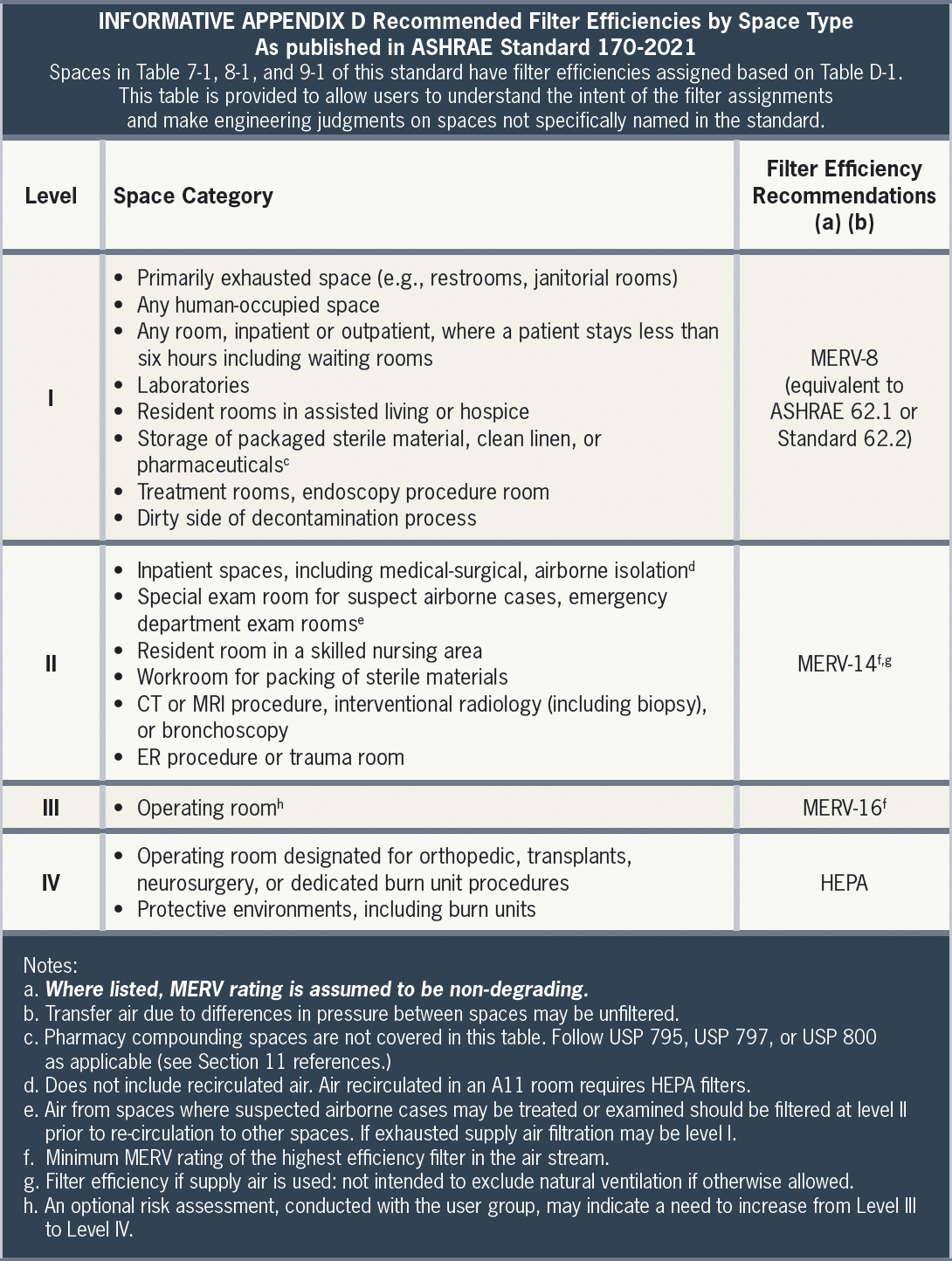
To maintain optimal indoor air quality (IAQ), healthcare facilities adhere to various regulatory and compliance standards. For instance, the ANSI/ASHRAE/ASHE Standard 170-2021 Ventilation of Health Care Facilities provides guidelines for healthcare facility ventilation, including minimum filtration requirements for critical areas. 

To comply with the intent of ASHRAE 170 minimum requirements and ensure safety in healthcare environments, Camfil recommends that facility directors insist on MERV-A values and request that a corresponding test report be supplied with every filter quotation.

Recommended Filter Efficiencies

Similarly, the Centers for Disease Control (CDC) outlines recommendations for environmental infection control, specifying which types of air filters are most effective at removing airborne particles of different sizes.

Adhering to guidelines and best practices for air filtration helps to capture airborne particles efficiently, making the air safer and healthier for both patients and staff.

Key Hospital Zones that Require Filtration

The need for air filtration in a hospital varies based on factors like ventilation quality, room size, occupancy, and the types of medical procedures conducted. Below is a breakdown of air filtration recommendations within different areas of a hospital that can reduce the risk of infection. Filtration efficiency can vary according to the intended use of the space. Some spaces are required to have multiple stages of filtration such as prefilters followed by terminal filter housings. 

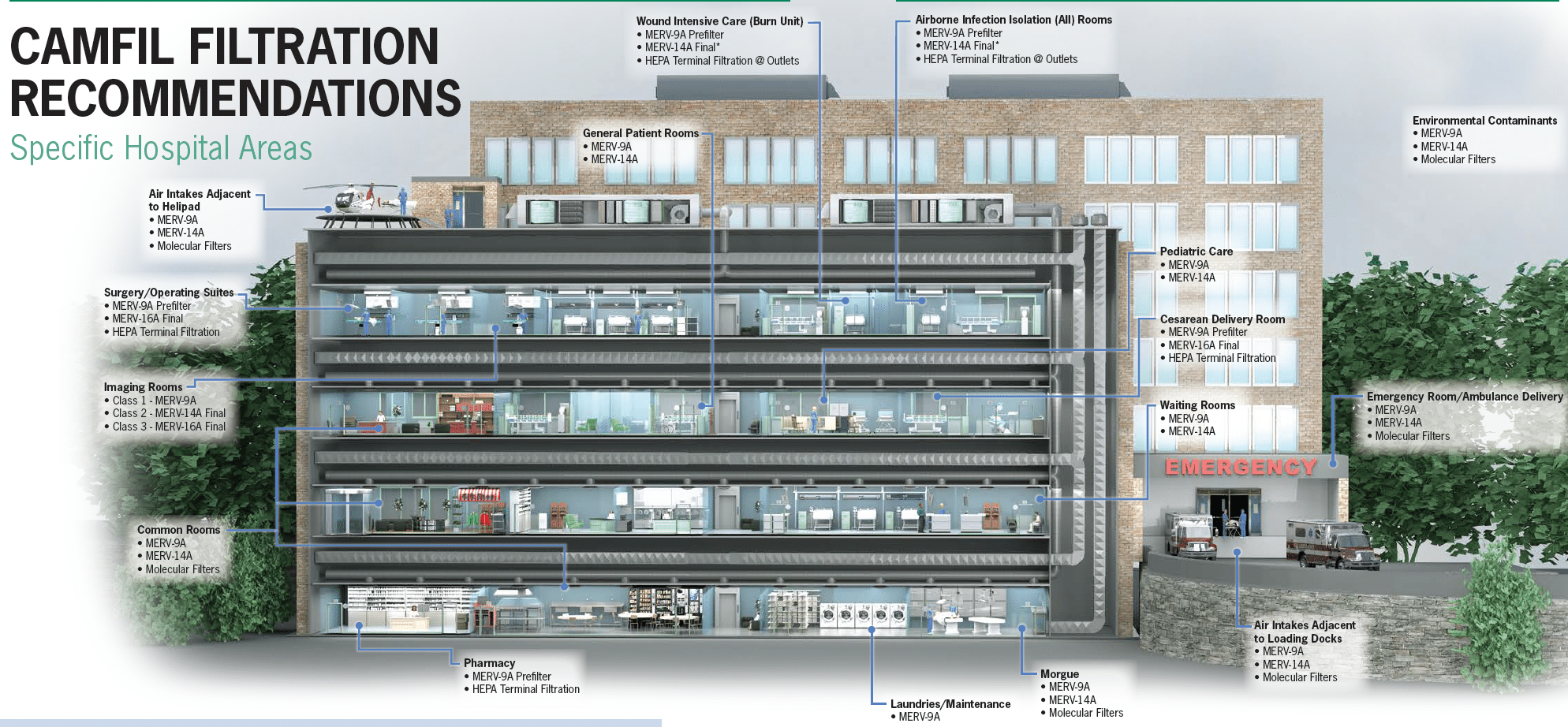
Camfil Filtration Recommendations

Waiting Areas and Outpatient Care

Waiting areas and outpatient care spaces are not classified as critical for infection control, but they are often the first point of contact for individuals with undiagnosed illnesses. Airborne particles from coughs or sneezes can infect others in the room. Therefore, effective air filtration in these areas serves as an initial safeguard for both staff and other visitors.

Operating Rooms

In the operating room, patients are particularly vulnerable to infections, as surgical procedures often expose internal organs. High-efficiency filters  are essential here for maintaining an ultra-clean environment, minimizing infection risks, and ensuring patient safety during surgery.

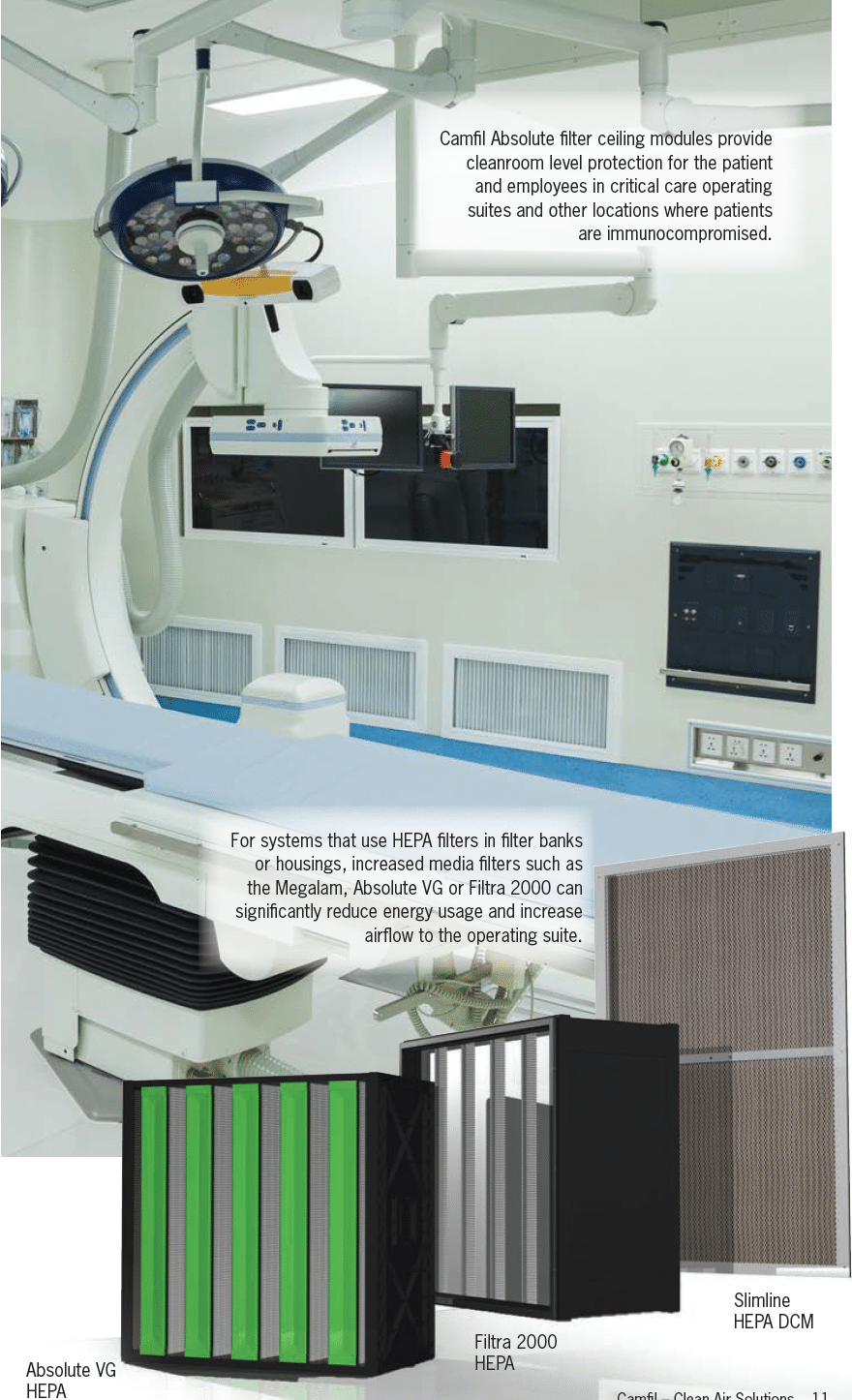
Camfil recommends the following HEPA filters for these areas as well as for discharge air from fume hoods or safety cabinets in which infectious or radioactive materials are processed.

HEPA Filters for Operating Rooms

Nurseries

Newborns and infants are especially susceptible to airborne contaminants due to their underdeveloped immune systems. These areas require  high standards of air purity to protect against potential airborne pathogens that could be lethal to young patients.

Patient Rooms

Rooms where patients are treated in close quarters can harbor infectious pathogens in the air. Factors like room configuration and ventilation impact how long contaminated air can linger before being replaced by clean air. Without effective filtration systems, staff, visitors, and patients risk exposure to airborne infections.

Pharmacies within Medical Facilities

Pharmacies, often located within hospitals, handle drugs, solvents, and chemicals that require a clean environment. Quality air filtration is crucial here to protect pharmacists and nurses from potential hazards associated with processing these substances.

Choosing the Best Air Filters for Healthcare Environments  

Air filters play a crucial role in HVAC systems by capturing a range of particles, including pathogens, dust, and other contaminants, to maintain high indoor air quality. The air filters come in various technologies and efficiencies, each evaluated by a minimum efficiency reporting value (MERV) rating that ranges from 1 to 16 (See chart below). This rating helps to gauge a filter’s effectiveness at trapping particles.

For critical hospital areas, filters with MERV ratings of 14 or higher are usually recommended. These filters excel at capturing extremely fine particles—some as small as 1/300th the diameter of a human hair—helping to prevent the spread of bacteria and infectious diseases.

MERV Rating Average Particle Size Efficiency in Microns
1 – 4 3 to 10 less than 20%
5 3 – 10 less than or equal to 20%
6 3 to 10 less than or equal to 35%
7 3 to 10 less than or equal to 50%
8 1 to 3 less than or equal to 20%

3 to 10 less than or equal to 70%

9 1 – 3 or less than or equal to 35%

3 – 10 less than or equal to 80%

10 1 to 3 less than or equal to 50%

3 to 10 less than or equal to 80%

11 0.3 – 1 less than or equal to 35%

1 to 3 less than or equal to 50%

3 to 10 less than or equal to 80%

12 0.3 – 1 less than or equal to 35%

1 to 3 less than or equal to 80%

3 to 10 less than or equal to 90%

13 0.3 – 1 less than or equal to 50%

1 to 3 less than or equal to 85%

3 to 10 less than or equal to 90%

14 0.3 – 1 less than or equal to 75%

1 to 3 less than or equal to 90%

3 to 10 less than or equal to 95%

15 0.3 – 1 less than or equal to 85%

1 to 3 less than or equal to 90%

3 to 10 less than or equal to 95%

16 0.3 – 1 less than or equal to 95%

1 to 3 less than or equal to 95%

3 to 10 less than or equal to 95%

HEPA 99.97% of particles in the 0.3-micron range
Particles that are larger or smaller than 0.3 microns are captured with a greater than 99.97% efficiency

Innovations in Air Filtration for Medical Facilities

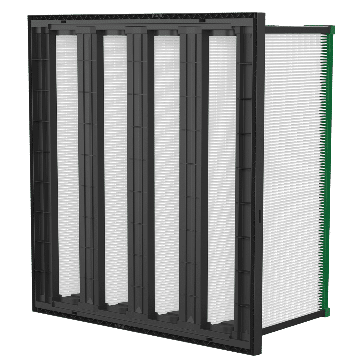
HEPA Filters: High-efficiency particulate air (HEPA) filters are often the go-to choice for medical facilities. Composed of fine fiber pleated material, the filters are rated to remove a minimum of 99.97% of airborne particles as small as 0.3 microns. They are commonly used in operating rooms, patient wards, nurseries, and treatment rooms to protect against airborne pathogens.  HEPA filters are available in a variety of configurations for different uses. Camfil offers HEPA and ULPA air filters for terminal filtration and box-type HEPA filters for use in make-up air or recirculation units.  

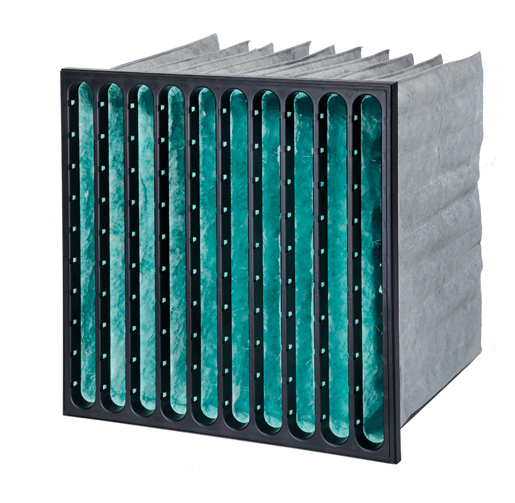
Bag or Pocket Filters: These filters are often used as prefilters for HEPA installations or as high-efficiency standalone filters. They have a high dust-holding capacity and longer lifespan compared to many other filters. They are available in various MERV ratings, including 11, 13, and 15.  For example, Camfil offers a 2-in-1 air bag filter with combination media for particles and molecules that has a MERV 14/14A efficiency rate.  In addition to a high dust-holding capacity, it removes light odors.

City-Flo XL

City-Flo XL

Ultra-Low Particulate Air (ULPA) Filters: These filters outperform HEPA filters, capturing 99.999% of particles down to 0.1 microns. ULPA filters are especially useful in medical labs requiring stringent cleanliness. 

Molecular Air Filters: Also known as chemical or gas-phase filters, these specialized filters remove airborne chemical molecules that are 1,000 to 10,000 times smaller than those captured by HEPA and ULPA filters. They use activated carbon for broad-spectrum volatile organic compound (VOC) removal or alumina for targeted gas removal. In healthcare settings, these filters can eliminate odors from substances like formaldehyde and gases such as hydrogen peroxide used for sterilization. 

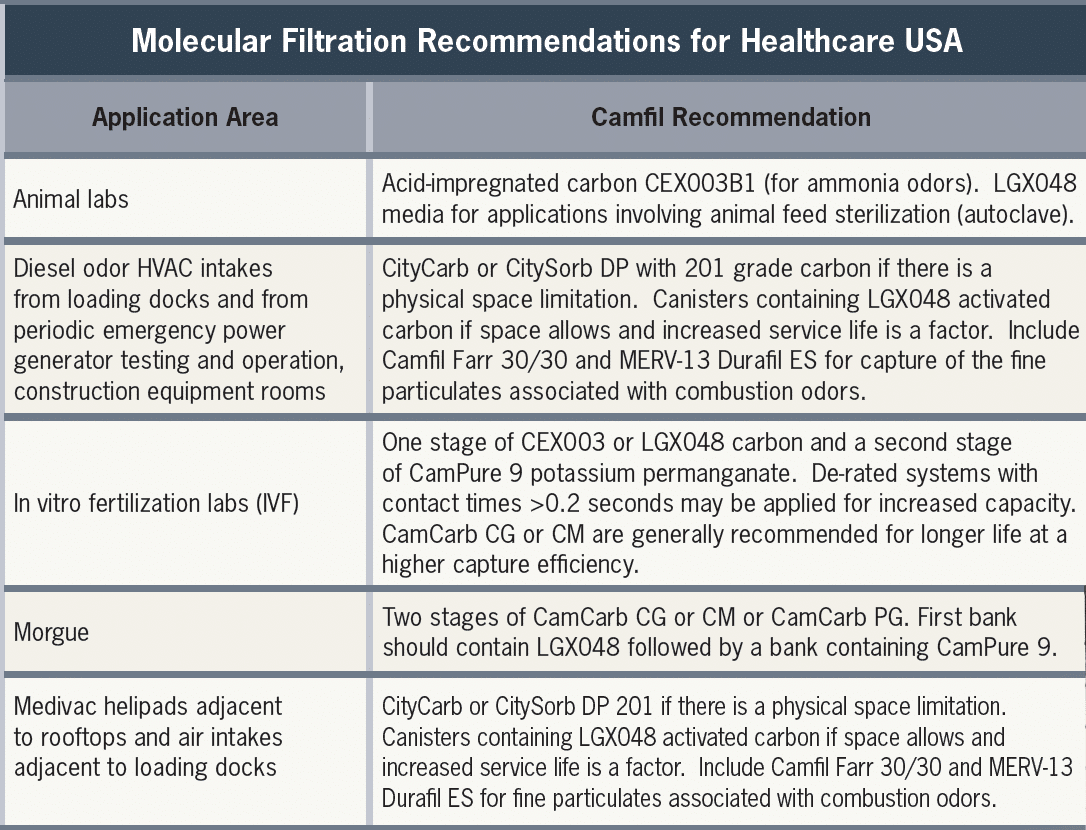
As with all filters, different configurations exist to address specific filtration requirements.  Camfil offers a combination particulate and molecular filter that is effective against VOCs, ozone, NO2, SO2 and organize acid gases.  The chart below outlines some of the areas that best serve healthcare facilities.

This chart shows the molecular air filtration solutions recommended by Camfil that will be effective for removing gaseous contaminants from six specialized areas.

Molecular air filtration solutions recommended by Camfil

The type of air filter best suited for a healthcare facility will depend on its specific needs. Whether it’s HEPA filters for general airborne pathogen control, ULPA filters for lab environments, or molecular filters for chemical and gas removal, choosing the right filter can greatly impact the overall safety and air quality of the facility.

Considerations When Choosing an Air Filter

Ask the following questions when selecting an air filter for a hospital setting:

What Are the Specific Needs of Different Hospital Areas?

Different spaces  in a hospital, such as operating rooms, ICUs, waiting areas, and outpatient centers, have varying filtration requirements. Camfil, a leading manufacturer of premium clean air solutions, recommends using MERV 8A or 9A prefilters and MERV 14A or MERV 16A final filters for  hospitals to effectively remove viruses, bacteria, and other airborne particles. Additionally, HEPA filters offer an extra layer of protection.

Specialized areas like labs, pharmacies, and radiation treatment rooms might require a combination of high-efficiency MERV and  HEPA filters.  Molecular air filters can also be added to remove gases and odors.

How Busy is the Facility?  

The volume of patient traffic can affect air quality. Emergency and waiting rooms in hospitals usually see more traffic than outpatient facilities, which have more predictable schedules and less complex procedures. Therefore, high-traffic areas may require more robust filtration systems.

What Types of Contaminants Need to be Removed?  

Different filters are specialized for capturing specific types of contaminants, whether they are pathogens, microbial agents, or chemical vapors. For example, molecular air filters are effective at removing certain gases that HEPA filters can’t capture. 

Is It Compatible with the HVAC System?  

Choose an air filter that is compatible with the HVAC unit in the specific area. Some standard HVAC systems can’t accommodate HEPA filters due to their higher airflow resistance. Make sure the filter you choose aligns with the size of the space and works efficiently with the existing HVAC system.

Consider Sustainability

Hospitals are becoming more environmentally conscious in their operations.  LEED® (Leadership in Energy and Environment Design) certification, which acknowledges acceptance of green options in building design and operation, has become a goal for new and existing healthcare facilities.  One associated effort is the disposal of waste. Regulations in many areas of the country demand that air filters used in medical facilities must be red-bagged as biohazardous waste. Choosing air filters with low carbon footprints reduce waste and associated cost, while providing hospitals with more sustainable solutions.  

For example, Camfil’s 30/30® Dual 9 30/30® Dual 9,  Durafil® ES  and Megalam® HEPA terminal panel air filters have the lowest carbon footprints in the industry. For many healthcare facilities, the Camfil premium air filters are an effective and simple way to comply with facility-wide initiatives to reduce carbon footprint. During a two-year period, a hospital using Camfil’s 5-Star premium air filters can reduce the number of filters it sends to the landfill by 56%.

Fast Facts about Hospital Filtration

HVAC systems are critical to a hospital’s infection control strategy, helping to maintain a healthy environment across various sections of the facility. Air filtration, a key component of these systems, removes airborne contaminants, enabling the recirculation of clean air.

Understanding Filter Efficiency

Choosing the right filters for your HVAC system depends on understanding their efficiency and function. While a MERV 13-rated filter may be suitable for commercial buildings, healthcare settings generally require higher-efficiency filters with at least a MERV 14 rating. These are designed to capture finer particles, like those released when a person coughs or sneezes. For specialized needs, such as removing gases or odors, molecular air filters are an effective option that HEPA filters can’t address.

The Benefits of Proper Filtration

With the appropriate type or combination of filters, healthcare facilities can significantly enhance indoor air quality. This not only helps to control the spread of diseases but also creates a better environment for patient recovery.

Maintenance Matters

Regular cleaning and replacement of filters are essential for maintaining their effectiveness and ensuring optimal indoor air quality.  Also, ensure that all filter recommendations meet the required MERV standard outline in ASHRAE Standard 52.2-2021. By carefully selecting and maintaining the right filters, hospitals can play a crucial role in safeguarding both patient and staff health.


1 https://bit.ly/46kGjs9

2 https://bit.ly/3t6zgFr

3 https://bit.ly/3ZAClJV

4 https://bit.ly/46oveq2.

5 https://bit.ly/3ZuWdy1

6 https://bit.ly/3PRohsp

7 https://bit.ly/46nsCZO.

8 https://bit.ly/3PObU05

9 https://bit.ly/3Zv0wcz

10 https://bit.ly/3ZrwA1c

The post How Air Filters Improve Indoor Air Quality in Hospitals and Clinics appeared first on Air Filters for Clean Air.


from Air Filters for Clean Air

Sunday, September 10, 2023

Increases in Antibiotic Resistance May Be Related to Air Pollution, According to New Study

Antibiotic resistance is a significant public health threat, leading to an estimated 700,000 premature deaths globally each year. Though this is mostly attributed to the widespread overprescription of antibiotics, other factors contribute to the increasing rates of antimicrobial resistance. 

A study published in the Lancet Planetary Health in August found a potential link between antimicrobial resistance and air pollution, specifically fine particulate matter. In this article, Camfil’s air quality experts explain why antimicrobial resistance is so harmful, and how air pollution may contribute to its rising presence. 

What is Antibiotic Resistance and Why Does It Matter? 

Antibiotic, or anti-microbial, resistance is the process of pathogens (bacteria, fungi, and viruses) becoming less susceptible to the medications and treatments we use against them. Pathogens reproduce quickly, and viruses and bacteria are single-celled organisms, which means that the process of evolution can be observed in extremely short periods of time compared to larger organisms. 

Genetic mutations, most of which happen due to random errors, cause some individual pathogens to develop attributes that may be benign (there is no effect on survival), negative (the pathogen is less likely to survive), or positive (the pathogen is more likely to survive) in relation to different environmental factors, known as selection pressures. Furthermore, all bacteria and viruses and most species of fungi reproduce asexually, meaning that, technically, only one has to survive to form a new colony. As the process repeats, strains of pathogens become stronger and more adapted to the stressors in their environment. 

Antibiotics act as a selection pressure for bacteria, and prescribing or using antibiotics when it isn’t necessary speeds up the process of adaptation. The result of antimicrobial resistance is strains of pathogens that cannot be killed with the medications typically used to do so, which leads to infections and illnesses that cannot be treated. Healthy immune systems may be able to take care of some of these pathogens, while others may be fatal. 

There are many bacterial infections that are easily treatable with antibiotics, but can be fatal or cause permanent damage if left untreated for too long; syphilis, leprosy, and diphtheria are a few examples. While these particular infections were not examined in this study, their effects illustrate how important it is to have effective treatments against bacterial infections in an era where antibiotic resistance is outpacing how quickly new antibiotics can be developed. This is especially important for vulnerable groups, such as children, the elderly, and the immunocompromised. 

Study Links Air Pollution to Antimicrobial Resistance

Researchers used data from 116 countries on antibiotic resistance to specific treatments, totaling 11.5 million samples, as well as air pollution monitoring data collected between 2000 and 2018. They focused on 43 different types of antibiotics and the following pathogens: 

  • Acinetobacter baumannii, a highly-resistant bacteria that frequently causes hospital-acquired infections. 
  • Klebsiella pneumoniae, a bacteria that lives in human gut biomes but can be harmful if released into other parts of the body, causing UTIs, blood infections, and meningitis. 
  • Pseudomonas aeruginosa, a pneumonia-causing bacteria that is responsible for a large number of hospital-acquired infections
  • Staphylococcus aureus, a bacteria that leads to staph infections, which are fatal in between 10% and 30% of cases once the infection enters the bloodstream and account for more deaths in the United States each year than HIV, hepatitis, and tuberculosis combined. 
  • Streptococcus pneumoniae, which causes pneumococcus, a form of community-acquired pneumonia. 
  • Escherichia coli, a bacteria found in the environment, meat products, and the human gut biome; E. coli is the most common cause of UTIs and also commonly causes “stomach flu”-like symptoms
  • Enterobacter aerogenes or E cloacae, which can cause a wide range of bacterial infections including skin, urinary tract, and lung infections. 
  • Enterococcus faecalis, another common gut bacteria that is also used as a probiotic, but can cause infections including endocarditis, which is inflammation of the heart valves and chambers
  • Enterococcus faecium, another common gut bacteria that is often the cause of infections in the prostate gland and abdominal cavity 

The study found statistically significant relationships ranging from moderate to strong between fine particulate matter levels (PM2.5) and antibiotic resistance across the board. Antibiotic resistance was markedly higher in Africa, Asia, and the Middle East than in Europe and North America. 

Each 1% increase in particulate matter led to an increase of between 0.5% and 1.9% in pathogens’ resistance to different antibiotics.

The study also examined a variety of other factors that may be linked to antibiotic resistance (current health expenditure per capita, rainfall, availability of clean drinking water, antibiotic use, rainfall, temperature, completion of primary education, governance, and population density. Researchers concluded that approximately 11% of rises in antibiotic resistance are attributable to air pollution levels, making it the strongest predictor of any of the factors examined. 

However, it is worth noting that the strongest correlations existed between drinking water access, which led to decreased antibiotic resistance, and antibiotic use, which (as researchers expected based on existing literature) led to increased antibiotic resistance. 

Although the study could not establish the reasons why this relationship exists, scientists pose several possibilities: 

  • Air pollution, especially particulate matter, is known to facilitate the spread of pathogens by carrying them further away from their source. In doing so, it may spread resistant bacteria to more people, causing more infections and more reproduction of the resistant strains. 
  • Just as it affects plants, animals, and humans, air pollution affects microorganisms, and has been shown to cause mutations in the DNA of pathogens, thus speeding up the process of evolving toward antibiotic resistance. 
  • Increased exposure to various air pollutants is strongly linked to increases in lung infections; this may trigger more antibiotic prescriptions, thus contributing to antibiotic resistance.   

The Impact of Air Pollution on Illness and the Immune System

The study described above found a relationship between ambient air pollution levels and antibiotic resistance, but exposure mechanisms were unspecified and likely pathogens being exposed to pollutants directly and via infected humans as well as by other routes.

Breathing polluted air has additional effects on the threat of illnesses and infections. Air pollution also affects the body’s ability to fight pathogens, particularly those that affect the respiratory system. Research suggests several mechanisms that could be involved with this effect: 

  • pollutants damage cells, making them more susceptible to harm from pathogens when exposure occurs 
  • particulate matter damages immune organs such as the lymph nodes
  • presence of pollutants redirects immune responses, spreading resources thin
  • long-term exposure to particulate matter has been linked to an increased risk of developing an autoimmune disorder

As discussed above, the effects of air pollution on the immune system and illness outcomes are more severe for at-risk groups (children, the elderly, people with compromised immune systems, and people with existing health conditions). 

Limiting Indoor Exposure to Air Pollution and Airborne Illnesses 

The effects of air pollution on antimicrobial resistance, disease transmission, and immune system function is a continuously developing area of research, and combating these effects will require multifaceted, international efforts. 

While there is little most individuals can do to counter global particulate matter levels, you can protect yourself from harmful pollutants and airborne pathogens with an air purifier. Most Americans spend at least 90% of their time indoors, where the air can be as much as fifty times more polluted than outdoor air due to poor circulation and ventilation, as well as the additional threat of pollutants generated indoors. 

Additionally, airborne pathogens (including the virus that causes COVID-19) are more likely to spread indoors than outdoors. Using the right air filtration technology can prevent experiencing adverse health effects from air pollution as well as capturing airborne pathogens to stop them from spreading.  

To effectively protect yourself against harmful pollutants, consider adding a portable room air purifier that uses both factory-tested and certified HEPA filters (which trap particulate matter, including infected respiratory droplets that spread airborne illnesses) and activated carbon filters (which remove gaseous pollutants such as ozone, sulfur dioxide, nitrogen dioxide, and volatile organic compounds). 

Learn more: Camfil’s Medical-Grade City M Air Purifier

About Camfil Clean Air Solutions

For more than half a century, Camfil has been helping people breathe cleaner air. As a leading manufacturer of premium clean air solutions, we provide commercial and industrial systems for air filtration and air pollution control that improve worker and equipment productivity, minimize energy use, and benefit human health and the environment. We firmly believe that the best solutions for our customers are the best solutions for our planet, too. That’s why every step of the way – from design to delivery and across the product life cycle – we consider the impact of what we do on people and on the world around us. Through a fresh approach to problem-solving, innovative design, precise process control, and a strong customer focus we aim to conserve more, use less and find better ways – so we can all breathe easier.

The Camfil Group is headquartered in Stockholm, Sweden, and has 30​ manufacturing sites, six R&D centers, local sales offices in 35+ countries, and about 5,600 employees and growing. We proudly serve and support customers in a wide variety of industries and in communities across the world. To discover how Camfil USA can help you to protect people, processes and the environment, visit us at www.camfil.us/ 


##

Media Contact: 

Lynne Laake 

Camfil USA Air Filters 

T: 888.599.6620 

E: Lynne.Laake@camfil.com

F: Friend Camfil USA on Facebook

T: Follow Camfil USA on Twitter 

Y: Watch Camfil Videos on YouTube

L: Follow our LinkedIn Page


Sources:

https://www.eurekalert.org/news-releases/840890 

https://www.thelancet.com/journals/lanplh/article/PIIS2542-5196(23)00135-3/fulltext# 

https://www.nature.com/articles/s41591-022-02093-7

https://pubmed.ncbi.nlm.nih.gov/32007522/

https://rmdopen.bmj.com/content/8/1/e002055

The post Increases in Antibiotic Resistance May Be Related to Air Pollution, According to New Study appeared first on Air Filters for Clean Air.


from Air Filters for Clean Air

Tuesday, September 5, 2023

Air Filtration Boosts Productivity and Employee Health in Beverage Operations

According to the International Bottled Water Association,[1] bottled water has become the most popular beverage in America, with its consumption volumes increasing every year since 1997.[2]

Increasing health consciousness among consumers has also led to a rise in demand for organic beverages that are perceived to contribute positively to health. Market analysis by Mordor Intelligence forecasts that the organic drinks market will grow from $47.84 billion in 2023 to a staggering $60.00 billion in 2028.[3]

Many consumers view bottled beverages as a cleaner and safer choice. To ensure product quality and protect their brands, beverage manufacturers must ensure high air quality during production. However, standard heating, ventilation, and air conditioning (HVAC) systems often fail to remove all airborne particles effectively in production areas and other critical parts of a beverage facility.

The problem often lies in having the wrong filters . . . filters that cannot effectively remove contaminants from the air. In such cases, it is crucial to have a dedicated air filtration system with the appropriate filter to prevent possible contamination, safeguard the health of employees, and maintain the quality of the products.

This article will delve into the various types of contaminants, how they impact beverage production, and the critical role that air filtration products play in eliminating them.

Understanding Contaminants in Beverage Production

One of the processing methods that may be used in the beverage industry, depending on the beverage, is aseptic processing. Product is filled into sterilized containers and then hermetically sealed with a sterilized closure. Environments must be free of contaminants that can compromise the quality of the final product. The most harmful air contaminants are:

  1. Dust and Particulate Matter

These tiny airborne particles, like dirt and bacterial spores, can infiltrate open beverage containers during production or settle on the packaged products. The process of packaging finished beverage bottles for shipping can generate dirt particles that must be prevented from migrating to the more sensitive areas of the plant such as the filling areas. This is especially true when cardboard is used in packaging. Furthermore, these particles can interfere with machinery efficiency. Inadequate air filtration often leads to this form of contamination.

  1. Microorganisms and Bacteria

Facilities with poor sanitation or high moisture levels can foster microbial contamination and mold. This form of contamination often stems from poor moisture controls in rooftop air handling units or improper handling of products by workers who are not using protective gear or practicing good hygiene. If airborne bacteria and mold are not eliminated through robust air filtration, beverage purity can be compromised. These biological contaminants pose health risks to humans, including gastrointestinal illnesses and potential lung disease for employees if inhaled.

  1. Volatile Organic Compounds (VOCs)

These compounds, both naturally occurring and synthetic, contain hydrocarbons that can evaporate into the air and dissolve upon contact with water. HPV (hydrogen peroxide vapor) or PAA (peracetic acid) used as production equipment disinfectants are also common concerns.

Exposure to these VOCs can lead to health concerns for workers, including eye and nasal irritations and difficulty in breathing. Effective removal of VOCs from the environment requires air ventilation and molecular filtration that is capable of capturing s these gaseous irritants from the air.

Controlling Airborne Contaminants in Different Stages of Beverage Production

Contamination can occur during beverage production due to poor air quality in critical process areas. To minimize potential hazards to workers, equipment and the end product, bottlers should implement air filtration measures at these vital stages of beverage production.

Fermentation Process

The fermentation of beverages like beer, kombucha and wine involves chemical breakdown by bacteria and yeast. Compressed air introduces oxygen into yeast cultures. Therefore, filtering the process air is essential to produce sterile oxygen that is free of particulates and moisture. This filtration ensures the highest-quality beverages that meet both safety and consumer standards.

Bottling Process

In the beverage industry, aseptic processing and packaging methods require an environment devoid of microorganisms to reduce the risk of contaminating the product. There should be no organisms present during the filling and capping stages of the production lines.

Many facilities use compressed air to drive bottling lines and clean equipment and containers. The intake air must be free of contaminants like particulates and oil mist generated from the compressor. Using air filtration systems can assure the purity of air, especially in direct contact applications.

Air conveyor fans blow empty bottles on overhead tracks from station to station as they are prepared for filling. These fans can force contaminants deep into the empty bottles before filling, so air from these fans must be filtered to reduce this possibility and to improve the sterilization process.

Storage Facilities

Often, finished beverage products are stored in air-conditioned areas to preserve their quality. Even the most efficient air conditioning systems can discharge bacteria into the environment. Air conditioning systems with inadequate filtration can circulate up to 15 million bacteria each hour, compromising product quality.[4]

Using air filtration systems in these facilities can prevent contaminants from settling on goods or being inhaled by workers, thus safeguarding both from harmful effects.

Advantages of High-Quality Air Filters for Beverage Production

The role of air quality in beverage production is critical for several reasons, making it an important component of successful operations.

Maintaining Product Quality and Safety

Poor air quality can produce unwanted results in beverages and cause early product spoilage. Pathogens in the air, VOCs and other contaminants can pose a threat to worker safety. Using effective air filters can mitigate microbiological contaminants during aseptic processes, maintaining product quality and protecting workers’ health.

Compliance with Industry Regulations and Standards

Governments around the world regulate food and beverage production to minimize contamination risks in food and beverage production facilities. For instance, the U.S. Food & Drug Administration (FDA) mandates Current Good Manufacturing Practices for bottled water manufacturers to protect water sources from bacteria, chemicals and other contaminants. The FDA also enforces strict guidelines for aseptic processing and packaging in a microbe-free atmosphere.[5]

Organizations such as IFTPS (Institute for Thermal Processing Specialists) provide education and training for those working in certain critical food processing fields. Furthermore, international standards like ISO 22000 outline the safety requirements for food production.  Air filtration systems play a vital role in enhancing air purity in various beverage production processes, ensuring compliance with clean environment requirements and protocols that enhance worker safety and product quality.

Promoting Energy Efficiency and Cost Savings

Energy-efficient air filters reduce energy consumption, leading to cost savings. When filters perform with lower airflow resistance, the air handling system does not have to work as hard, reducing energy use and related costs.

Improved Airflow and Lower Maintenance Costs

Inferior air filters often need frequent replacements due to failures, which can lead to system contamination, production loss and recurrent maintenance issues, such as continually adjusting line airflows. These failures also incur additional costs in materials and labor.

High-quality air filters optimized for a specific application have a longer service life, so they are replaced less often, reducing labor and waste costs. Because these filters perform optimally, they increase resistance more slowly, eliminating the need to adjust line airflow. The resulting operational efficiency reduces production downtime and losses.

Enhancing Equipment Longevity and Reliability   

Poor air filtration can allow particles to infiltrate equipment, causing wear and tear that leads to reduced efficiency or breakdowns. Uncaptured particulates can clog equipment, restricting the flow of fluids, which decreases performance while increasing energy consumption. By removing airborne particles and chemical impurities from the production environment, the equipment remains reliable for long-term operations, ensuring consistent production.

Boosting Brand Reputation and Consumer Confidence

Effective air filtration prevents contamination during production processes, ensuring the finished product’s consistent taste and quality. Contaminants such as dirt and bacteria can alter or diminish a product’s taste or even cause spoilage. Delivering a consistent product not only enhances customer experience but also strengthens brand reputation.

Types of Air Filters for Beverage Production

Air filters are available in different categories that address specific air filtration requirements.

General Ventilation Filters

These are high-quality and energy-saving general ventilation filters that help protect workers, processes and products from particulate matter. They are used in HVAC applications as the final filter for comfort applications, prefilters in clean process applications, or exhaust air or recirculation systems to protect air handling units. General ventilation filters come in several designs including bag filters, V-shaped header frame filters and pleated panels. Each has its role in different filter stages in the air supply.
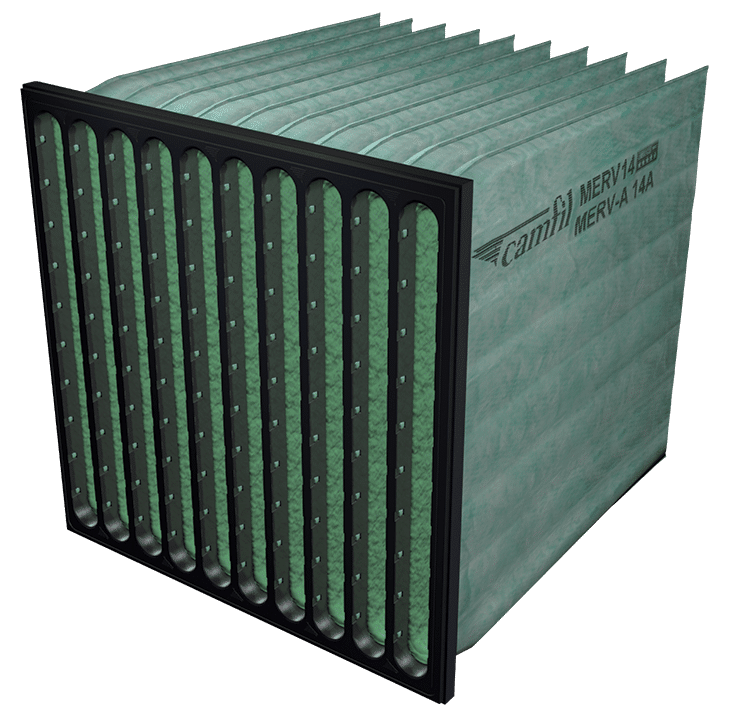
This Camfil Hi-Flo ES bag filter is used in HVAC applications as a high-efficiency filter or as a prefilter in high-efficiency particulate air (HEPA) installations.

High-Temperature Filters

Engineered to protect ultra-clean processes at elevated temperatures, these filters retain their integrity and rated performance at temperatures up to 650 °F (350 °C). They are used in food and beverage operations, as well as in the automotive and pharmaceutical industries, complying with the strict FDA GMP requirements.

High-Efficiency Particulate Air (HEPA) and Ultra-Low Particulate Air (ULPA) Filters

Particles captured by a HEPA ULPA Filter

HEPA and ULPA filters are used in sensitive advanced manufacturing processes to prevent microbiological contamination. These filters are components within air filtration systems or integral components of individual filling and packaging systems, and they work to eliminate microbial contamination in beverage facilities.

Ideal for industries with stringent quality requirements, these filters improve product integrity while minimizing financial risks. There are three major global classification standards for HEPA and ULPA filters. While the test standards differ slightly, the minimum definition of a HEPA filter is generally a filter tested to remove at least 99.97% of particles 0.3-microns or larger, which is about 300 times smaller than a human hair.[6] HEPA filter classification can go as high as 99.995% efficiency. ULPA classification begins where HEPA ends and can go as high as 99.999995% on MPPS, the most penetrating particle size.

Molecular Air Filters
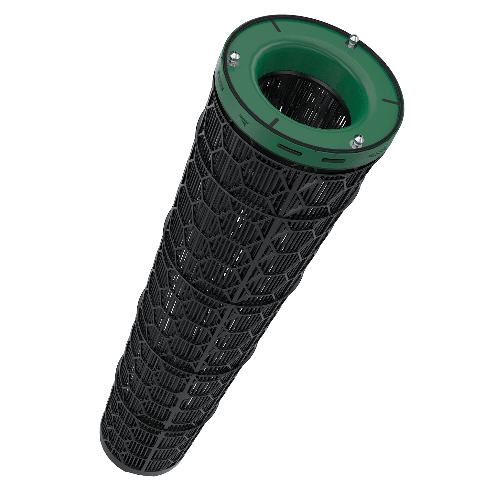
This CamCarb cylindrical molecular filter removes gaseous  contaminants from supply, recirculation and exhaust air applications. The filters can be filled with activated carbon to provide broad-spectrum or impregnated carbon or alumina for targeted adsorption of contaminants such as odors, irritants, and toxic and corrosive gases and vapors.

Airborne VOCs and disinfection product off-gases can pose problems, causing unpleasant odors and adverse health effects such as respiratory illnesses. Besides removing airborne particles, filtration solutions for beverage production environments should also remove these gaseous compounds.

Molecular filters, also known as chemical, carbon or gas-phase filters, eliminate gases and vapors from the air using the process of adsorption. Molecules adhere to or react with adsorbent filter materials with extremely high surface areas.

Molecular air filters use activated carbon for broad-spectrum VOC removal or chemically impregnated carbon or alumina for targeted removal of specific gases. Multiple stages of molecular filters might be necessary to capture different types of gases in the same application.

Selecting the Appropriate Air Filter

Air filters play a crucial role in maintaining clean air across a beverage facility. Here are the suggested filters for various areas.

High-Care Areas

High-care areas need air filters that minimize contamination before it reaches high-hygiene zones, thus protecting equipment. Potential threats in this region may include bacteria, corrosive gases, disinfectants, dust, mold spores, nanoparticles, water droplets and VOCs.
Recommended Air Filters:

  • HEPA and ULPA filters
  • Molecular air filters

Medium-Care Areas

These are usually areas where raw materials are stored, including packaging, warehousing and plant entrances. Potential issues include agricultural contaminants, bacteria, combustion particles, corrosive gases, disinfection and sterilization agents, dust, grease, mold spores, pollen, coarse particles, oil mist and others.

Recommended Air Filters:

  • General ventilation filters
  • HEPA and ULPA filters
  • Molecular air filters

Low-Care Areas

Camfil’s Durafil ES filter is a highly efficient filter available in MERV 11A, 13A, 14A and 16A efficiency ratings.

These areas are outside of production and product handling and prioritize the health of building occupants. Potential issues include offensive

odors, bacteria, allergens, corrosive gases, dust, mold spores, nanoparticles, pollen, viruses, VOCs and water droplets.

Recommended Air Filters:

  • General ventilation filters
  • Molecular air filters

High-Hygiene Areas

During final product processing and packaging, the environment must uphold the highest hygiene levels. Filters should provide the best air

quality by eliminating all contaminants during aseptic filling. Potential concerns include bacteria, combustion particles, mold spores, nanoparticles, coarse particles, pollen and viruses.

Recommended Air Filters
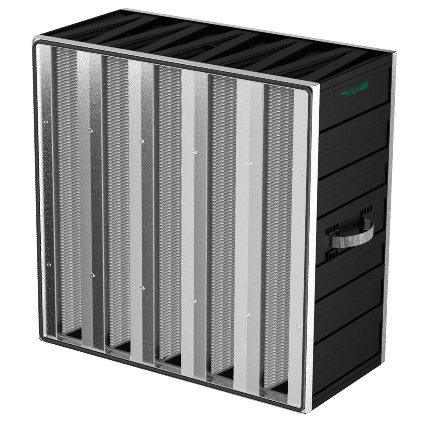
  • HEPA and ULPA filters

This Camfil Absolute VG HEPA  filter provides 99.99% efficiency at 0.3 microns.

The correct specification of an air filtration system can ensure the protection of both processes and personnel in beverage production facilities. The result is improved working conditions and a consistent, high-quality product that elevates the customer experience and enhances brand image.

The air filter choice depends on the specific contaminants of concern and their efficiency in capturing particulate matter or other airborne contaminants over time. Understanding the different types of air filters and MERV ratings is essential to choosing the right filter for a specific air filtration application. As discussed earlier, certain filters are best suited for high-temperature environments or sensitive manufacturing processes, while others are designed to capture airborne particles of specific sizes or various gaseous compounds.

Consulting with an air filtration expert with experience in the beverage industry and knowledge of the latest air filtration technology is the best approach to get an optimum solution. They can conduct an audit of a beverage production facility and outline an air filtration strategy that meets specific requirements.

Investing in air filtration yields dividends in improved personnel health and performance, increased productivity, longer equipment lifespan, reduced waste and downtime, and consistent product output.


[1] Consumer thirst for bottled water is stronger than ever, survey finds, October 11, 2022, International Bottled Water Association, https://www.globenewswire.com/en/news-release/2022/10/11/2531883/0/en/Consumer-thirst-for-bottled-water-is-stronger-than-ever-survey-finds.html.

[2] Bottled Water 2020: Continued Upward Movement U.S. and International Developments and Statistics, JUL/AUG 2021, Bottled Water Reporter, https://bottledwater.org/wp-content/uploads/2021/07/2020BWstats_BMC_pub2021BWR.pdf.

[3] Organic Beverage Market Size & Share Analysis – Growth Trends & Forecasts (2023 – 2028), Mordor Intelligence, https://www.mordorintelligence.com/industry-reports/organic-beverage-market#.

[4] How Ventilation Affects Air Quality at Food Processing Plants, Camfil Air Filters, June 2, 2020, https://cleanair.camfil.us/2020/06/02/ventilation-affects-air-quality-food-processing-plants/.

[5] FDA Regulates the Safety of Bottled Water Beverages Including Flavored Water and Nutrient-Added Water Beverages, September 22, 2018, https://www.fda.gov/food/buy-store-serve-safe-food/fda-regulates-safety-bottled-water-beverages-including-flavored-water-and-nutrient-added-water.

[6] HEPA/ULPA FILTERS, Camfil Air Filters, https://catalog.camfil.us/hepaulpa-filters.html.

The post Air Filtration Boosts Productivity and Employee Health in Beverage Operations appeared first on Air Filters for Clean Air.


from Air Filters for Clean Air

Friday, September 1, 2023

Air Pollution in Chicago Reaches Record Highs This Summer, According to Air Quality Experts

Thirteen Air Pollution Action Days have been issued in Chicago so far in 2023, surpassing the 2012 record of twelve warnings issued that entire year. 

Notably, all of this year’s advisories were issued between May and July, and Chicago’s air quality was the worst in the world at the end of June. Comparatively, there was only one air quality advisory last year, four in 2021, ten in 2020, and zero in 2019. 

Continue reading to learn more about the causes and health effects of the increased pollution in Chicago, and strategies to protect yourself from hazardous pollutants.

Why Is There So Much Pollution in Chicago Right Now? 

There are several factors that are making Chicago’s air quality significantly worse than usual. 

Firstly, smoke carried on the wind from nearly 5000 wildfires burning in Canada has been affecting air quality in Chicago and many other midwestern cities since June. 

Secondly, unusually high temperatures this summer facilitate the formation of ground-level ozone out of other chemicals in the air, such as volatile organic compounds and nitrogen oxides. Sources of chemicals that can react to form ozone include cars, power plants, industrial boilers, refineries, chemical plants, and other pollution sources. 

This effect is further compounded by higher usage of air conditioning in the intense summer heat. Some air conditioning units and systems emit ozone or chemicals that can react with each other to form ozone. 

Learn More: Kansas City Ozone Alert Marks Smoggiest Summer Since 2018

What Kinds of Air Pollution Are Affecting Air Quality in Chicago? 

Wildfire smoke contains a range of gaseous pollutants, such as:

  • ozone
  • sulfur dioxide 
  • nitrogen oxides 
  • carbon monoxide 
  • carbon dioxide
  • volatile organics compounds (VOCs) 

Particulate matter (PM) is another pollutant that can be found in wildfire smoke and linger in the air for days or weeks, depending on the size and chemical composition of the particles. Fine particulate matter (PM2.5) particles have been concerningly high in Chicago this summer; these particles measure under 2.5 micrometers in diameter and pose many health risks to the lungs, heart, brain, and other vital organs due to being small enough to get past the body’s natural defenses against larger particles in the air. 

Related: New Study Highlights Tangible Health and Economic Impacts of Wildfire Smoke Pollution 

Ground-level ozone is a highly reactive molecule that causes tissue damage when inhaled by reacting with the cells of the lungs and respiratory tract. During acute exposure, this causes the muscles of the respiratory system to constrict, trapping air in the alveoli, which makes it more difficult for the lungs to exchange oxygen for carbon dioxide. This restriction results in symptoms such as:

  • Coughing 
  • Sore throats
  • Wheezing
  • Difficulty breathing
  • Pain when breathing deeply
  • Increase susceptibility to infection

Long-term exposure to ozone can result in a lasting reduction in lung capacity as well as reduced immune system function. The effects of ozone on lung health are especially pronounced for the elderly, children, and people with existing respiratory conditions such as asthma and COPD. 

What Should You Do During An Air Quality Warning in Chicago? 

Air quality experts recommend several strategies for keeping your lungs safe during air quality advisories in Chicago:

  • Avoid exercising outdoors. In general, it is best to minimize outdoor time when ambient air pollution reaches unhealthy levels, but outdoor exercise, such as running, cycling, and hiking can make the health effects of air pollution worse because you breathe deeper and more often while exercising. 
  • Minimize use of your car. Driving and related activities such as filling up your gas tank can increase levels of ozone in the air. For this reason, air quality experts and Chicago city officials recommend carpooling, combining errands into one trip, and working from home if possible to minimize use of your car. 
  • Stay indoors in locations with a controlled, filtered air supply if possible. It is important to stay indoors when there are dangerous levels of pollution outdoors, especially when there is visible smog or haze in the air. However, indoor air can be more polluted than outdoor air, and when outdoor air is circulated through a building without being filtered, more pollution is repeatedly introduced into the airstream. 
  • Use factory-tested and certified HEPA and activated carbon filters in your home. To protect yourself from ozone and wildfire smoke in your home, it is important to use air filters to combat both gaseous and particulate pollutants. Factory-tested and certified HEPA filters and highly rated MERV-A filters are effective for removing particulate matter from the air, but cannot target gaseous pollutants such as ozone. Activated carbon filters, on the other hand, are effective against ozone and other gaseous pollutants but cannot capture particulate matter. Because of the limited capacity of most residential HVAC systems, standalone air purifiers such as the CityM by Camfil that use both HEPA and activated carbon filters are often the best option for protecting homes from hazardous pollutants. 
  • Keep an eye on the Air Quality Index to make sure that pollution levels are safe before resuming outdoor exercise and activities. 

About Camfil Clean Air Solutions

For more than half a century, Camfil has been helping people breathe cleaner air. As a leading manufacturer of premium clean air solutions, we provide commercial and industrial systems for air filtration and air pollution control that improve worker and equipment productivity, minimize energy use, and benefit human health and the environment. We firmly believe that the best solutions for our customers are the best solutions for our planet, too. That’s why every step of the way – from design to delivery and across the product life cycle – we consider the impact of what we do on people and on the world around us. Through a fresh approach to problem-solving, innovative design, precise process control, and a strong customer focus we aim to conserve more, use less and find better ways – so we can all breathe easier.

The Camfil Group is headquartered in Stockholm, Sweden, and has 30​ manufacturing sites, six R&D centers, local sales offices in 35+ countries, and about 5,600 employees and growing. We proudly serve and support customers in a wide variety of industries and in communities across the world. To discover how Camfil USA can help you to protect people, processes and the environment, visit us at www.camfil.us/ 

##


Media Contact: 

Lynne Laake 

Camfil USA Air Filters 

T: 888.599.6620 

E: Lynne.Laake@camfil.com

F: Friend Camfil USA on Facebook

T: Follow Camfil USA on Twitter 

Y: Watch Camfil Videos on YouTube

The post Air Pollution in Chicago Reaches Record Highs This Summer, According to Air Quality Experts appeared first on Air Filters for Clean Air.


from Air Filters for Clean Air
Friday, August 25, 2023

How Air Filtration is Ensuring Safety and Quality in Life Sciences

The life sciences sector is instrumental in advancing healthcare quality through the creation of new medicines and tech-advanced medical devices that enhance patient care and outcomes. It is crucial to maintain a clean environment in laboratories, cleanrooms and production areas where new medical devices, vaccines, drugs and other pharmaceutical products are researched and developed. This ensures the protection of critical pharmaceutical processes, equipment, staff and ultimately the final product.  

One key facet of maintaining a clean and healthful environment is ensuring an uncontaminated air supply. According to Food and Drug Administration (FDA) data, contamination was by far the leading cause of medication recalls in the U.S. in 2022 and 2023.1 This statistic highlights the importance of clean air in the life sciences and emphasizes the crucial role of air filtration in preserving the safety and quality of pharmaceutical products.

Most global specialists in the life sciences industry use Camfil HVAC air filtration solutions in cleanrooms, production areas, and laboratories. These solutions help to create and maintain a steady flow of clean air in the process chain. They effectively control contaminants from various sources, addressing air quality issues in different settings, thereby reducing risks for workers and processes, and aiding compliance. Using these products also helps reduce operating expenses by decreasing energy usage and equipment downtime. 

Fundamentals of Air Filtration in Life Sciences Facilities

Air filtration systems are crucial for maintaining facilities that meet high standards of hygiene and air quality. The rooms in the facility are isolated from each other in order to allow for the particle levels in each room to be controlled independently, with no contamination between rooms. Those rooms where cleanliness is critical, since they are closest to where the drugs are manufactured, are referred to as “cleanrooms.” Cleanliness levels are specifically defined by a classification system such as ISO 14644.

In a typical indoor setting, such as an office space, for example, the air might contain over a million particles per cubic foot.2 A typical pharmaceutical cleanroom, by contrast, would allow a maximum of 10,000 particles per cubic foot (ISO 7 classification) or even 100 particles per cubic foot (ISO 5 classification).  

All air entering a cleanroom must be filtered with a HEPA-grade filter immediately prior to entering the cleanroom. Note: A HEPA filter is a particulate air filter and is classified as such under one of three globally recognized test standards: IEST RP-CC001, EN-1822 or ISO29463. This is typically done in ceilings of the cleanroom and is referred to commonly as terminal air filtration. Terminal filters are the last line of filtration, immediately prior to the cleanroom, as shown in the figure below.   

Terminal filters must meet rigorous standards since their quality and performance are critical to the protection of products (pharmaceuticals), people and processes inside the cleanroom. Pharmaceutical manufacturers trust Camfil, more than any other supplier, to manufacture and deliver their terminal HEPA filters.  

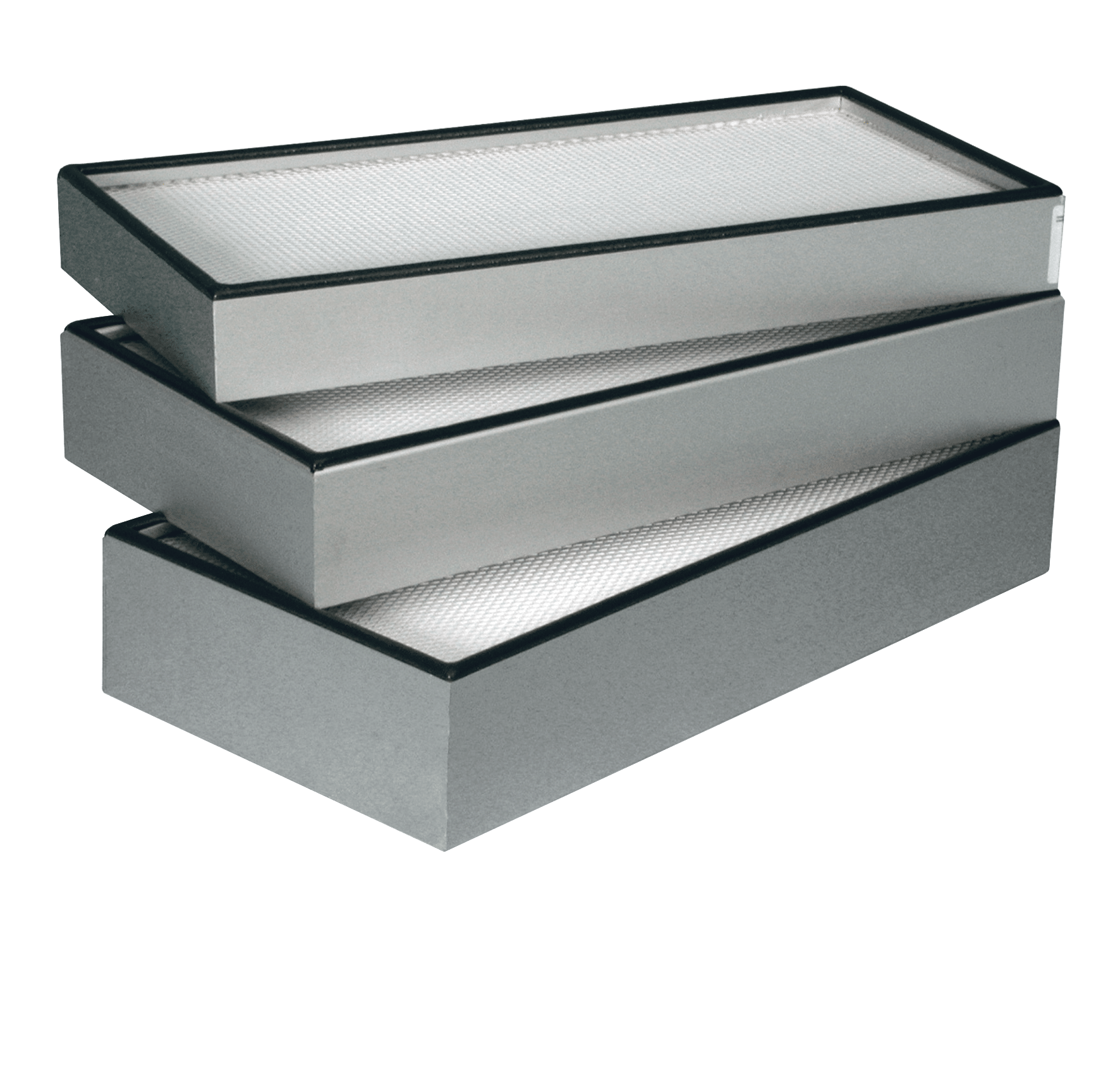
This Camfil Megalam® panel filter is an ideal HEPA/ULPA-level replacement for most cleanroom filters, housings and ceiling modules and grid systems.

Also important are other filter components of the facility’s air filtration system. There are often two or more stages of filtration upstream of terminal filters in the air handling units (AHU). AHU filters are critical to prefilter the air, removing large particles that would otherwise contaminate the HEPA terminal filters prematurely. AHU filters should also be made with minimal resistance to airflow in order to minimize the fan energy consumed by a facility.  

Exhaust filters are typically found near the floor of the cleanroom, filtering the air before it exits the room. The exhaust filters help to direct the flow of air in the room and ensure that potentially harmful substances and organisms are removed from exhausted air. 

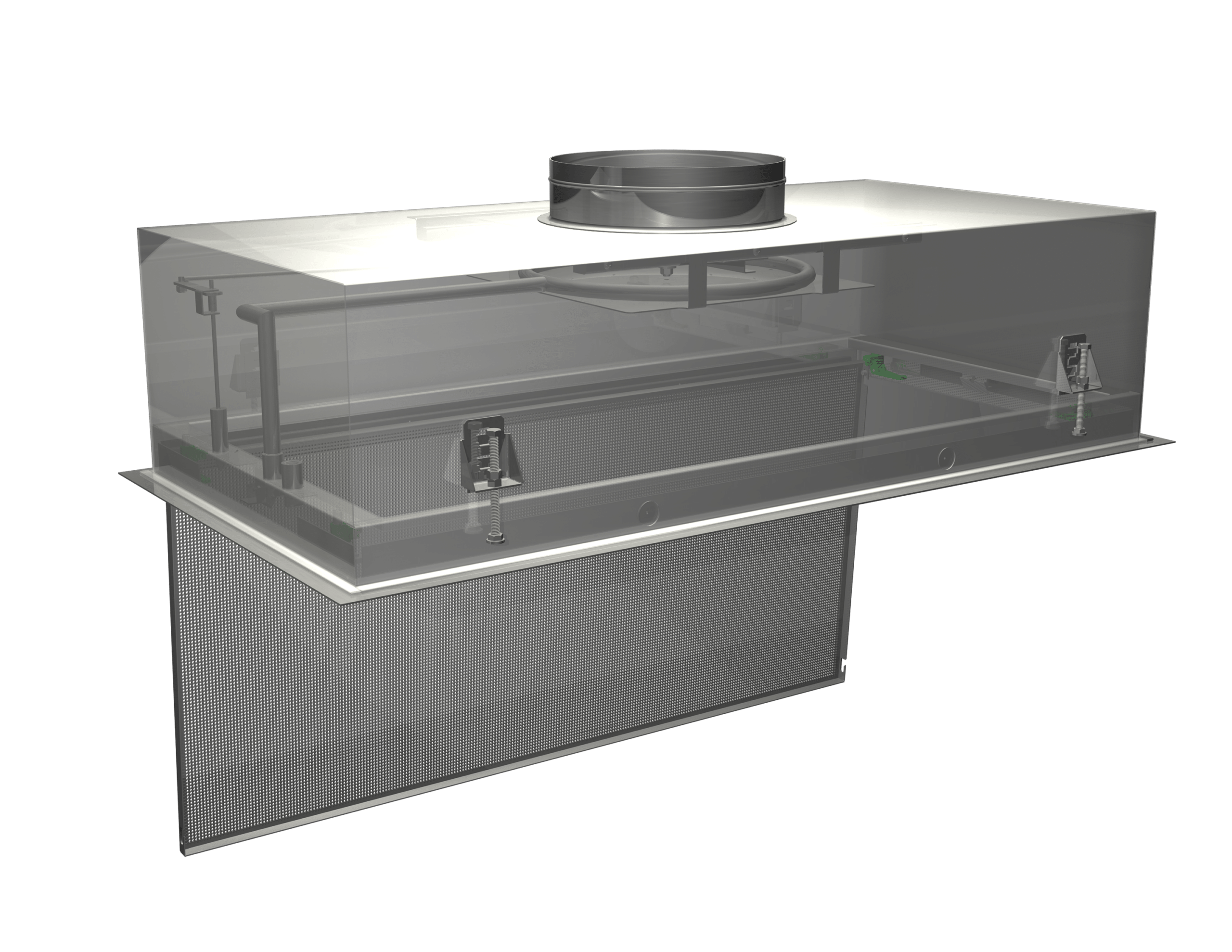
The filters themselves are critical, but the housings that hold the filters are just as critical. Camfil housings are designed to integrate with the facility’s ductwork. They create a leak-free seal in order to ensure air goes through the media of the filter and no foreign material enters the ductwork. Units such as the Camfil PharmaSeal® terminal filter housing (shown below) are offered with customizable product features, as specifically requested by the pharmaceutical industry, such as room-side access for filter changes and filtration efficiency tests.

The Camfil PharmaSeal® terminal filter housing is offered with customizable product features.

Life sciences companies will use other filter technologies and strategies such as source capture devices, dust collectors and molecular (carbon) filters to control airborne contaminants, particulates, dust, odors, gases and pathogens throughout their critical facility areas. When added to existing HVAC systems, suitable filters can safeguard not only individuals, products and processes but also reduce energy usage and ensure compliance with regulatory standards concerning cleanliness levels. By implementing all these strategies, you can reduce the risks posed by airborne contaminants to costly, sensitive equipment, product quality and worker safety.

Different Air Filtration Needs for Different Drug Products and Processes

Pharmaceutical manufacturers often require varying filtration products and methods, depending on their product form and/or specific drug formulation. Some are challenged with the removal of solid dust particles that come from the product they are producing, such as a powder that is pressed into a pill form. Others may be making a liquid drug, supplied in a sterile glass vial, which gets filled inside process equipment on the production floor. Air filtration remains essential in all manufacturing scenarios to uphold a clean environment characterized by superior indoor air quality.

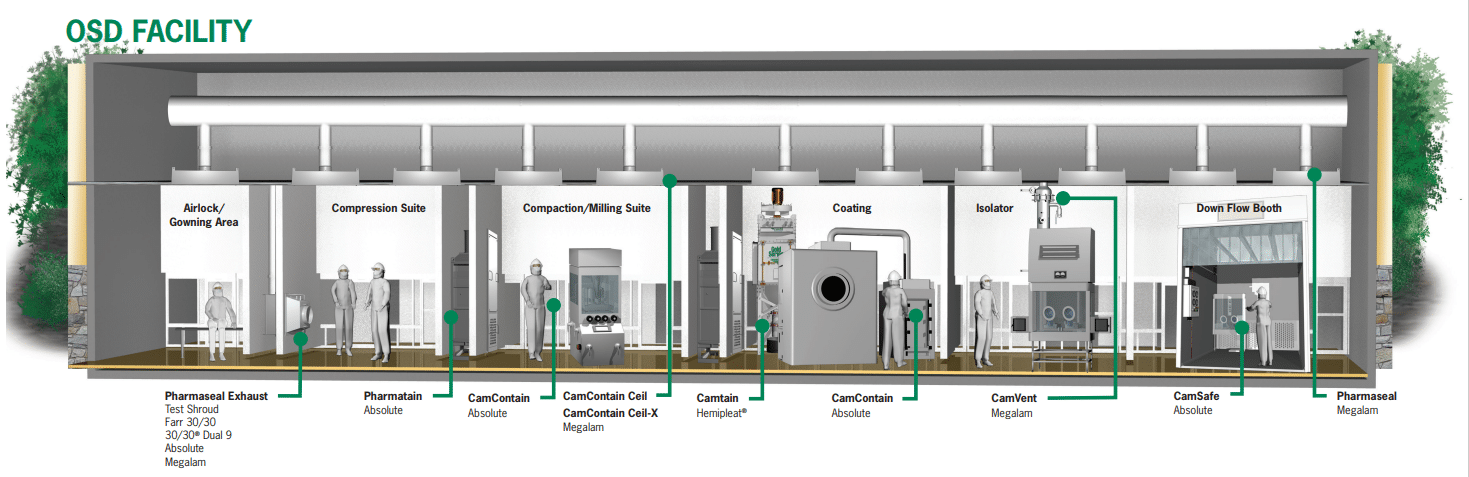
Dust Particle Extraction and OSD Processes

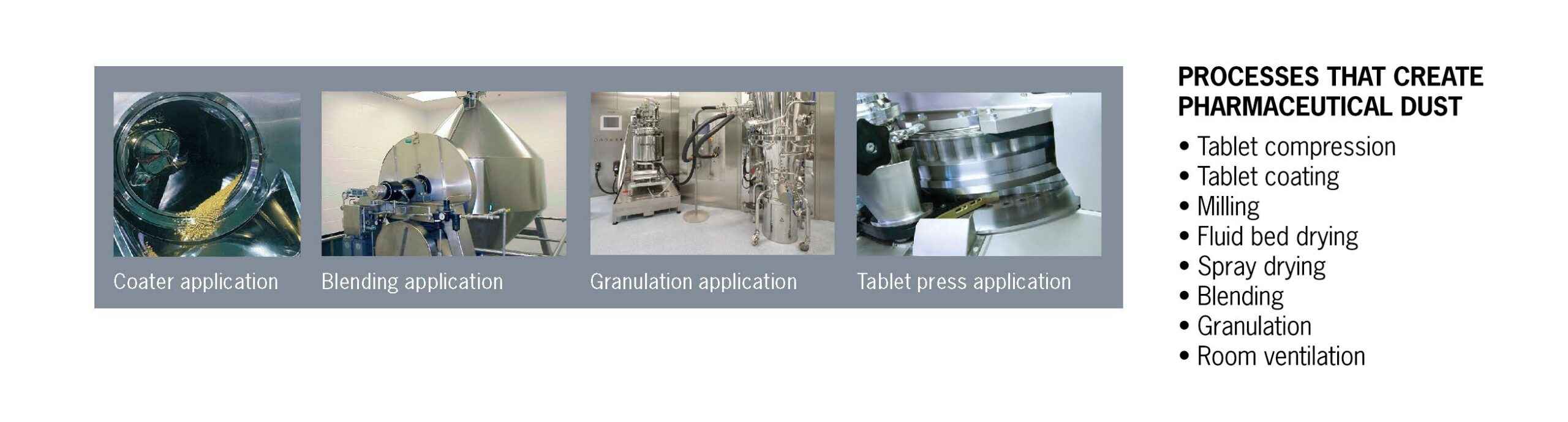
Pharmaceutical processes can generate dust that is potentially hazardous to operations and staff, and in any case will cause process variation if it becomes airborne. Dust collection systems are specifically designed to remove this airborne dust.

During the production and packaging of oral solid dosage (OSD) products like tablets, pills and capsules, dust can be generated from granular ingredients such as powders. Manufacturing and processing active pharmaceutical ingredients (API) often generate very fine, concentrated dust. The presence of very fine pharmaceutical dust is a significant concern because it can threaten worker health as the particles can be inhaled and lodge in the lungs. Furthermore, dust can have explosive properties.

Airborne dust can also cause cross-contamination in pharmaceutical products, interacting with high-potency compounds and APIs, altering their chemistry and quality. In products like injectables, where it is not acceptable to contain any contaminants, dust particles can compromise patient safety.

Pharmaceutical manufacturing environments must adhere to strict air quality specifications outlined by regulations such as ISO 14644-1 and EU GMP Annex 1. Noncompliance can result in hefty fines, product recalls or even facility shutdowns, and any violations can cause significant damage to the brand.

Air filtration in cleanrooms and process dust collection solutions are crucial in ensuring the safety and quality of pharmaceutical manufacturing. They help meet health and safety regulations and enhance throughput by maintaining consistent product quality. As the generic drug market expands, pushing brand drug manufacturers to be more efficient and flexible, filtration systems can help reduce operating costs by lowering energy consumption and equipment downtime.

Camfil provides air filtration solutions for pharmaceutical manufacturing that use cutting-edge HEPA (high-efficiency particulate air) filters suitable for different areas within OSD facilities. Commercial air filters are typically less efficient than HEPA filters, which have a minimum particle capture efficiency of 99.97% on 0.3-micron particles.3

In the wake of global concerns over transmissible diseases, HEPA filters have gained even more significance as they can filter out numerous airborne fungal, bacterial and viral pathogens, including the SARS-CoV-2 virus responsible for COVID-19.

Camfil has HEPA (high-efficiency particulate air) filters suitable for these areas within OSD facilities.

Camfil HVAC solutions for pharmaceutical manufacturing include:

Area Solution
Air handling unit (AHU) for incoming/outdoor air or recirculated air High-end prefiltration for minimizing total cost of ownership and protecting critical areas
Milling, blending, formulating, compression suites and coating areas HEPA filters and housing systems for reliable operations: Pharmaseal®, Pharmaslim® (for terminal air supply) and Pharmatain® (for exhaust air)
Isolator areas,

downflow booths

Megalam® HEPA and push-push filters, custom made for OEM, for work environment protection
Conveying and loading areas CamCleaner air purifier for maintaining a clean, safe warehouse
Administrative offices Quality AHU filtration to ensure employee well-being and productivity


Camfil air filters offer many benefits including:

  • Sustaining product quality by protecting processes from contamination and cross-contamination
  • Reduction of product recalls and liability
  • Protecting environments from potentially harmful air exhaust
  • Protecting workers from interacting with potent compounds
  • Compliance with strict regulations and supporting internal quality operating standards
  • Minimizing operation costs with the most efficient and reliable filter, the heart of the filtration system


Aseptic Drug Processing

The manufacturing process for sterile and/or biologic drugs differs from the process for traditional pharmaceutical products, and consequently air filtration needs also vary. These drugs often come in liquid form, eventually being used as eye drops or injectables. Maintaining a clean and sterile environment remains a top priority.

Biological products differ from chemically synthesized drugs in that they consist of proteins, sugars or a mix of living substances such as cells and tissues. Examples of these biological products include gene therapy, tissues, blood components and somatic cells. Biologics are sensitive to heat and prone to contamination, so they must be sterilized using aseptic processing techniques under the strictest ISO 5 (Class 100) room standards.4

In contrast to sterile manufacturing, which applies heat to the end product to eliminate living microorganisms, aseptic pharmaceutical manufacturing ensures that no contamination is present from the creation of the components through to the packaging process. Aseptic processing is particularly useful when drugs cannot endure the heat cycles of terminal sterilization, which sterilizes a product in its final packaging form.5

Air filtration in aseptic manufacturing requires environments be filtered to achieve high air quality that is free from contaminants and bioburden. Camfil offers air filtration solutions for aseptic processing facilities in several different areas of the facility and stages of the process. 

Medical Devices Manufacturing

Manufacturing medical devices also requires stringent cleanliness standards. Cleanrooms must comply with regulations for aseptic or controlled environments. Devices not terminally sterilized are manufactured in an aseptic environment that adheres to ISO 5 cleanroom standards.6 Devices that are terminally sterilized, meaning they are sealed in a package after sterilization, typically require an ISO 7 or 8 cleanroom environment. 

Area Solution
Air handling unit (AHU) for 

incoming outdoor air or recirculated air

High-end prefiltration for minimizing total cost of ownership and protecting critical areas
Cleanrooms, wash and prep Efficient HEPA filters and housing systems for reliable operations– 
Pharmaseal®, Pharmaslim® (for terminal air supply) and Pharmatain® (for exhaust air)
Depyrogenation tunnels and sterile preparation rooms Absolute D-Pyro, the most efficient high-temperature filter on the market
Aseptic filling, mini-environments like restricted access barrier systems (RABS) and isolators  Megalam® HEPA filters and push-push filters for work environment protection, custom made to fit OEM equipment
Packing areas CamCleaner air purifiers for maintaining a clean, safe warehouse


Aseptic sections of the cleanrooms ensure minimal presence of microorganisms from the design to development stages by maintaining the highest possible sterility throughout the facility.

Camfil air filtration solutions for aseptic environments provide:

  • Shielding of products from contamination and cross-contamination, ensuring product quality 
  • Reduction of product rejects and associated liabilities 
  • Prevention of accidental contact of employees with biological matter 
  • Protection of the environment by upholding appropriate biosafety levels 
  • Compliance with stringent environmental and workplace regulations 
  • Cost savings in pharmaceutical manufacturing through energy-efficient filter performance 
  • Easy and safe filter changes, causing minimal disruption to operations and eliminating risk of contamination

Molecular Air Filtration

Pharmaceutical products often use potent flavoring additives and hydrogen disulfide process gases, which can generate strong or unpleasant odors even at low concentrations. Some of these gases can harm a worker’s respiratory system. The smallest molecular pollutants can evade even the most effective HEPA and ULPA particle filters since gas molecules can be at least one thousand times smaller than dust particles.7

Camfil molecular air filters are designed to remove gases and vapors from the air using a technique called adsorption. These filters are sometimes referred to as chemical filters or gas-phase filters. The active ingredient in almost all Camfil molecular filters is either activated carbon or activated alumina.

Camfil offers a range of molecular filters, tailored to various process and application needs (see below). Sometimes, multiple stages of molecular filters are needed to capture different kinds of molecules within the same application. The selection of filters primarily depends on the types and concentrations of gases and the intended lifespan of the system. Many of these filters are used to supplement HVAC systems. 

Camfil Molecular Filter Products

Concentrations Solution
Low concentrations of gases Pleated, embedded media filters: CityPleat, CityCarb, CitySorb
Moderate concentrations of gases  Thin bed loose-fill media filters: CamCarb CG cylinders, PG panels or VG modules 
–Available in GlidePack® housings
–Available in CamCleaner air purifiers and air cleaners
Heavy concentrations of gases Deep bed loose-fill filters: ProCarb deep bed scrubbers


Camfil has the industry experience and knowledge to help pharmaceutical plants maximize worker safety, meet emissions limits, maintain compliance and maximize efficiency and profitability.


Advantages of Camfil Air Filtration Solutions

Camfil aids the life sciences industry by developing high-efficiency air filtration solutions suitable for cleanrooms, production areas and laboratories. These solutions support the cost-effective and sterile production of pharmaceutical and medical products that adhere to international standards. Camfil’s high-efficiency prefiltration, HEPA filters and air filter housings ensure the highest level of purity by protecting sensitive equipment, processes and staff from airborne contaminants.

Camfil air filtration solutions assist pharmaceutical, biologic and medical device companies in meeting standard operating procedures and complying with the strictest regulations. As technology progresses within the life sciences, Camfil ensures dynamic and efficient air filtration for quality assurance.

Without air filters, pharmaceutical companies and device manufacturers would not be able to safely produce medical devices, vaccines, gene therapies, highly potent drugs and other crucial pharmaceutical and science products.

As companies in the life sciences sector seek ways to cut production-related costs, Camfil cleanroom air filtration and dust collection solutions help companies produce high-quality pharmaceutical products that comply with regulations.

The choice of filtration system hinges on the nature and size of airborne contaminants, as well as the process to manufacture the end product. Camfil can provide guidance on specific applications and requirements, whether it involves new drug development or a necessary process upgrade. Simply upgrading to a more efficient air filter can result in cleaner air and reduced energy costs.

#####

1Pharmaceutical Processing World (2023, April) https://www.pharmaceuticalprocessingworld.com/drug-recalls-2022-2023-contamination-sterility-concerns/ 

2Cleanroom Classifications, (2021, May) https://sicweb.com/blog/93-cleanroom-classifications#:~:text=A%20typical%20indoor%20air%20sample%20may%20contain%20anywhere,see%20objects%20less%20than%2050%20microns%20in%20size.

3What is a HEPA filter, United States Environmental Protection Agency, What is a HEPA filter? | US EPA

4Understanding the Basics of Sterile Manufacturing, Renaissance, (2022, August) Understanding the Basics of Sterile Manufacturing – Renaissance (renpharm.com)

5The current state of aseptic processing and fill-finish manufacturing, CRB, https://www.crbgroup.com/insights/pharmaceuticals/aseptic-processing 

6Cleanrooms for Medical Device Manufacturing, Instant Cleanroom Solutions, https://www.cleanroomsolutions.com/industries/medical-device-manufacturing#:~:text=Cleanrooms%20are%20used%20in%20the%20medical%20device%20manufacturing,sterilization%2C%20and%20quality%20control%20testing%20of%20medical%20devices. 

7Molecular Filters, Camfil HVAC, Molecular filters | Camfil

The post How Air Filtration is Ensuring Safety and Quality in Life Sciences appeared first on Air Filters for Clean Air.


from Air Filters for Clean Air